Amphibious Equipment Resources

Find the Right Equipment for Wetland and Remote Access Work

Working in marsh, swamp, and soft-ground environments requires equipment that can handle unstable terrain, water crossings, and limited access. Choosing the right machine is not always straightforward, especially when multiple equipment types can solve similar problems in different ways.

This resource hub is designed to help you explore the most common types of amphibious excavators, carriers, and swamp equipment used across industries like oil and gas, utilities, environmental services, and infrastructure work. Each section below breaks down a specific category of equipment so you can better understand what fits your application.

Equipment Guide

Explore Amphibious Equipment Types

Each section below covers a specific category of equipment used in marsh, swamp, and soft-ground environments. Select a type to learn more about how it works and what applications it fits.

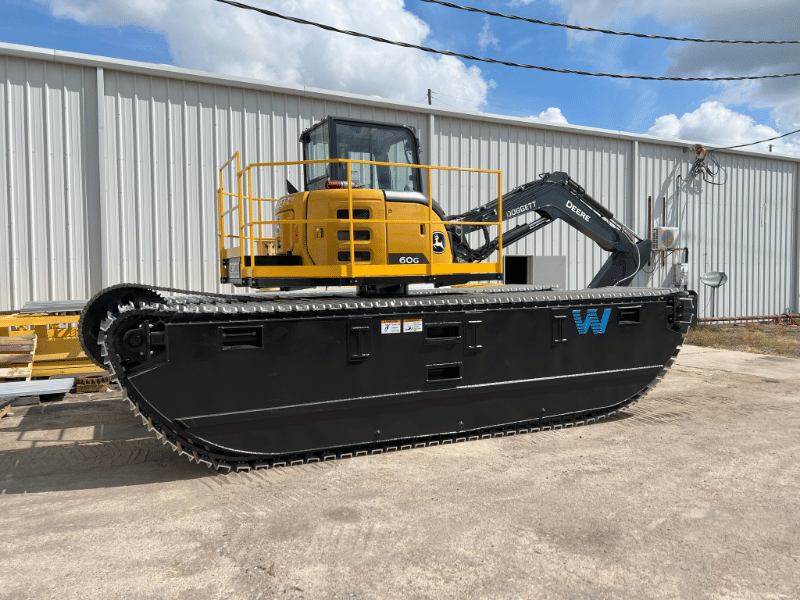
Floating Excavators

Designed to operate directly on water and saturated ground, providing stability and reach in areas where standard excavators cannot function.

Marsh Buggies

One of the most widely used platforms for wetland work, offering a balance of flotation, stability, and excavation capability.

Swamp Buggies

Built for mobility across soft and flooded terrain, allowing operators to transport equipment, access remote areas, and support jobsite operations.

Mini Swamp Buggies

Similar functionality in a smaller footprint, making them ideal for tighter access areas or lighter-duty applications.

Amphibious Equipment

A broader range of swamp and wetland equipment used for excavation, transport, and specialized field work across different environments.

Mini Excavators for Wetland Use

Mini excavators adapted for soft-ground conditions provide flexibility for smaller projects where larger amphibious machines are not required.

Selection Guide

How to Choose the Right Equipment

Selecting the right amphibious equipment depends on several key factors:

  • Ground conditions: marsh, mud, water depth, and stability
  • Type of work: excavation, transport, maintenance, or restoration
  • Required reach, payload, and capacity
  • Access limitations and jobsite layout

In many cases, multiple equipment types can complete the same job, but with different levels of efficiency, cost, and complexity. Understanding these differences is critical to making the right decision.
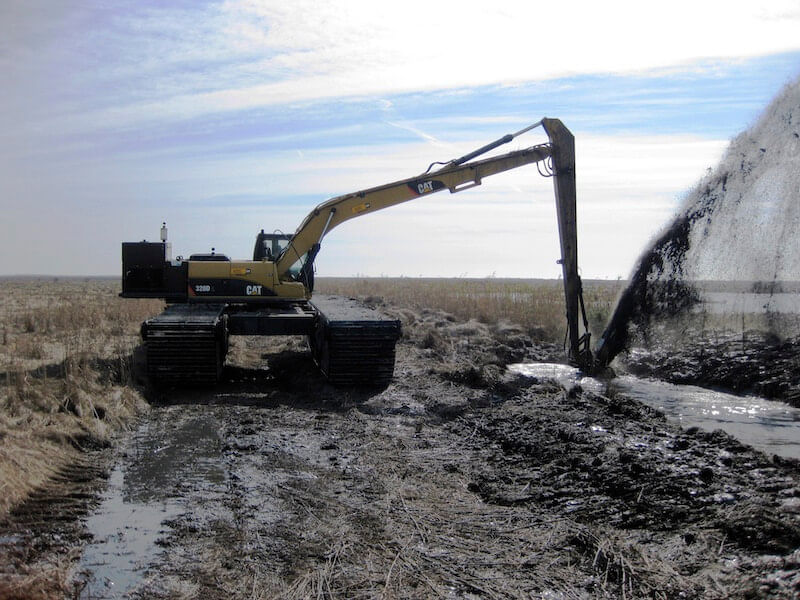
Built for Real-World Applications

The equipment covered in this resource section is used across a wide range of industries, including:

  • Oil and gas and pipeline access
  • Utility and infrastructure work
  • Environmental and wetland restoration
  • Flood response and emergency operations
  • Remote site access and maintenance

Each application presents different challenges, which is why equipment selection should always be based on real operating conditions rather than general specifications.

Built for Real-World Applications

The equipment covered in this section is used across a wide range of industries. Equipment selection should always be based on real operating conditions rather than general specifications, including oil and gas pipeline access, utility corridor maintenance, and infrastructure work across soft-ground terrain.

Environmental and Restoration Work

Wetland restoration, habitat management, and environmental remediation projects rely on low-impact amphibious equipment. Proper machine selection minimizes ground disturbance and supports compliance with environmental permits.

Flood Response and Remote Site Access

Swamp buggies and amphibious carriers are deployed for flood response, emergency operations, and remote site maintenance where roads are impassable. Each application presents different challenges based on terrain and urgency.

Looking for Fat Truck Resources?

Get Help Choosing the Right Equipment

If you are not sure which type of equipment fits your project, Wetland Equipment can help guide you based on your terrain, application, and operational goals.