

Fat Truck Amphibious
Vehicles for Real Work
We'll Get You There
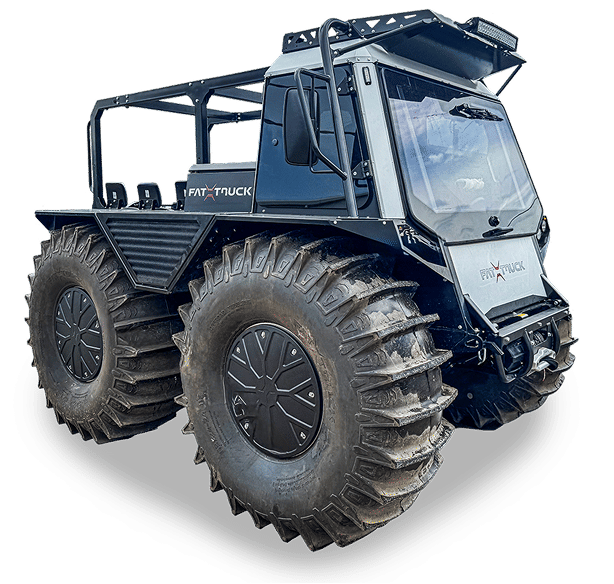
Fat Truck is a wheeled amphibious vehicle platform designed to operate in terrain where traditional equipment fails. From wetlands and marshes to remote job sites, these vehicles are built to transport crews, carry equipment, and perform real work in extreme conditions.
Built for Real-World Applications
Fat Truck vehicles are designed to do more than access terrain. They are configured to perform work directly in the field, helping crews move through soft ground, shallow water, mud, snow, marsh, and rugged off-road environments without depending on several different machines to reach the same site.
Common applications include:
Vegetation management and land clearing
Spraying and environmental treatment
Fire suppression and emergency response
Utility and infrastructure support
Oil and gas operations
Remote transport and logistics
Configurable for the Job
A key differentiator of Fat Truck is its ability to be equipped with specialized attachments. Instead of serving only as a crew transport vehicle, a Fat Truck can be configured around the actual work your team needs to complete in the field.
Custom options we offer:
Mowers and brush cutters
Herbicide and spraying systems
Fire suppression tanks and pumps
Crane and lifting systems
Amphibious trailers for hauling
40’ aerial lift
This allows operators to perform work directly in terrain that would otherwise be inaccessible.
Fat Truck Comparisons
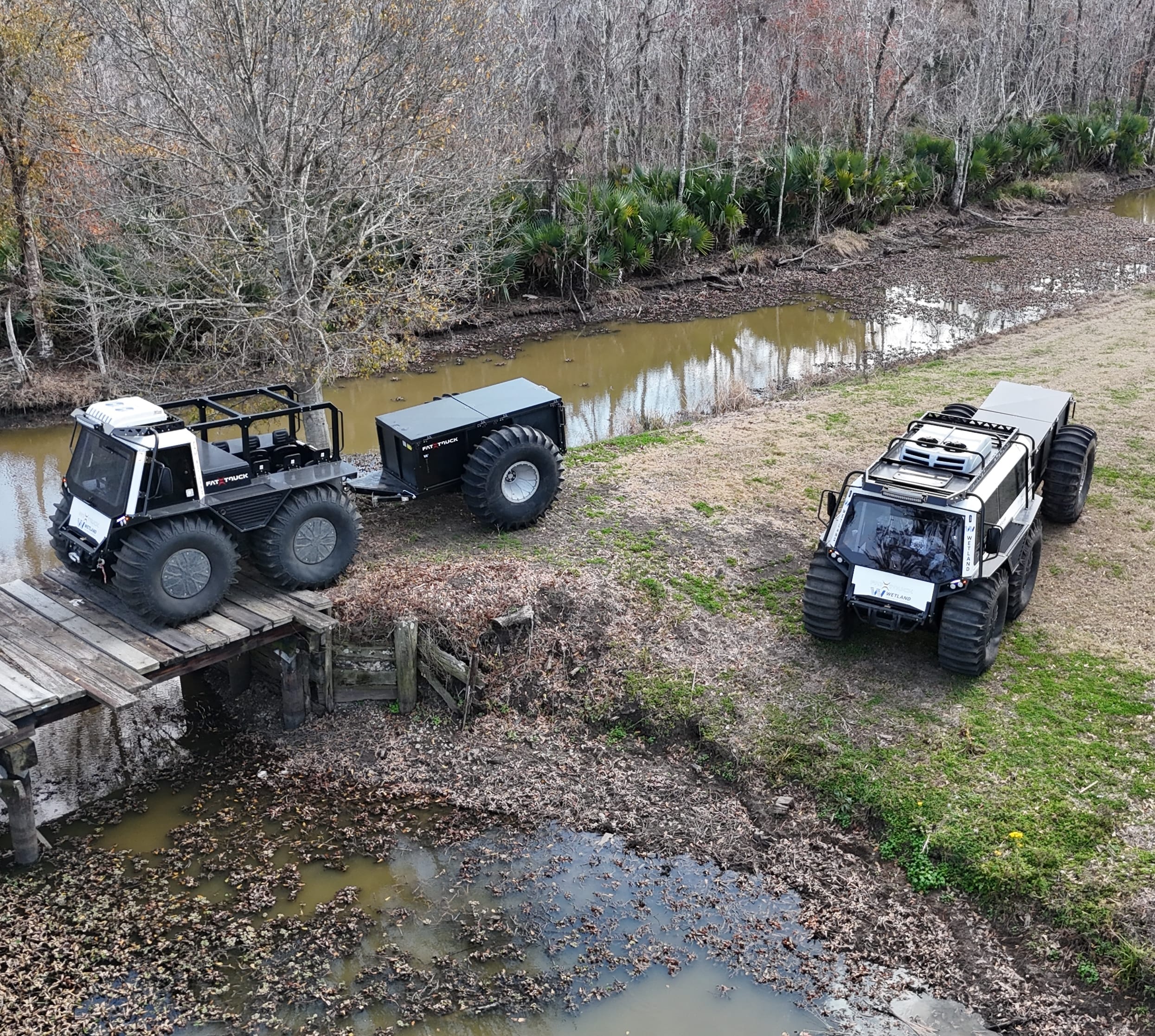
Fat Truck Amphibious Trailer
For jobs that require additional hauling capacity, Fat Truck can also be paired with an amphibious trailer. This gives crews a way to move tools, materials, gear, fuel, supplies, or job-specific equipment through the same difficult terrain as the vehicle itself, including soft ground, marsh, mud, snow, and shallow water.
The amphibious trailer is especially useful for utility work, environmental projects, spraying support, fire suppression setups, remote logistics, and jobs where one trip with more equipment is more efficient than sending multiple machines into the field.
How to Choose Your Model

FT2
The FT2 is the right fit when your work calls for lighter access, smaller crews, tighter routes, and targeted field tasks. It gives operators amphibious performance in a smaller platform, making it a practical choice for projects that need reliable access without stepping up to a larger vehicle.
FT3
The FT3 is the workhorse of the lineup, offering a strong balance of payload, passenger capacity, speed, and configuration flexibility. With pickup and wagon options available, it can support crew transport, equipment hauling, attachment-based work, utility access, and environmental operations across a wide range of job sites.
FT5
The FT5 is built for heavy hauling, large crews, and large-scale jobs where capacity matters. With wagon and hauler configurations available, the FT5 is ideal for demanding projects that require more passengers, more material movement, larger attachments, or extended support in difficult terrain.
Explore Fat Truck Models
Fat Truck models are built around the realities of remote work. Whether your team needs a compact amphibious vehicle for targeted access, a versatile platform for crew transport and attachments, or a larger machine for heavy hauling, Wetland Equipment can help match the right model to the job.
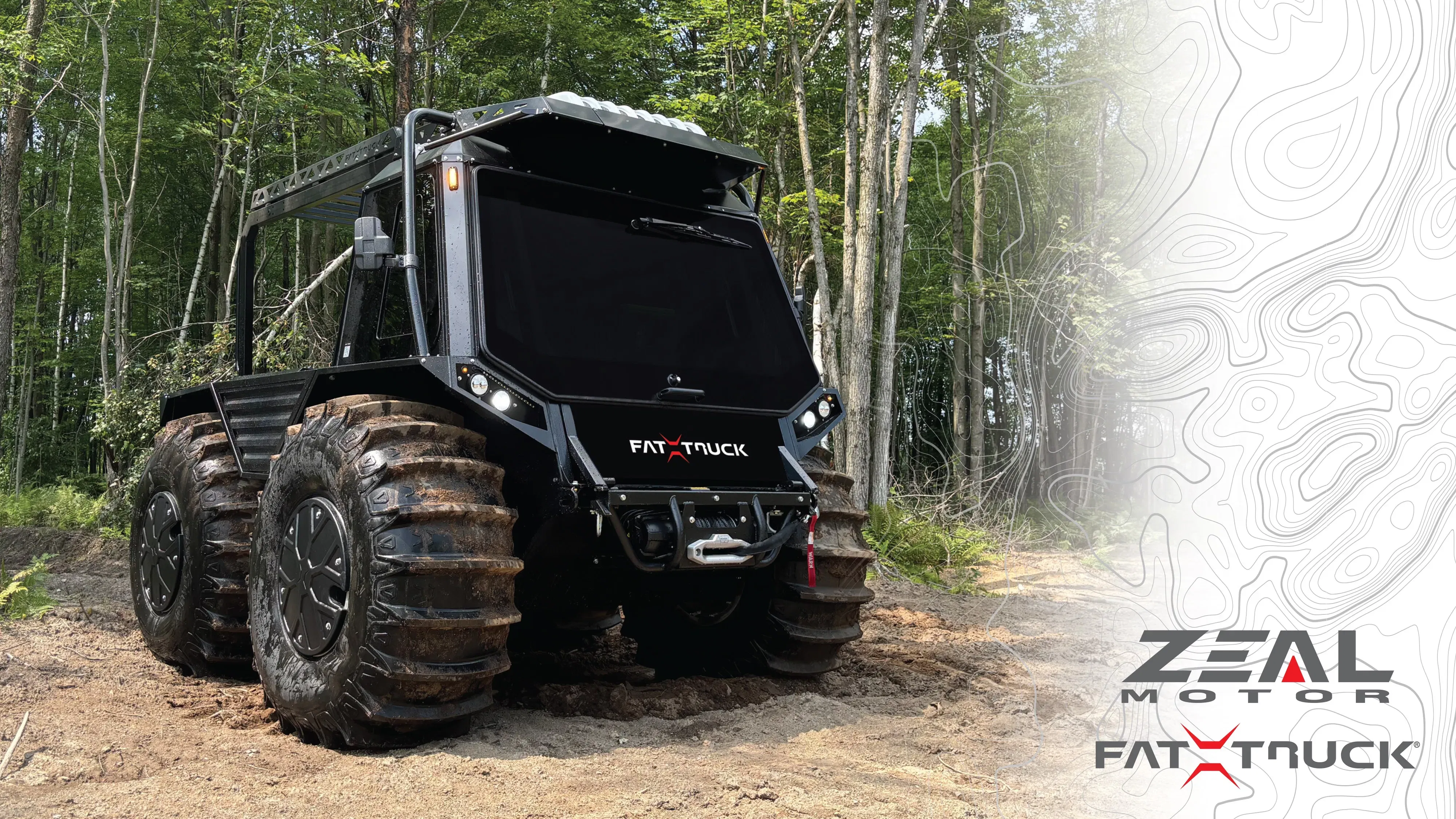
The FT2 Pickup is a smaller amphibious platform designed for crews that need dependable access through soft ground, mud, snow, marsh, and shallow water. It is especially useful for tighter routes, smaller crews, and projects that need a capable machine without the footprint of a larger model.
Quick specs:
- Payload: 2,000 lbs on land, 1,500 lbs on water
- Crew capacity: 2 passengers in the main cabin and 2 passengers in the rear open bed
- Ground pressure: 2.0 psi fully loaded
- Speed: 20 mph on land and 3.1 mph on water
- Cab: Enclosed main cabin with heat and A/C
Ideal use cases:
- Tight-access wetlands
- Small crew transport
- Targeted spraying
- Light hauling
- Vegetation management
- Survey support
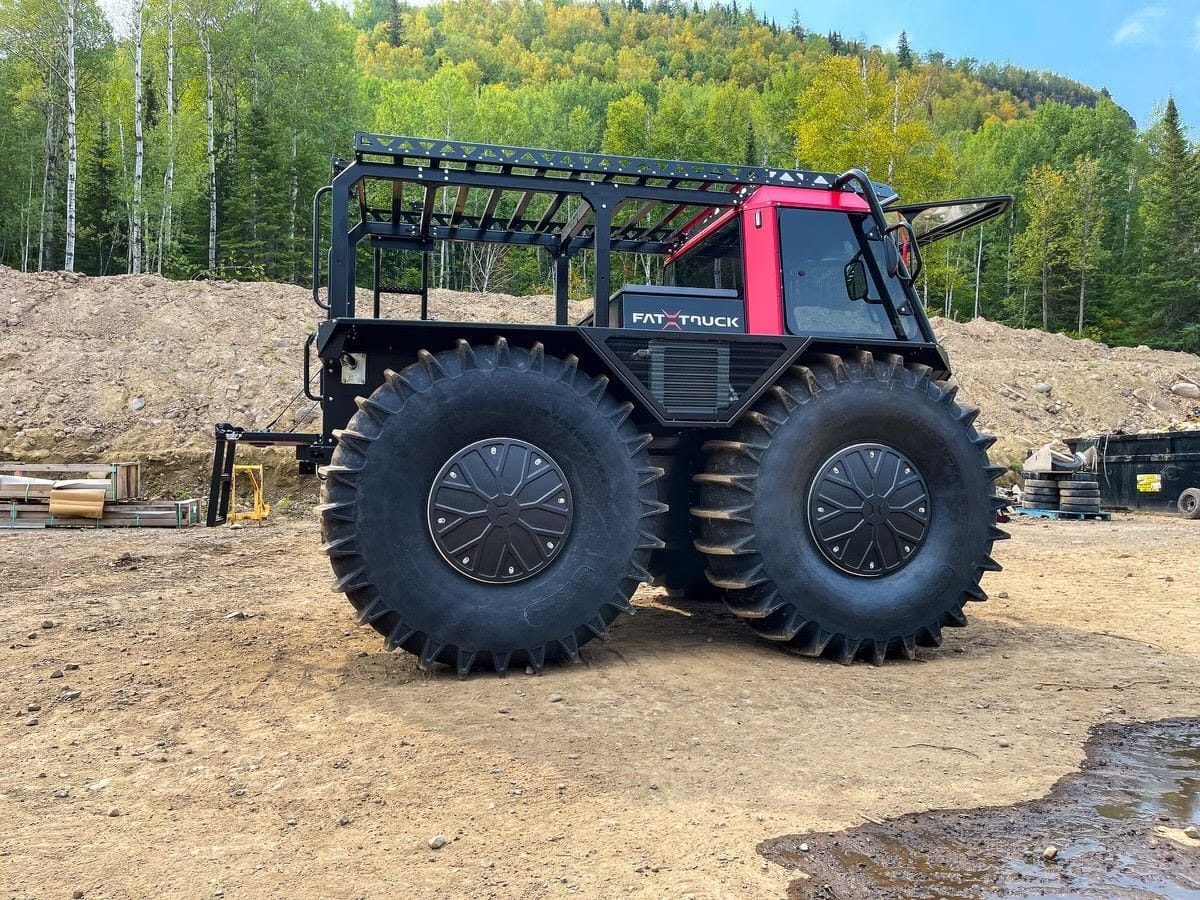
The FT3 Pickup gives crews more payload and seating flexibility while keeping the open-bed utility needed for field work. It is a strong choice for teams that need to move people, tools, and job-specific equipment across difficult ground without switching between multiple transport methods.
Quick specs:
- Payload: 3,000 lbs on land, 2,200 lbs on water
- Crew capacity: 2 passengers in the main cabin and 6 to 8 passengers in rear seating, depending on configuration
- Ground pressure: 1.6 psi fully loaded
- Speed: 25 mph on land and 3.1 mph on water
- Cab: Enclosed main cabin with heat and A/C
Ideal use cases:
- Utility and infrastructure support
- Oil and gas operations
- ROW access
- Equipment transport
- Environmental treatment
- Remote logistics
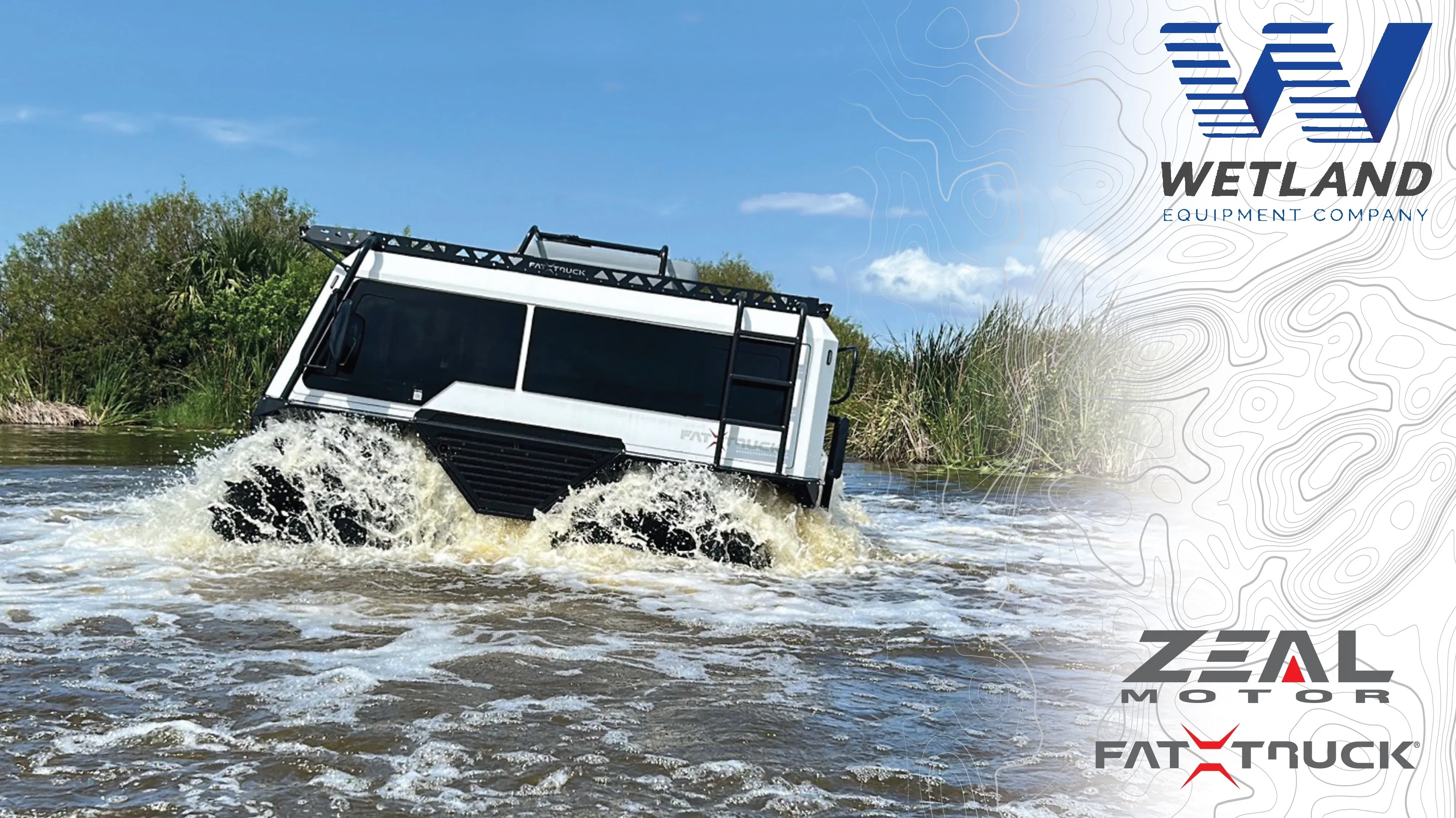
The FT3 Wagon is designed for enclosed crew transport in extreme conditions. With room for 6 to 8 passengers inside a climate-controlled cab, it gives teams a safer, more comfortable way to reach remote work areas in mud, snow, water, marsh, and rugged terrain.
Quick specs:
- Payload: 3,000 lbs on land, 2,200 lbs on water
- Crew capacity: 6 to 8 passengers inside the enclosed cabin, depending on configuration
- Ground pressure: 1.6 psi fully loaded
- Speed: 25 mph on land and 3.1 mph on water
- Cab: Enclosed cabin with heat and A/C
Ideal use cases:
- Crew transport
- Emergency response
- Utility access
- Winter operations
- Survey work
- Remote site support
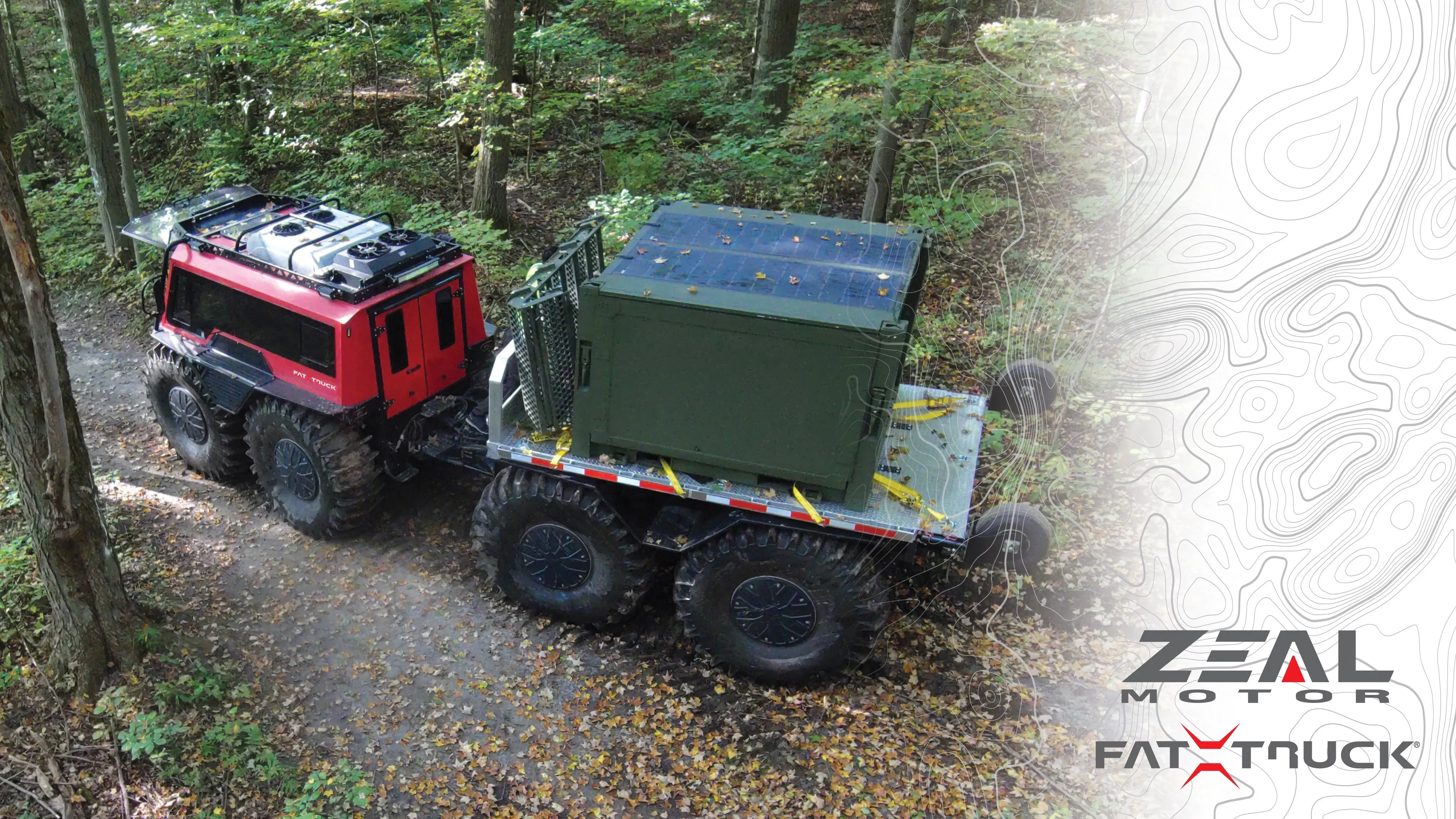
The FT5 Hauler is built for demanding jobs that require heavy material movement, large attachments, and high-capacity jobsite support. With an enclosed front unit and open rear hauling unit, it gives crews the strength and flexibility needed for serious field work.
Quick specs:
- Payload: 1,000 lbs in the front unit and 4,000 lbs in the rear unit
- Crew capacity: 4 passengers in the front unit, with rear open bed for equipment and materials
- Ground pressure: 1.9 psi fully loaded
- Speed: 25 mph on land and 3.1 mph on water
- Cab: Enclosed front unit with heat and A/C
Ideal use cases:
- Heavy hauling
- Crane systems
- Fire suppression systems
- Material transport
- Large-scale vegetation management
- Large attachment support
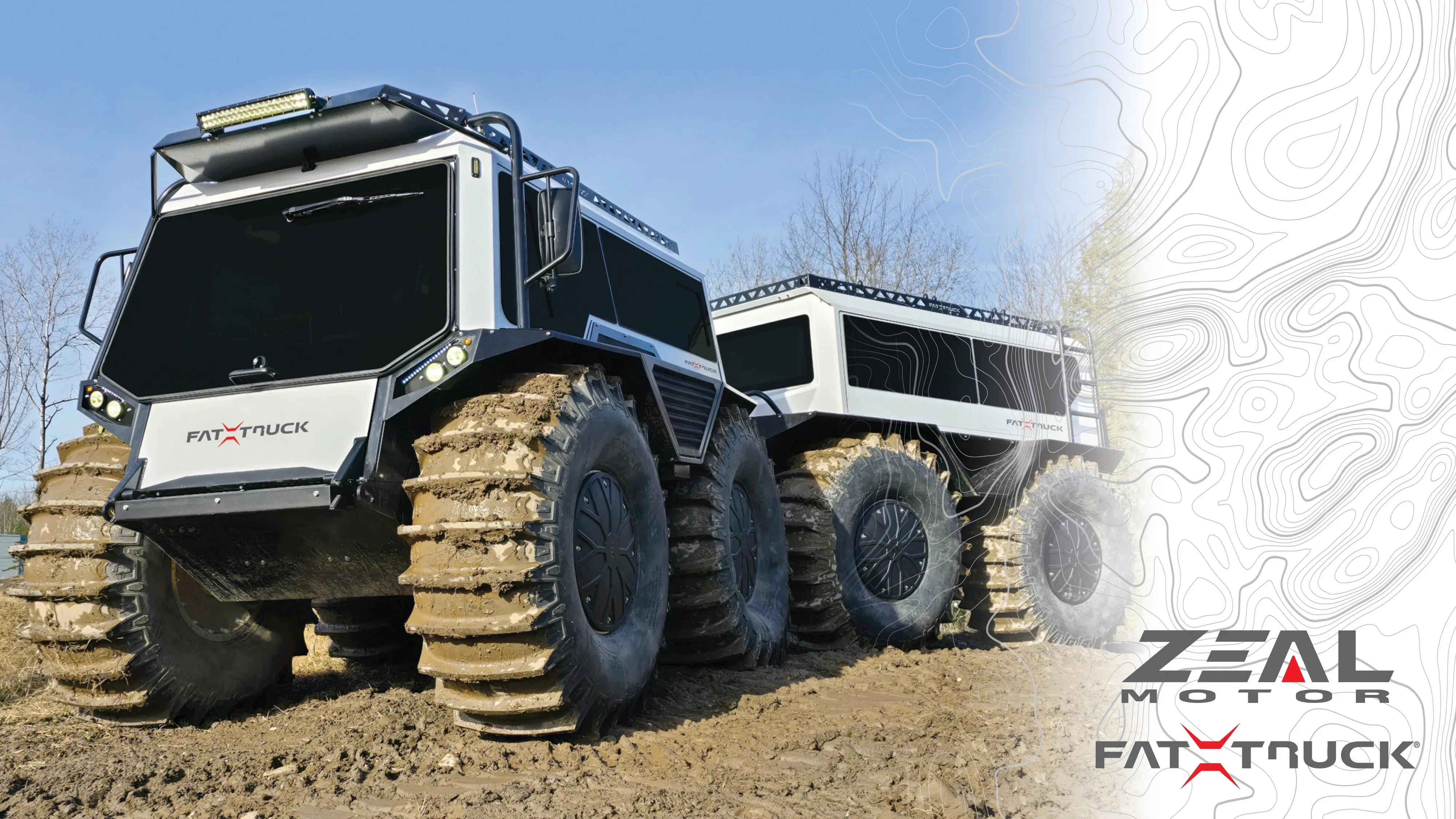
The FT5 Wagon is built for larger crews that need enclosed transport across difficult terrain. With a front unit and rear enclosed unit, it can move up to 16 passengers while maintaining low ground pressure and amphibious capability.
Quick specs:
- Payload: 1,000 lbs in the front unit and 3,000 lbs in the rear unit
- Crew capacity: 4 passengers in the front unit and 12 passengers in the rear unit
- Ground pressure: 1.9 psi fully loaded
- Speed: 25 mph on land and 3.1 mph on water
- Cab: Enclosed climate-controlled passenger areas
Ideal use cases:
- Large crew transport
- Emergency response
- Utility operations
- Remote access routes
- Flood response
- Harsh-weather transport
Used Fat Trucks for Sale
Wetland Equipment also offers select used Fat Truck units when inventory is available. Used units can be a practical option for organizations that need amphibious access, crew transport, or jobsite support without waiting on a new custom configuration.
Availability changes based on rental fleet status and current inventory, so buyers should review the latest listings or contact Wetland Equipment to compare used units against new FT2, FT3, and FT5 options.
Used Fat Trucks may be a good fit for:
- Contractors needing faster access to available equipment
- Teams comparing new vs. used purchase options
- Organizations with short purchasing timelines
- Buyers who want proven equipment with support from Wetland Equipment
Built for Real Job Sites
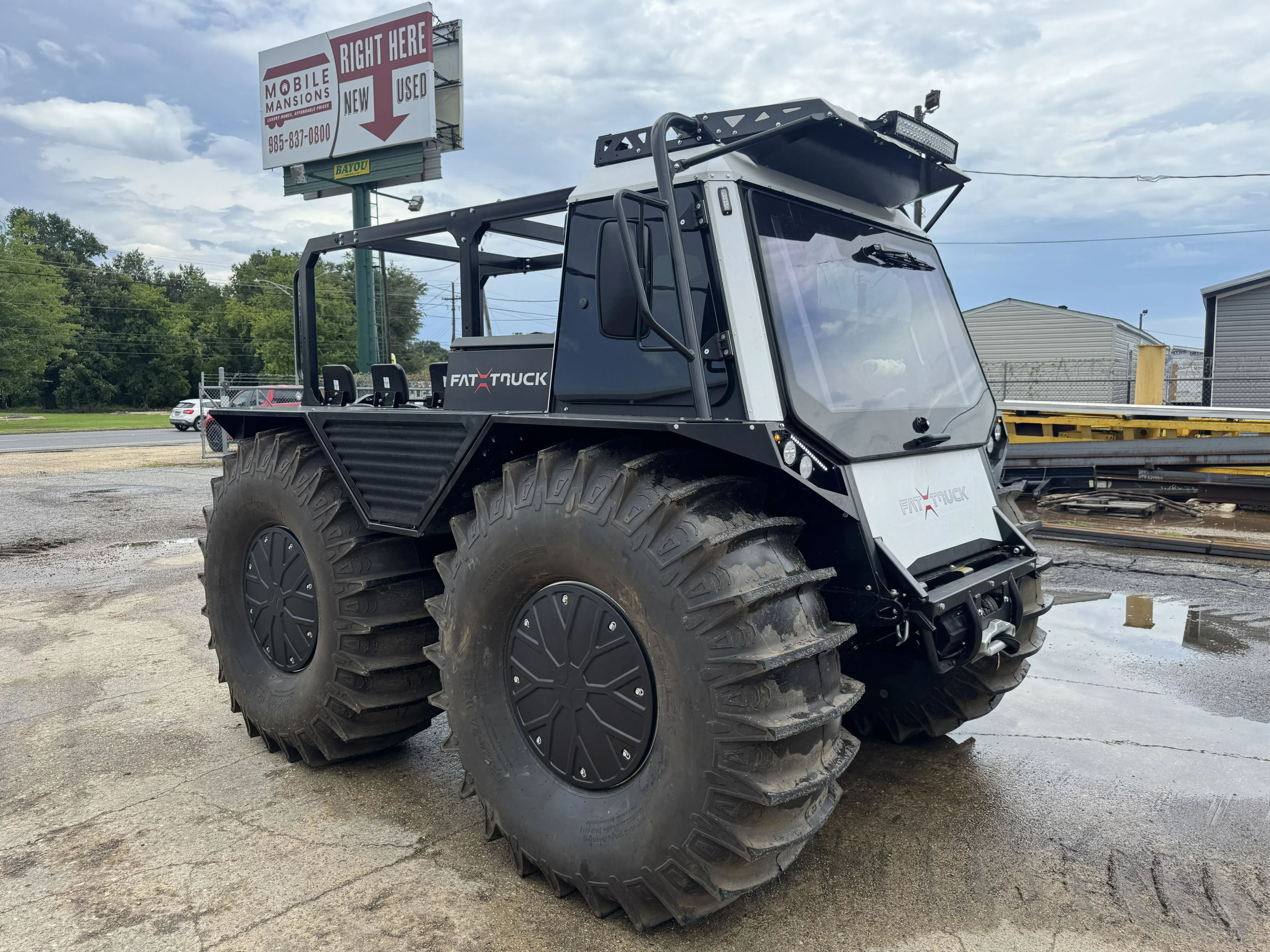
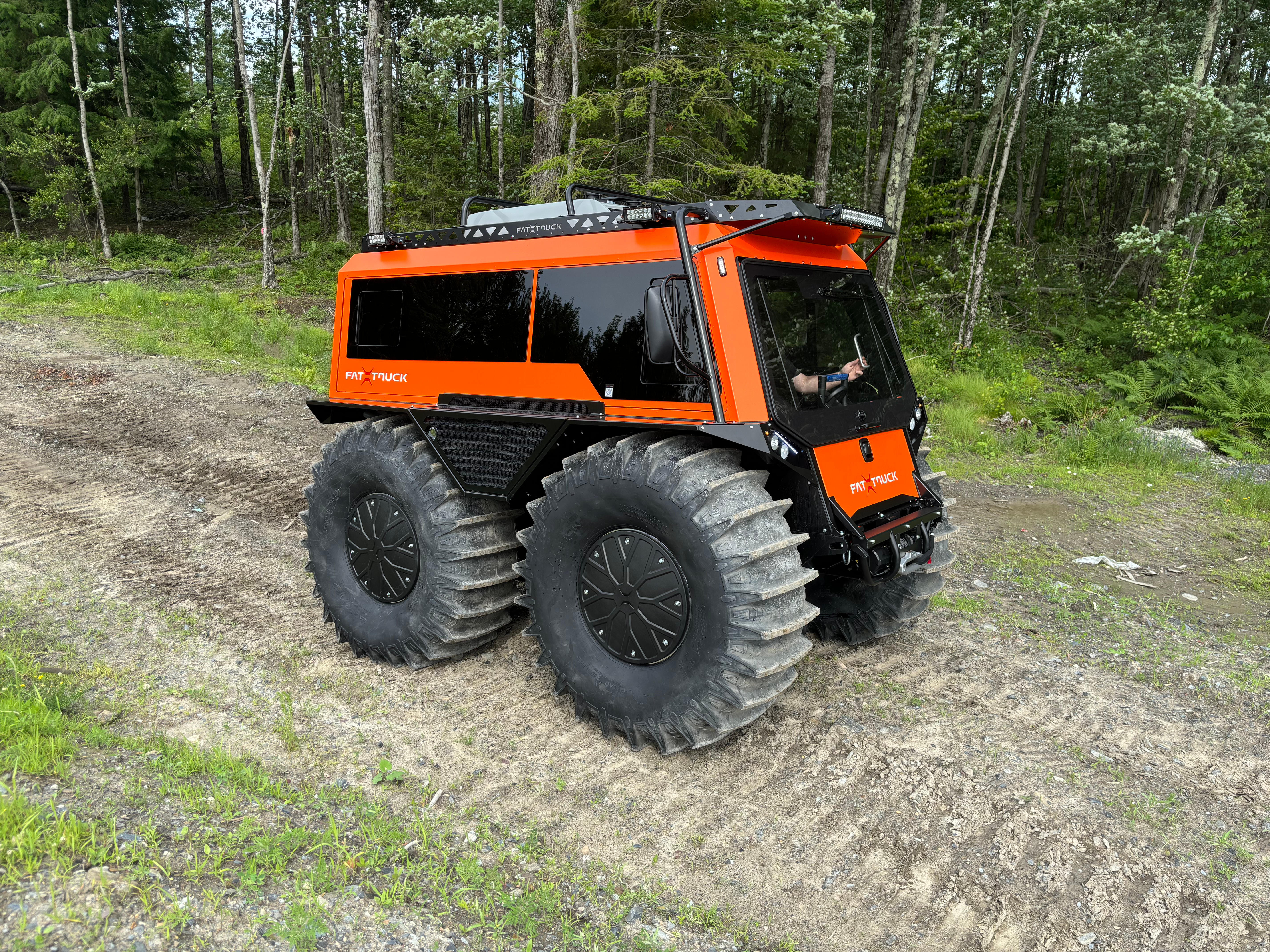
Fat Truck vehicles are built for real work environments, not recreation alone. These machines are designed for crews that need to reach job sites covered in mud, marsh, water, snow, ice, vegetation, and uneven ground, all while carrying people, tools, and job-specific equipment.
On utility jobs, Fat Truck vehicles help crews reach power lines, pipelines, flooded access routes, ROW corridors, and remote infrastructure without relying on less capable transport. In environmental work, they can support spraying, vegetation management, survey work, and treatment applications while reducing surface disturbance in many soft-ground conditions.
Attachments make the platform even more jobsite-focused. Mowers, brush cutters, sprayers, tanks, pumps, cranes, and trailers can help crews complete work after they arrive, which reduces the need to shuttle between machines or stage separate equipment in hard-to-reach areas.
Demo, Rent, or Buy
A demo is the best next step when your team needs to evaluate how a Fat Truck performs in real terrain. Demos can be structured around your application, including maneuverability, amphibious transitions, payload needs, attachment use, and the conditions your operators expect to face.
A rental is a practical choice for short-term projects, seasonal access, emergency work, or specialized jobs that do not require permanent fleet expansion. Wetland Equipment maintains a rental fleet and can provide equipment anywhere in the continental United States.
A purchase makes sense when your organization needs a long-term amphibious access solution. Rentals can also be converted to purchase at any time, with a portion of rental payments applied toward the purchase price, depending on the situation.

Frequently Asked Questions
Wetland Equipment wants to be clear and straightforward about what Fat Trucks are designed to do and where they perform best. Our goal is to help customers understand the real-world applications, capabilities, and limitations of each machine so they can choose the right solution with confidence. From wetlands and marsh access to pipeline inspections, utility work, and remote terrain operations, we focus on practical performance, honest guidance, and equipment that solves access challenges safely and efficiently.
Yes. All Fat Truck models are purpose-built amphibious vehicles that float and propel themselves in water using their low-pressure tires. They are designed for shallow water, flooded areas, marshes, ponds, and calm inland waterways, with the ability to transition between water, mud, snow, and solid ground.
Fat Trucks are engineered for mud, snow, ice, shallow water, marsh, and rugged off-road conditions, including steep and uneven ground. Typical published limits include approximately 35 degrees uphill or downhill and 22 degrees of side slope on recent models.
There is no fixed depth limit because the vehicle floats. Safe operation depends on water conditions, including current, waves, and wind, since Fat Trucks are not designed for large waves or fast-moving currents.
Maintenance is similar to other industrial diesel equipment, including routine engine, hydraulic, tire, and driveline checks. Standard service intervals are typically 250 hours or one year for engine and hydraulic systems.
Fat Trucks can be transported on a standard deck-over bumper pull trailer using a three-quarter-ton truck. Their weight typically does not require special transport permits, which helps simplify mobilization for many projects.
Fat Truck is ISO-certified with a roll-over protective structure and seat belts for all passengers. Standard features include auto-engage braking systems, emergency brakes, horn, and interior lighting, while optional equipment can include work lights, beacons, signal lights, backup cameras, and electronic inclinometers with alarms.
No special certification is typically required beyond a standard driver’s license, but proper training is strongly recommended. Wetland Equipment provides a full 8-hour training session to help operators learn safe operation, terrain management, controls, and jobsite best practices.
Yes. Current models offer enclosed cabs with multiple heating options, air conditioning, defrost systems, and heated mirrors, helping crews work in cold, hot, wet, and windy conditions.
Yes. Factory options include roof racks, storage boxes, winches, lighting, camera systems, heaters, and cold-weather packages. Wetland Equipment also specializes in custom amphibious equipment solutions such as flail mowers, brush cutters, herbicide sprayers, backhoes, augers, anchor setters, and fire suppression systems.
Yes. Wetland Equipment offers rentals, free demos at its location, and on-site demos for a fee. Demo costs may be reduced when combined with other demos or scheduled alongside existing transport routes.
Choose the FT2 for smaller crews, tighter access, lighter payloads, and targeted work. Choose the FT3 for versatile operations, crew transport, pickup or wagon flexibility, and strong all-around performance. Choose the FT5 for larger crews, heavy workloads, large attachments, and large-scale jobs.
Fat Trucks do not perform well in open, liquid “pudding” mud without vegetation for traction. Operators should also avoid rough water, fast-moving currents, large waves, excessive slopes, sharp objects, high winds on open water, downed power lines, and situations that exceed payload or safety limits.
Disclaimer: your personal information will not be shared.
About Us
Products
Copyright© 2025 Wetland Equipment | All Rights Reserved