

Fat Truck Applications for Remote Terrain Work
We'll Get You There
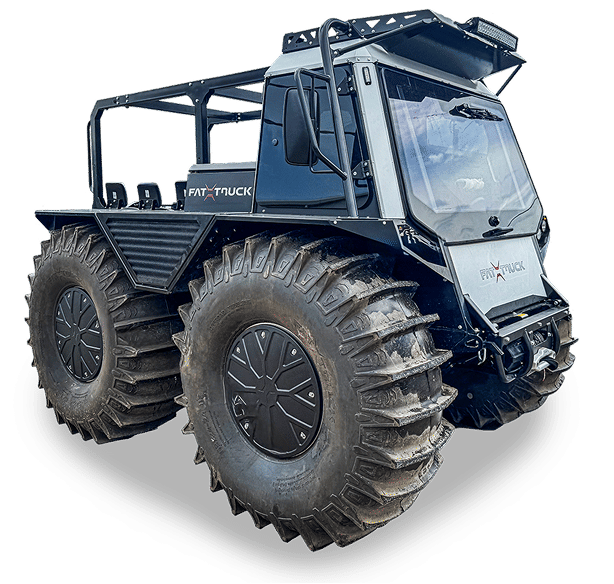
Work-Ready Performance for Extreme Terrain Conditions
Fat Truck is built to perform real work in terrain where traditional equipment cannot operate. From wetlands and marshes to remote job sites, it provides a platform that not only reaches difficult locations but performs work directly through specialized attachments and configurations. For crews working in unstable, remote, or undeveloped environments, access is only part of the challenge. Fat Truck helps operators bring the right tools into the field, complete the job, and reduce the limits created by mud, water, soft ground, and rough terrain.
Built for Real Work in Extreme Terrain
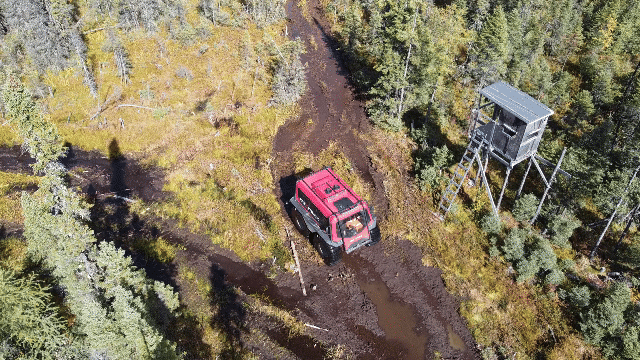
Fat Truck vehicles are designed for demanding job sites where ordinary trucks, utility vehicles, and heavy equipment may struggle to move safely or efficiently. Their amphibious capability helps crews travel through mud, water, wetlands, marshes, flooded areas, and soft ground without relying on traditional road access. This makes the platform useful for operations that take place beyond paved surfaces, graded roads, or stable construction paths. When the work site is difficult to reach, Fat Truck helps teams move people, tools, and equipment closer to where the work needs to happen.
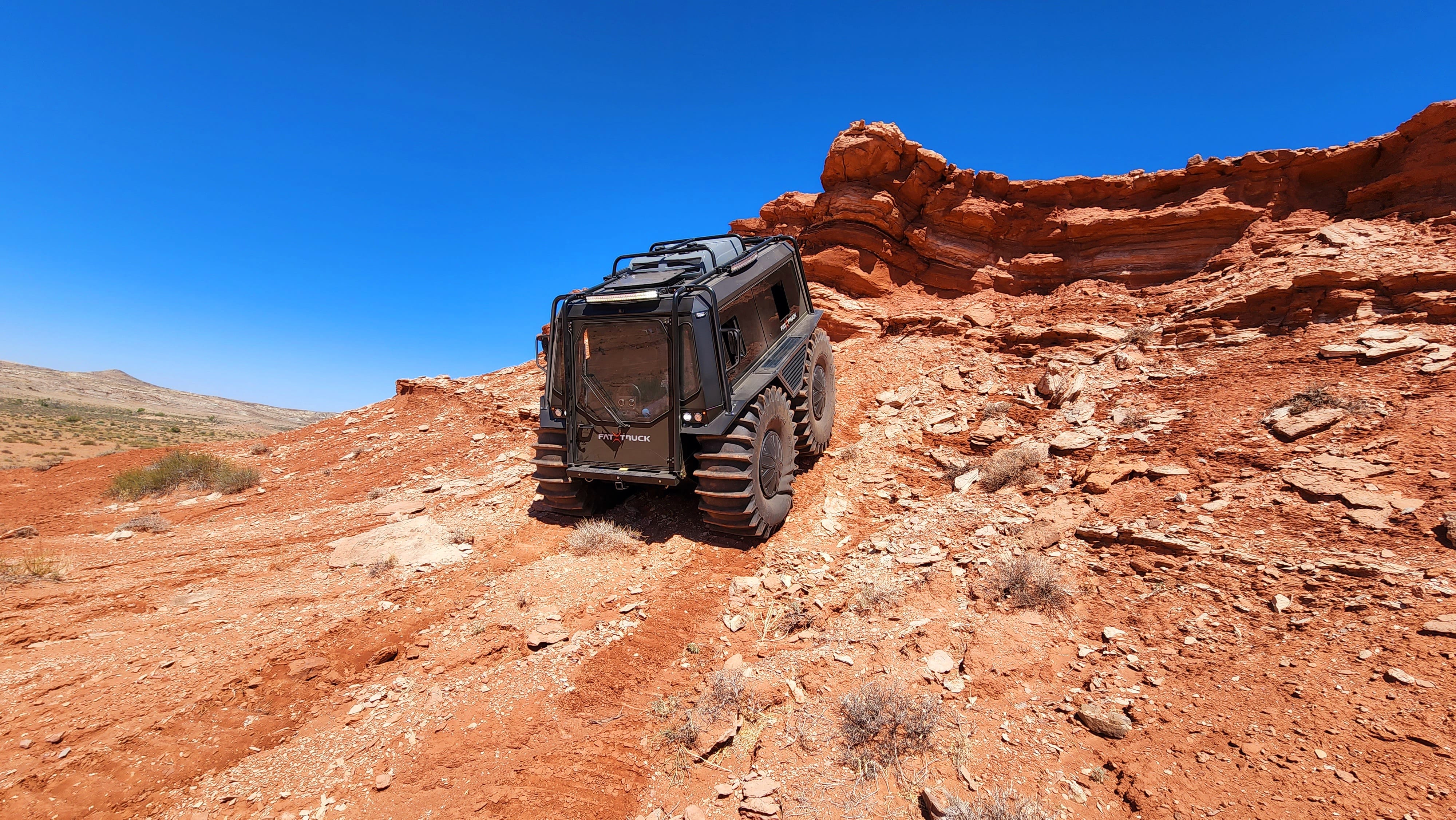
Fat Truck supports field work by combining mobility, stability, and equipment-carrying capability in one platform. Operators can access remote and undeveloped areas, maintain stability in challenging environments, and support mounted systems or jobsite tools. This helps reduce downtime caused by terrain limitations and gives crews more flexibility when conditions change. For many operations, Fat Truck is not simply a way to get to the job, it becomes part of how the job gets done.
Common uses include:
Operate in mud, water, and soft ground
Access remote and undeveloped areas
Maintain stability in challenging environments
Support mounted equipment and jobsite tools
More Than Access: Built to Do the Work
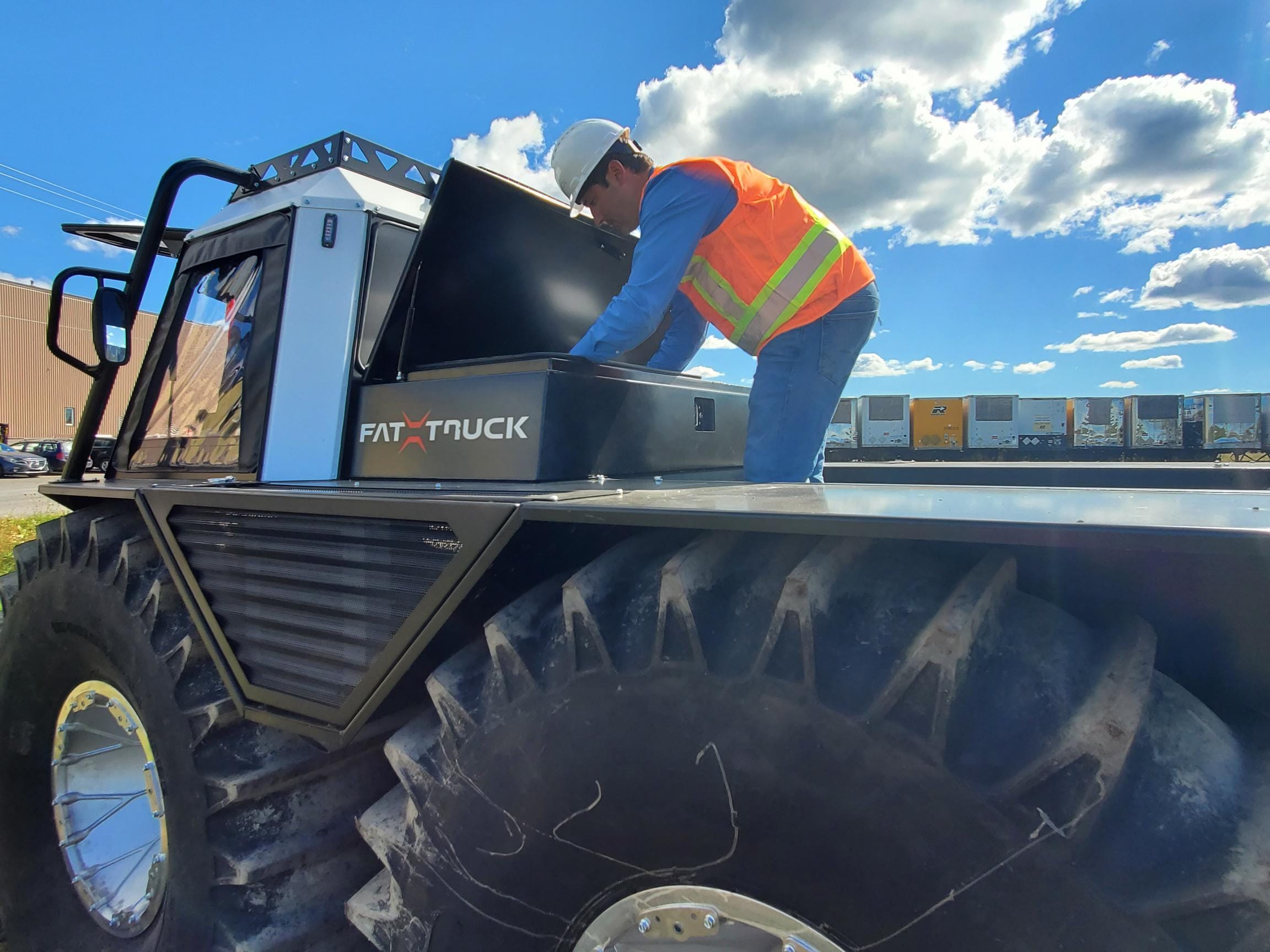
A Fat Truck is not just a transport vehicle. It is designed to be configured for specific applications using integrated attachments and equipment. That means crews can use the vehicle as a mobile work platform instead of relying on separate machines that may not be able to reach the site. This is especially valuable in wetlands, right-of-way corridors, fire response zones, utility areas, and remote terrain where conventional equipment can create delays or limitations.
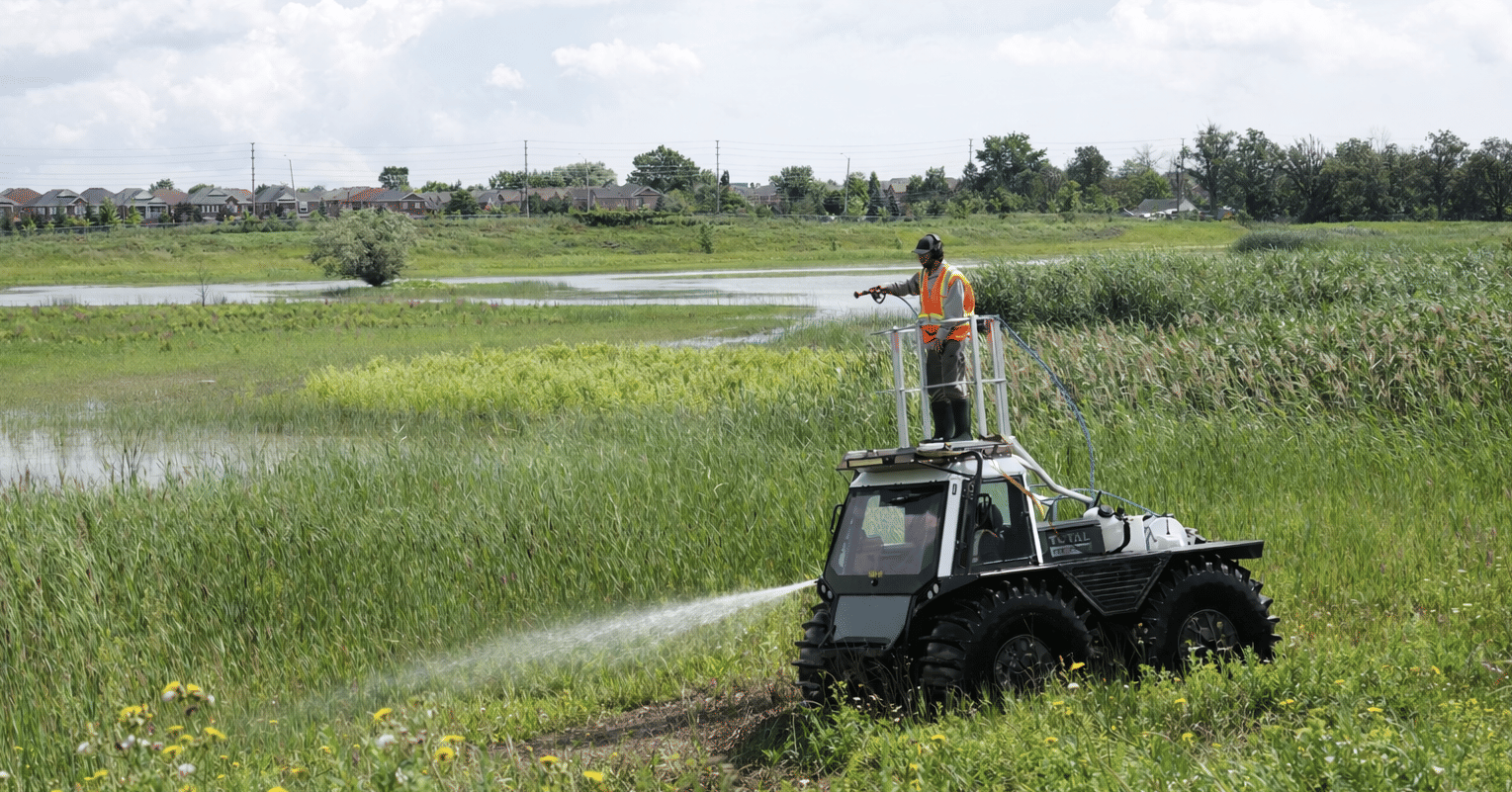
The right configuration allows teams to complete work directly in places where traditional machinery cannot operate. A Fat Truck can be equipped for land clearing, spraying, emergency response, field service, hauling, and other work-focused applications. This attachment-based flexibility helps users match the vehicle to their terrain, job type, and industry requirements. Instead of treating difficult terrain as a barrier, Fat Truck helps turn remote access into productive field capability.
Examples include:
Brush cutting and mowing systems
Herbicide and spraying systems
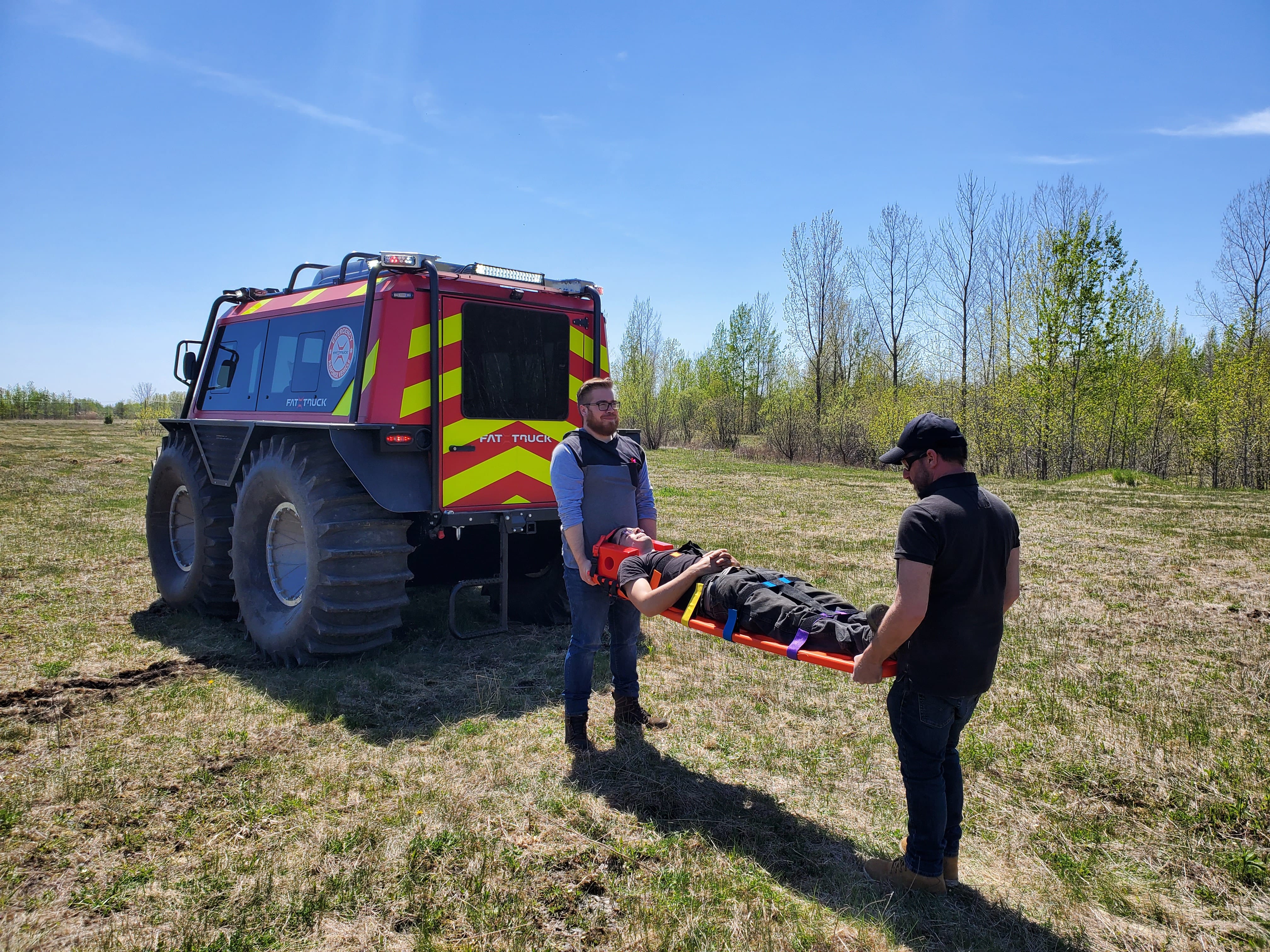
Fire suppression tanks and pumps
Utility and field service setups
Amphibious trailers for hauling
Core Applications
Applications by Industry
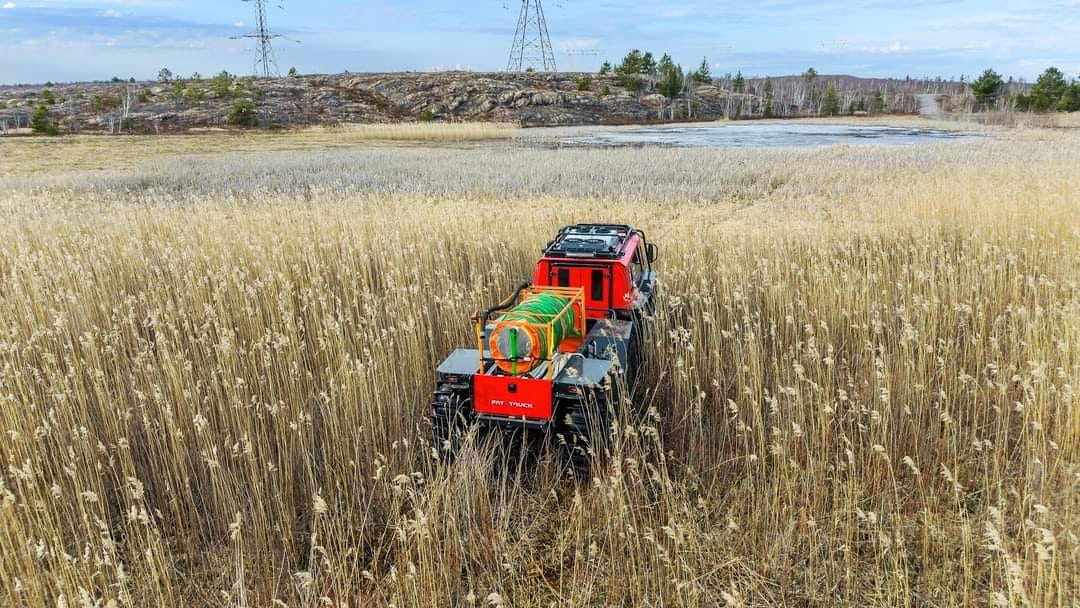
Fat Truck applications extend across industries that need reliable access, field productivity, and specialized equipment support in difficult terrain. Different organizations may use the same platform for very different jobs depending on their work environment, safety requirements, and attachment needs. A utility crew may need access for inspection and maintenance, while an emergency response team may need a fire suppression setup for remote areas. The platform’s value comes from its ability to adapt to the job instead of forcing crews to work around the limits of standard equipment.
Industries that commonly benefit from Fat Truck applications include:

Environmental and land management
Utility and infrastructure
Government and municipal operations
Each industry faces its own field challenges, but the need for dependable remote terrain access is often the same. Oil and gas teams may need to move equipment across undeveloped sites, while municipal crews may need to maintain drainage areas, waterways, or public land. Environmental teams may require spraying, monitoring, or vegetation control in sensitive terrain. Fat Truck gives these teams a configurable vehicle platform that can be matched to the work rather than limited to transportation alone.
A Configurable
Platform for Multiple Applications
Fat Truck is designed to support a wide range of attachments and mounted systems. This allows a single vehicle platform to serve multiple functions across different job sites, seasons, and operational needs. Instead of investing in separate machines for every terrain challenge, crews can configure Fat Truck for the type of work they need to complete. That flexibility can help simplify field operations while keeping crews prepared for changing conditions.
A configurable platform is especially useful for organizations that work across multiple environments. One project may require vegetation management, while another may involve spraying, hauling, or emergency support. Fat Truck can adapt to different industries and terrain conditions without sacrificing the performance needed for remote work. For teams that need versatility in the field, this creates a practical balance between access, productivity, and equipment capability.
Configurations and support systems:
Supports a wide range of attachments and mounted systems
Adapts to different industries and terrain conditions
Reduces the need for multiple machines in the field
Designed for versatility without sacrificing performance
Work Where Other Equipment Cannot
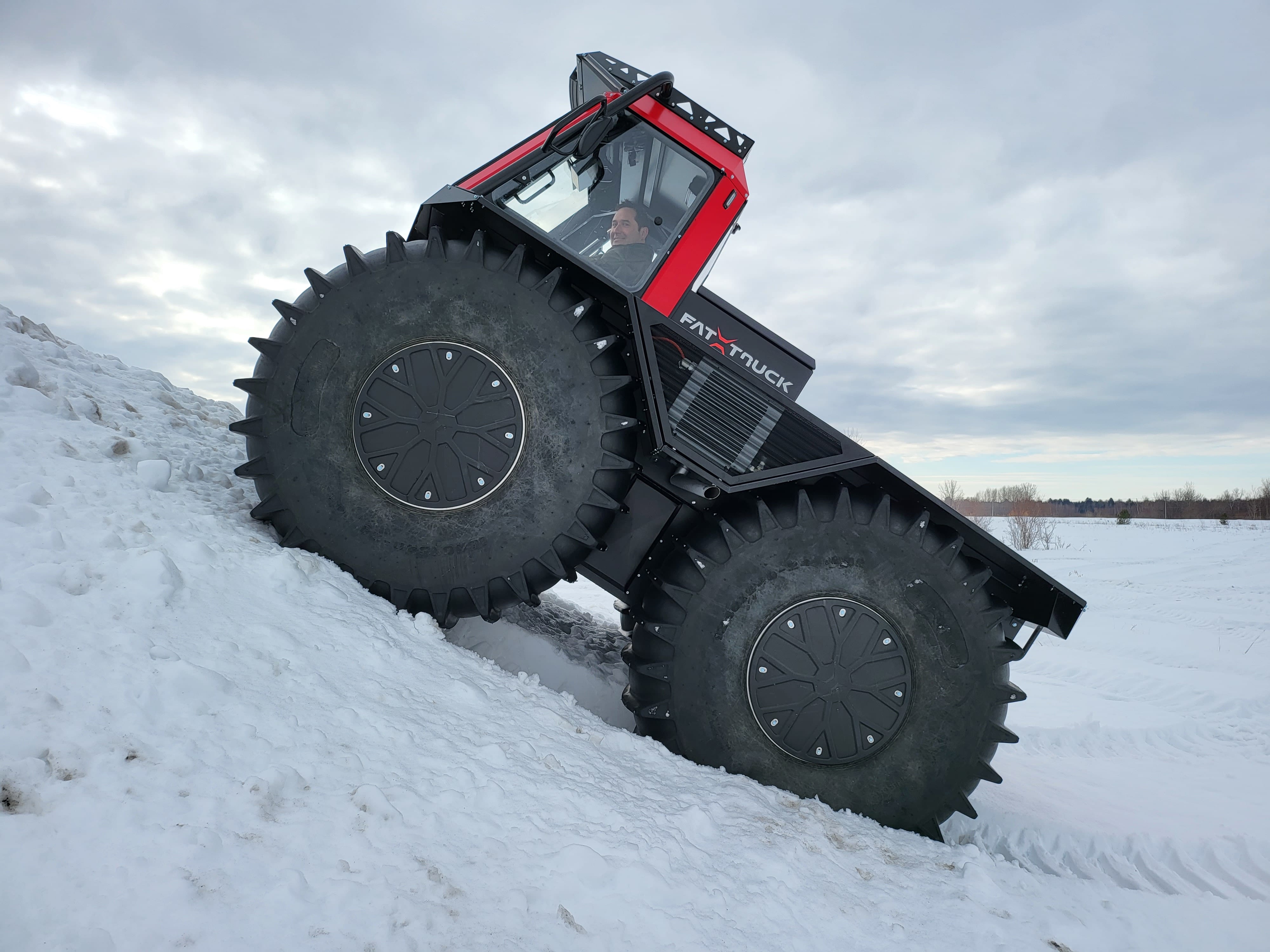
Fat Truck helps crews work in places where traditional vehicles and equipment may be stopped by terrain. Wetlands, marshes, flooded areas, dense vegetation, and unstable ground can all create serious access challenges. These conditions can slow projects, limit equipment choices, and increase the amount of manual work required in the field. Fat Truck is built to reduce those barriers by giving crews a vehicle platform that can travel through difficult environments while supporting real jobsite tasks.
This capability matters when the work cannot wait for ideal ground conditions. Utility repairs, fire response, land management, and environmental treatment often need to happen in areas that are remote, wet, uneven, or difficult to reach. With the right setup, Fat Truck can help crews maintain traction, move through soft surfaces, and reach locations beyond traditional road access. That makes it a strong option for teams that need reliable performance in terrain where ordinary equipment cannot keep up.
Common locations include:
Traverse wetlands, marshes, and flooded areas
Operate in dense vegetation
Maintain traction in unstable ground
Reach locations beyond traditional road access

Find the Right Setup for Your Application with Wetland Equipment
Whether you are managing vegetation, responding to emergencies, spraying remote areas, or maintaining infrastructure, the right Fat Truck configuration depends on your terrain, workload, and operational needs. Different applications may require different attachments, payload considerations, or support equipment. A crew working in wetlands may need a different setup than a team handling fire suppression or utility access. Matching the platform to the job helps improve performance, safety, and productivity in the field.
Fat Truck gives organizations a practical way to move beyond simple access and build a work-ready solution for remote terrain. With multiple application options and attachment-based configurations, teams can choose a setup that supports their daily work instead of relying on equipment that was not designed for the environment. From land management to emergency response, the platform is built to help crews complete demanding jobs where other vehicles may not operate. To find the best configuration for your application, start by reviewing your terrain, workload, and field requirements.
Disclaimer: your personal information will not be shared.
About Us
Products
Copyright© 2025 Wetland Equipment | All Rights Reserved