Choosing the Right Amphibious Vehicle

Buyers comparing amphibious vehicles are often looking at machines that appear similar at first glance, even though they are built for very different jobs. Some vehicles prioritize flotation in soft terrain, some focus on recreational trail use, and others are designed to carry crews, tools, and equipment into places standard work trucks cannot reach. Wetland Equipment helps buyers look beyond surface-level specs so they can understand how each platform performs in real field conditions. When the work involves mud, marsh, snow, ice, standing water, remote access, or unstable ground, the right vehicle choice can affect safety, productivity, and long-term operating costs.

Why Amphibious Vehicle Comparisons Matter

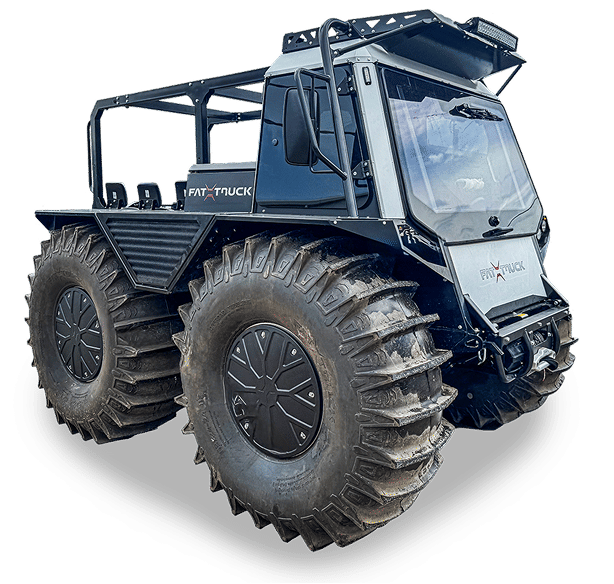
Amphibious and extreme off-road vehicles are often placed in the same category, even when they solve different problems. A traditional UTV may be fast on trails but limited in water, deep mud, or severe wetland conditions. A tracked vehicle may offer excellent flotation, yet it may also bring transport, speed, maintenance, and jobsite handling considerations that do not fit every crew. A wheeled amphibious platform like Fat Truck can make sense for teams that need a balance of mobility, payload, crew comfort, and field usability.

Comparison searches usually happen when a buyer has moved beyond general research and is actively evaluating options. At this stage, details matter because the wrong platform can limit where a crew can go, how much they can carry, and what kind of work they can complete once they arrive. A machine that looks capable in a video may not be the right choice for daily utility access, emergency response, pipeline work, vegetation management, or wetland operations. Wetland Equipment helps customers compare vehicles around real-world performance rather than marketing claims alone.

The most useful off-road vehicle comparison focuses on terrain, workload, crew size, transport needs, attachments, maintenance, and cost of ownership. These factors show whether a vehicle is simply able to reach difficult places or whether it can also support productive work after it gets there. Fat Truck is often considered by buyers who need more than recreational access, especially when crews must carry tools, equipment, and passengers into remote or unstable areas. That makes a structured comparison especially important for organizations that need a reliable work platform rather than a novelty vehicle.

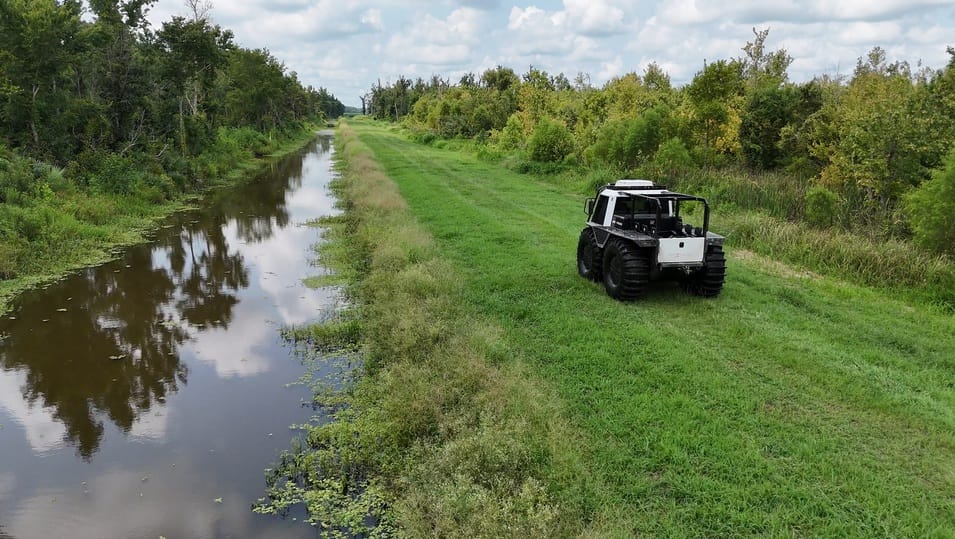
FT3 Fat Truck driving on grassy Terrain

Operational Framework

How to Evaluate Amphibious Vehicles

Terrain Type

Mud, wetlands, snow, ice, standing water, and uneven ground all create different demands. A vehicle that performs well on firm trails may not be practical in saturated soil, flooded access routes, or soft marsh conditions.

Payload Capacity

Tools, rescue gear, utility materials, environmental equipment, sprayers, and attachments can significantly change what a vehicle needs to carry. Buyers should compare how each platform performs when loaded for a real workday, not just when empty.

Crew Transport

Some off-road vehicles are designed for one or two riders, while others can move a working crew more safely and comfortably. For industrial, utility, emergency response, and land management teams, passenger capacity can be just as important as terrain access.

Maintenance Requirements

Long-term value depends on more than the initial purchase price. Buyers should consider serviceability, part availability, system complexity, downtime, and how easily the vehicle can stay ready for regular field use.

Transport and Logistics

Amphibious vehicles often need to move between job sites, which makes trailering, loading, deployment time, and storage important factors. A platform that is easier to transport can be more practical for contractors, municipalities, utilities, and response teams that serve multiple locations.

Cost of Ownership

Purchase price is only one part of the investment. Fuel use, maintenance, repairs, operator training, transport needs, storage, and downtime all affect the total cost of ownership over the life of the vehicle.

Ability to Perform Work

Access matters, but the vehicle should also help crews complete tasks after they arrive. Buyers should evaluate whether the platform can support attachments, carry equipment, transport people, and function as a true work vehicle in difficult environments.

Capability

Featured Comparison: Fat Truck vs Sherp

Fat Truck vs Sherp is one of the most common searches for buyers evaluating wheeled amphibious vehicles. Both platforms are known for extreme terrain access, but they are not always built around the same priorities, operating style, or jobsite expectations. Rather than comparing them only by appearance, buyers should look at crew transport, payload, speed, serviceability, operator comfort, and how the vehicle fits into daily work. A Sherp alternative may make sense when the buyer needs a more practical work platform for industrial, utility, emergency response, or environmental operations.

Fat Truck is often evaluated as a practical choice for organizations that need to move crews and equipment across difficult terrain while still keeping the machine usable for real work. The comparison should include how the vehicle handles mixed conditions, how efficiently it moves between locations, and whether it can support the tools or attachments required for the job. It should also account for training, maintenance, transport, and the number of operators or passengers who need to travel together. Wetland Equipment can walk buyers through these differences during a demo so they can see how the platform fits their terrain and workload.

Additional Segments

Other Comparisons

Utility Comparison

Fat Truck vs UTV

A Fat Truck vs UTV comparison usually starts with a simple question: does the job require true amphibious and extreme-terrain capability, or is a standard off-road vehicle enough? UTVs are useful for farms, trails, large properties, light hauling, and general access across firm or moderately rough ground. They can be fast and familiar, but many are not built for deep mud, marshland, flooded areas, soft wetlands, or severe winter conditions. When terrain becomes unpredictable, a standard UTV may reach its limits quickly.

Fat Truck is designed for situations where ordinary off-road access is not enough. For utility crews, rescue teams, wetland contractors, land managers, and industrial operators, the ability to move through unstable ground or water can be the difference between reaching the site and waiting for conditions to improve. Payload and crew capacity also matter because work crews often need to bring tools, supplies, and safety equipment with them. Wetland Equipment helps buyers decide whether a UTV is sufficient or whether an amphibious work vehicle is the more dependable long-term choice.

Traction Comparison

Tracked vs Wheeled Amphibious Vehicles

Tracked vs wheeled amphibious vehicle comparisons are important because each design brings different strengths. Tracked platforms can provide strong flotation and traction in certain soft-ground conditions, which may make them appealing for specific terrain challenges. They can also bring added maintenance, transport, speed, and surface-impact considerations depending on the machine, worksite, and use pattern. A tracked platform may be the right answer in some cases, but it should not be treated as the default choice for every amphibious application.

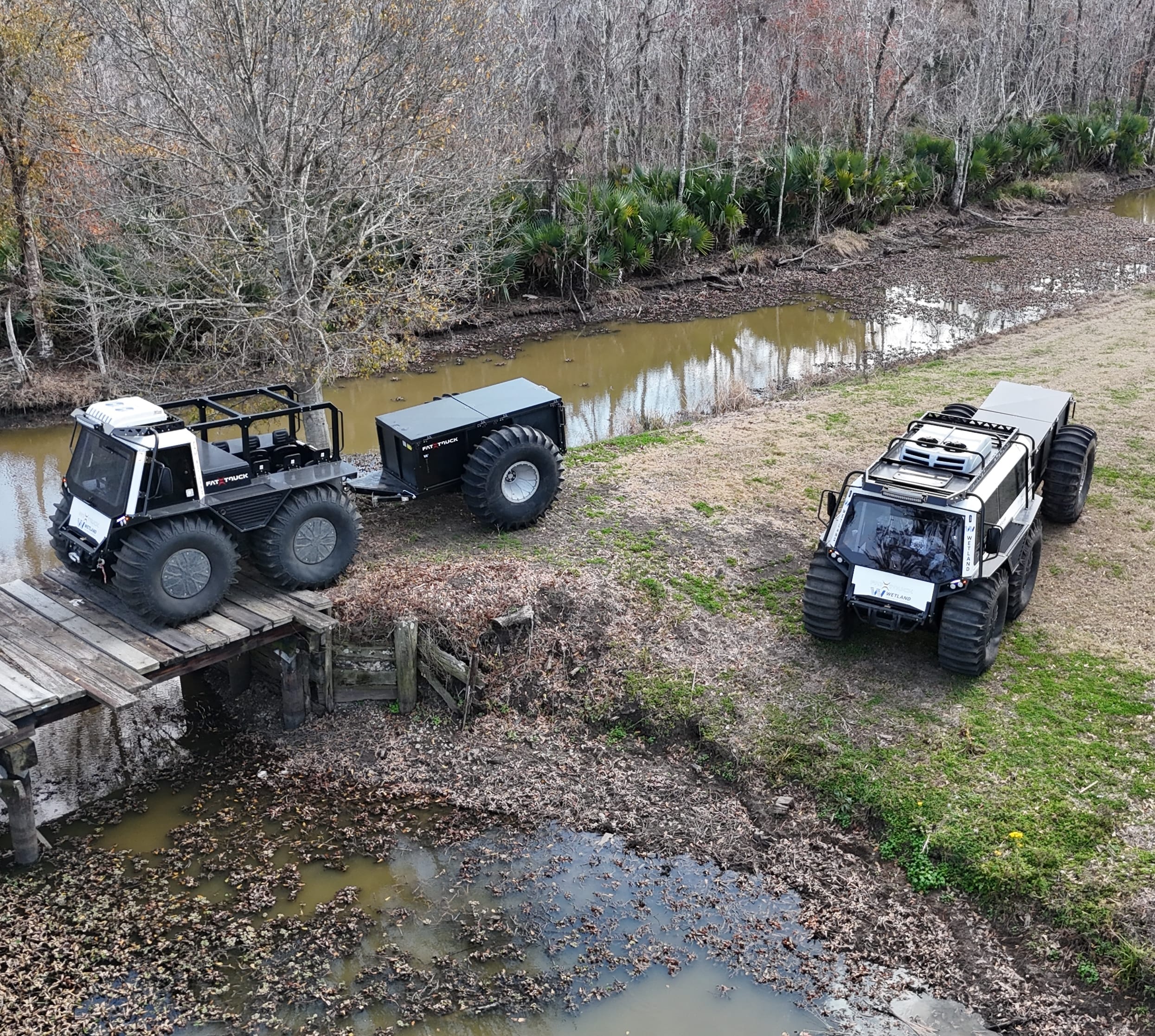
Wheeled amphibious vehicles can provide a more versatile balance for teams that move across mixed terrain. Fat Truck is designed to travel across difficult ground while still supporting work-focused needs such as crew transport, payload, and configurable use. This can be especially valuable when a crew must travel from hard surfaces to mud, snow, wetlands, or shallow water within the same job. Wetland Equipment helps buyers compare these tradeoffs so they can choose a platform that fits the conditions they face most often.

Where Fat Truck Fits Best

Fat Truck is designed for buyers who need more than basic access to difficult terrain. Wetland Equipment helps teams evaluate whether Fat Truck is the right fit for real work environments where mobility, payload, crew transport, and jobsite performance all matter.

Industrial and Jobsite Operations

Fat Truck supports crews that need to reach remote, muddy, wet, or unstable work areas while carrying tools, materials, and equipment.

Utility and Infrastructure Work

Power, pipeline, telecom, municipal, and maintenance teams can use Fat Truck to access hard-to-reach areas where standard trucks or UTVs may struggle.

Emergency Response and Rescue

Fat Truck gives response teams a practical option for moving personnel and gear through flood-prone areas, snow, ice, marshland, and rough terrain.

Environmental and Land Management

Wetland managers, survey crews, vegetation control teams, and conservation professionals can use Fat Truck to move across soft ground while supporting fieldwork.

Teams That Need Attachments and Work Capability

Fat Truck is a strong fit when the vehicle needs to do more than reach the site. It can support real tasks in the field through configurable options and work-focused applications.

Choose the Right Amphibious Vehicle with Wetland Equipment

If your team is comparing Fat Truck to Sherp, standard UTVs, tracked vehicles, or other off-road platforms, a demo can make the differences easier to understand. Specs and photos can help, but real-world use cases tell the clearer story. Wetland Equipment can review your terrain, application, crew requirements, payload needs, and attachment goals before recommending the right path forward. Schedule a demo, view Fat Truck models, or request a quote to take the next step toward a vehicle built for real work in difficult environments.

Schedule Your Fat Truck Demo With Wetland Equipment

Choose Wetland Equipment for the best Fat Truck demo services around, then put real performance in front of your decision-makers. Reach out to schedule an amphibious vehicle demo that matches your terrain, your payload needs, and your real operating conditions.

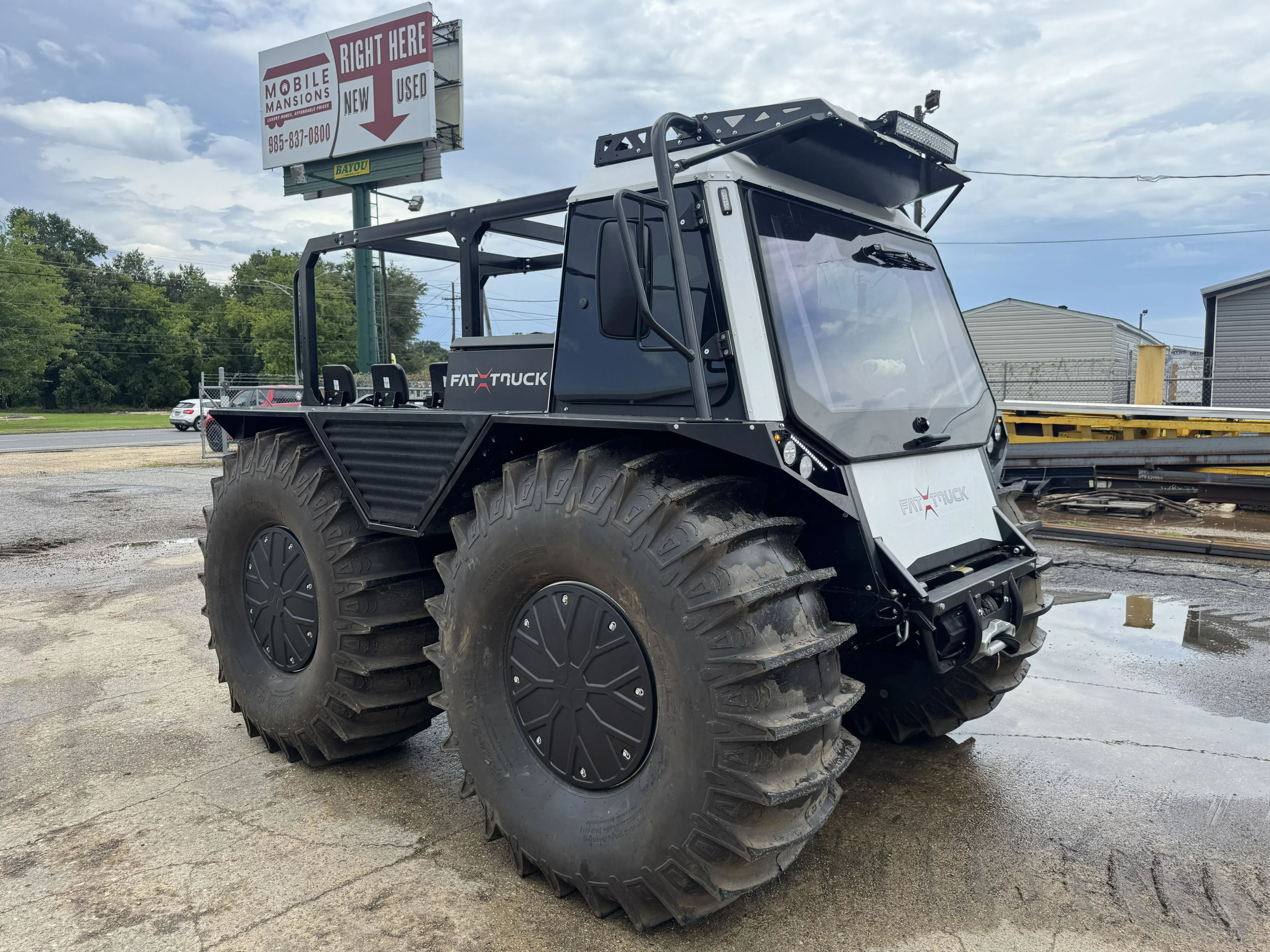
White Fat Truck sitting in lot