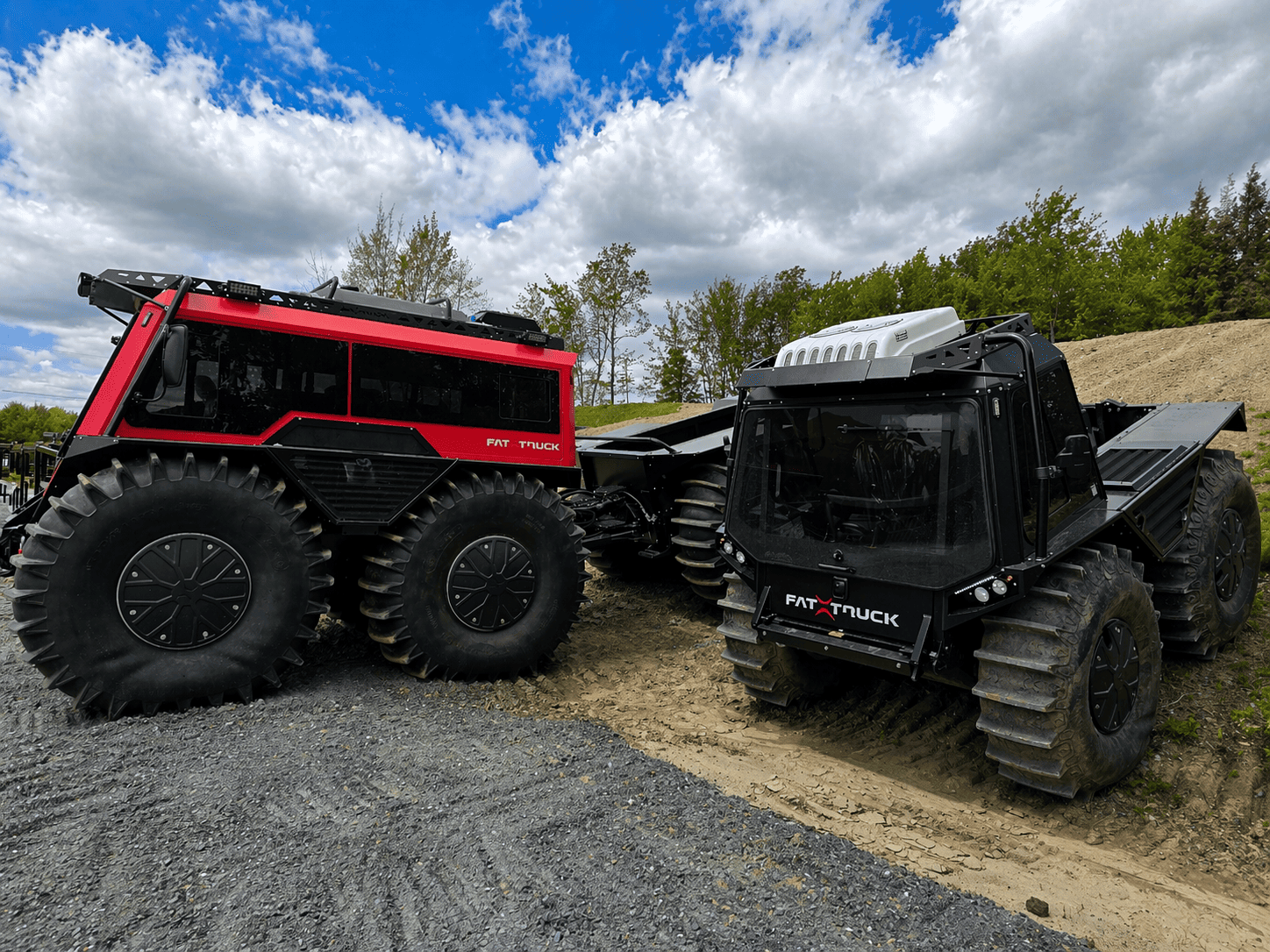
Two Fat Trucks ready for a job

Should You Rent or Buy a Fat Truck?

The right choice depends on how often you need it, what the work requires, and how your operation is structured.

Choosing the Right Path for Your Operation

Choosing between renting and buying a Fat Truck depends on how often you need it, the type of work you are performing, and how your operation is structured. For some teams, a rental provides the fastest and most practical way to solve a short-term access challenge. For others, ownership offers the control, availability, and long-term value needed for ongoing work.

Both options can make sense, but the right choice depends on your timeline, terrain, workload, and budget. By comparing rental and purchase needs side by side, you can make a more confident decision and avoid paying for more, or less, than your operation actually requires.

Rental Solutions

When Renting Makes the Most Sense

Renting is often the best option when flexibility is more important than long-term ownership. If your team needs remote access for a specific project, seasonal assignment, emergency response, or temporary work site, a rental can provide the capability you need without requiring a long-term commitment.

Renting can also help organizations respond quickly when needs change. If a project moves into wet, soft, uneven, or remote terrain, renting allows your team to access specialized off-road equipment without waiting on a permanent fleet decision.

Renting gives teams access to a Fat Truck without the upfront investment of ownership. It also gives decision-makers time to evaluate how the vehicle performs in real conditions before deciding whether a purchase makes sense.

Short-Term Project Work

Seasonal or Limited Use

Emergency Deployment

Equipment Trials

Temporary Terrain Access

Single Job or Contract

Ownership Benefits

When Buying Is the Better Long-Term Move

Purchasing becomes the stronger option when a Fat Truck is a consistent part of your operation. If your team needs reliable access to difficult terrain on a frequent, recurring, or daily basis, ownership may provide better long-term value than repeated rentals.

  • Ongoing operational needs
  • Frequent or daily use
  • Need for dedicated equipment availability
  • Long-term cost efficiency over repeated rentals
  • Standardized field operations
  • Greater control over scheduling, deployment, and configuration

For teams that rely on amphibious or extreme off-road access regularly, buying may be the more cost-effective decision over time. Ownership can provide lasting value when the vehicle becomes part of the organization's core equipment strategy.
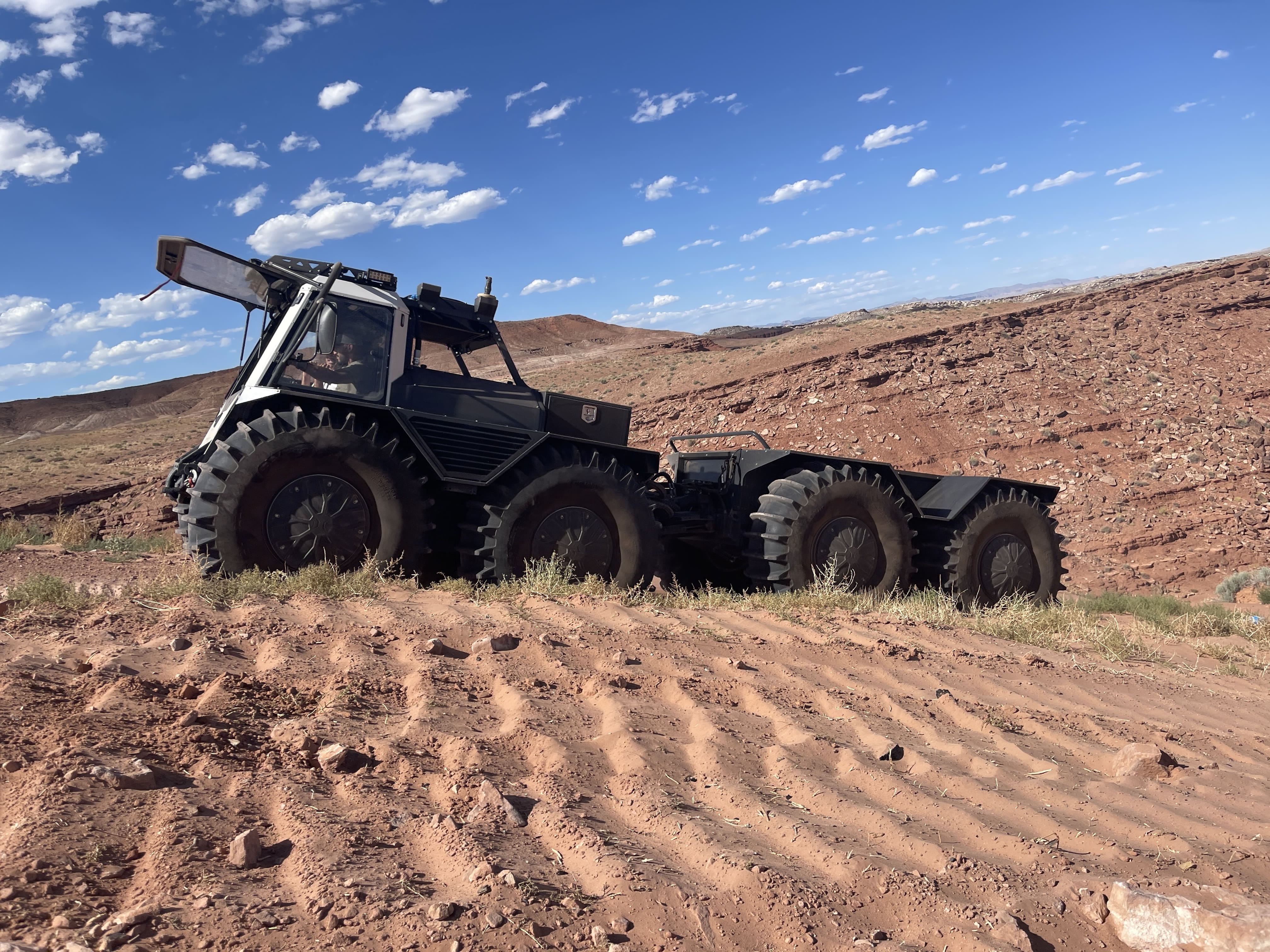
Fat Truck driving on dirt terrain during a job on a partly cloudy day.

Lower-Risk Entry

Renting as a Step Toward Ownership

A rental gives operators the chance to test a Fat Truck in real field conditions. Instead of relying only on specifications or assumptions, your team can evaluate how the vehicle handles the terrain, supports the work, fits your crew, and matches your operational needs.

Rental programs can also support purchase decisions. In some cases, rental costs may be applied toward a future purchase, depending on program terms and availability. This approach helps reduce decision risk and makes the final purchase decision clearer and easier to justify.

Many organizations use rentals to:

  • Evaluate performance in real-world conditions
  • Confirm the right model and configuration
  • Test attachments and use cases in the field
  • Understand operator needs before purchasing
  • Build internal confidence before requesting purchase approval
  • Compare short-term rental value against long-term ownership value

This approach helps reduce decision risk. If your team is considering ownership but wants proof that the equipment fits the job, renting first can make the final purchase decision clearer, more informed, and easier to justify.

Key Differences at a Glance

The choice between renting and buying usually comes down to timing, frequency of use, and long-term operational needs:

Upfront Cost

Renting usually requires a lower upfront commitment, which can make it easier to move forward when the need is short-term or project-based. Buying requires a higher initial investment, but it may offer better value when the equipment will be used often.

Flexibility

Renting gives your team more flexibility when needs are changing, seasonal, or uncertain. Buying is better suited for operations with stable, recurring, or long-term access needs.

Availability

With a rental, availability depends on scheduling and current fleet access. With ownership, the equipment is dedicated to your organization and available whenever your team needs it.

Long-Term Cost Efficiency

Renting can be cost-effective for limited or occasional use. Buying may become more efficient over time when repeated rentals would eventually exceed the value of ownership.

Ideal Use Cases

Renting is often best for projects, emergency response, equipment trials, temporary access, and seasonal work. Buying is often better for daily operations, recurring field work, and long-term remote access needs.

Decision Risk

Renting can reduce decision risk because your team can evaluate the equipment before making a larger commitment. Buying makes more sense when your operational needs are already clear, consistent, and ongoing.

Equipment Control

Rentals are limited by rental terms and available configurations. Ownership gives your team more control over configuration, scheduling, deployment, and long-term planning.

Neither option is automatically better in every situation. Renting is often the smarter choice when the need is temporary or uncertain, while buying is usually better when the vehicle will play a regular role in your operation.

What Should You Consider Before Deciding?

Before choosing between renting and buying, start with the way your team will actually use the vehicle. A Fat Truck may be needed for one difficult job, or it may become a dependable part of how your organization reaches remote sites, manages field operations, and supports crews in challenging terrain.

  • Is this for one project or ongoing work?
  • How often will your team use the vehicle?
  • Do you need dedicated availability?
  • Is the terrain consistent across projects?
  • Are you still evaluating the right model or configuration?
  • Would a rental help support an internal purchase decision?
  • Could repeated rentals become more expensive than ownership over time?

Clear answers to these questions can help narrow the decision. If your needs are temporary, renting may be the most practical first step. If your needs are frequent and predictable, buying may offer stronger long-term value.

Not Sure Which Path Is Right?

A conversation can help clarify whether a rental, purchase, demo, or phased approach makes the most sense. In many cases, the right path becomes clearer once your use case, site conditions, deployment timeline, and long-term needs are reviewed together.

Whether you are looking for a short-term rental or considering a long-term equipment investment, Wetland Equipment's goal is the same: helping your team reach difficult places safely, efficiently, and confidently.