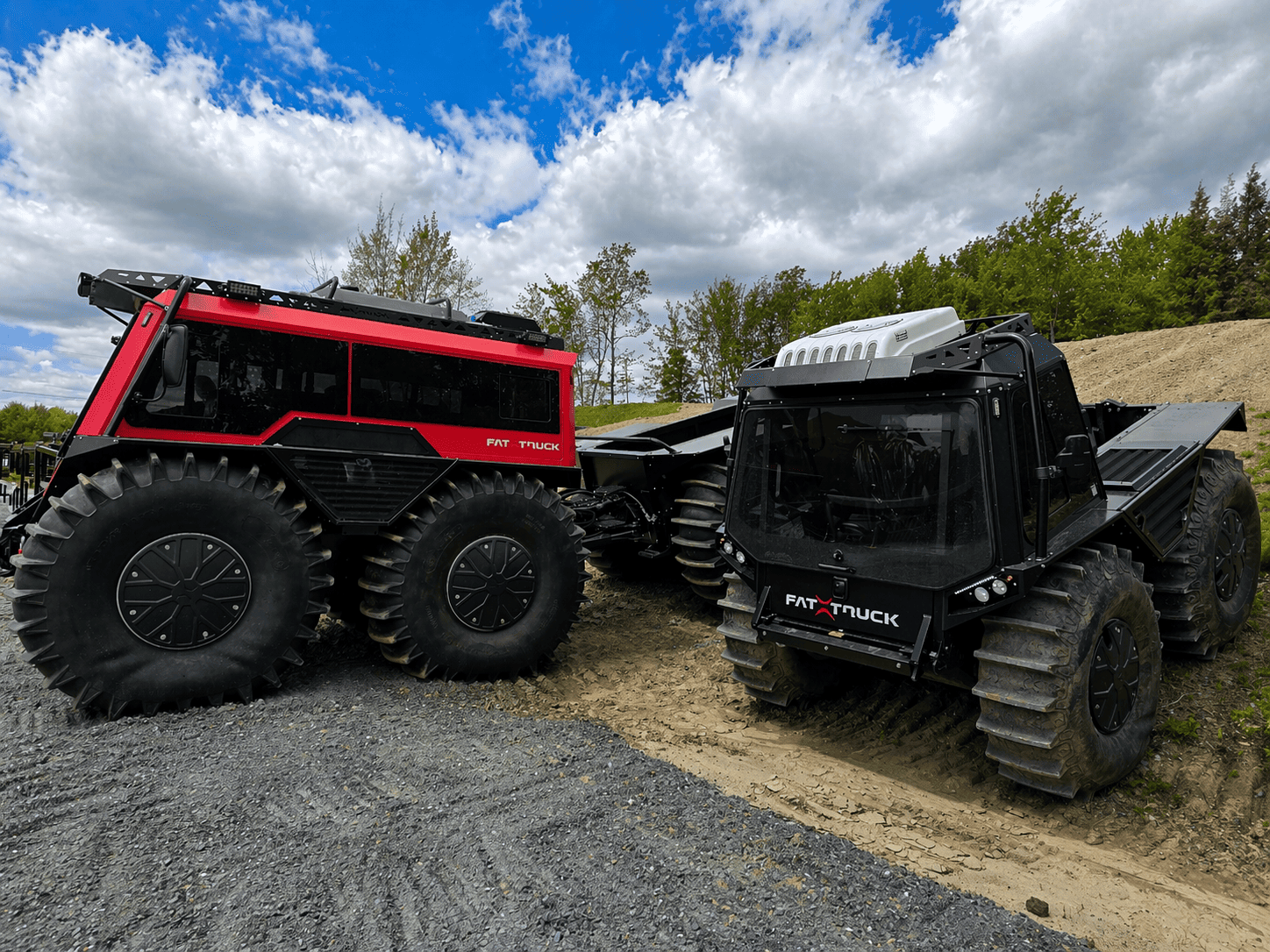
When to Rent a Fat Truck

The right choice depends on your project scope, terrain, timeline, and how often you need access to difficult locations.

Choosing the Right Solution for Your Operation

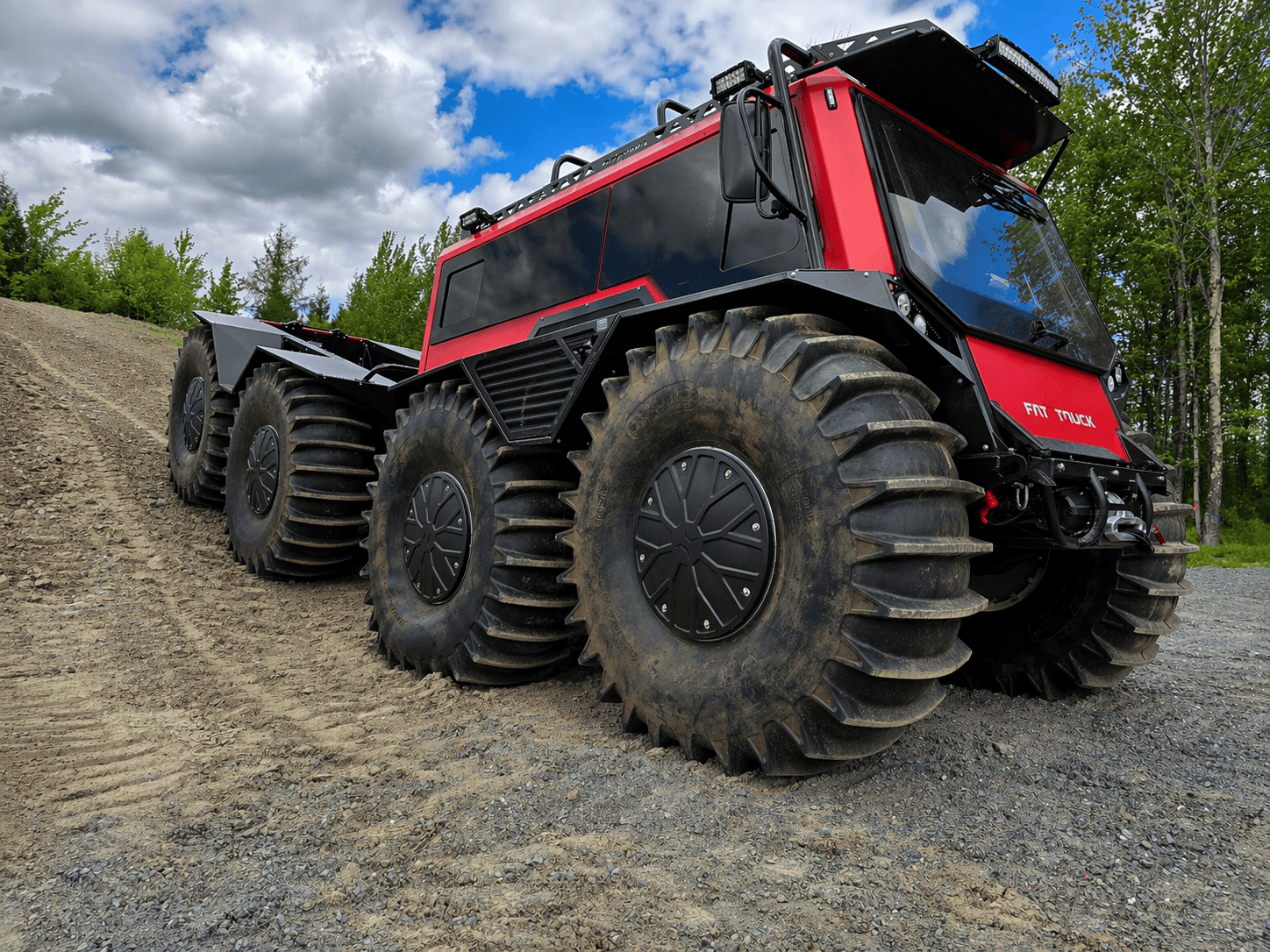
Renting a Fat Truck is often the fastest and most practical way to solve access challenges in remote, flooded, muddy, or difficult terrain. For many organizations, a rental provides the capability they need right away, without the long-term cost, maintenance, or storage responsibilities that come with ownership.

Wetland Equipment helps you with everything needed regarding Fat Truck rental use cases, from short-term project access to emergency response, utility work, and seasonal operations. If your team needs to move people, tools, or equipment through terrain that standard vehicles cannot handle, renting may be the right fit.

Short-Term Projects and Remote Access

Renting a Fat Truck makes sense when your team needs temporary access to a difficult location. Not every project requires a permanent equipment purchase, especially when the work has a defined timeline, a limited scope, or a specific access challenge that may not repeat often.

Common short-term rental scenarios include temporary job sites, remote work areas, undeveloped properties, wetlands, soft ground, and off-road locations where standard trucks, UTVs, or heavy equipment may struggle. In these situations, the goal is not just mobility. The goal is getting crews and equipment where they need to go without losing time, damaging terrain unnecessarily, or delaying work because access is unreliable.

A Fat Truck rental gives your team a practical way to reach locations that would otherwise be difficult or inaccessible. Once the project is complete, the rental ends, allowing your organization to solve the immediate access problem without taking on a long-term investment.
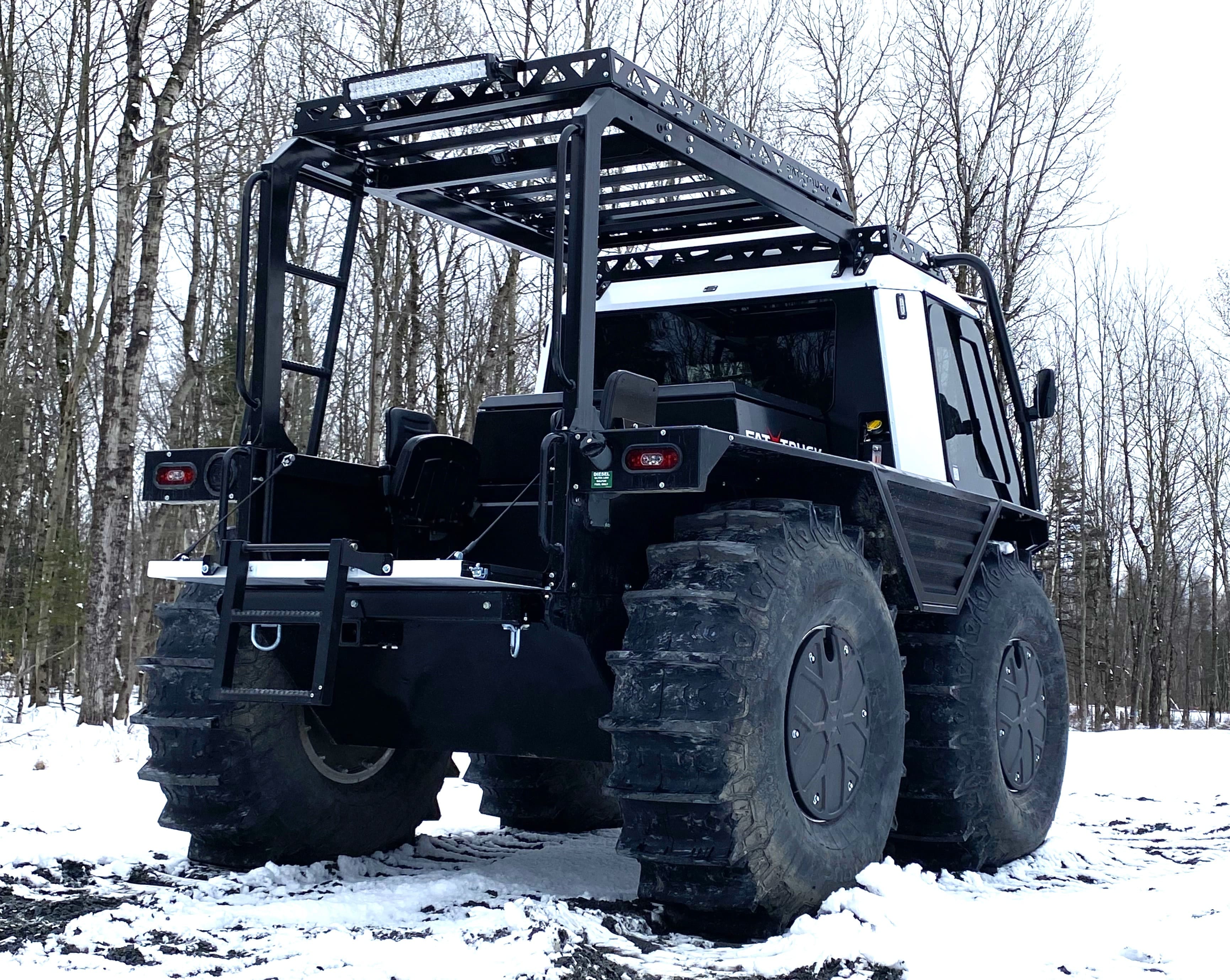
Oil and Gas and Pipeline Work

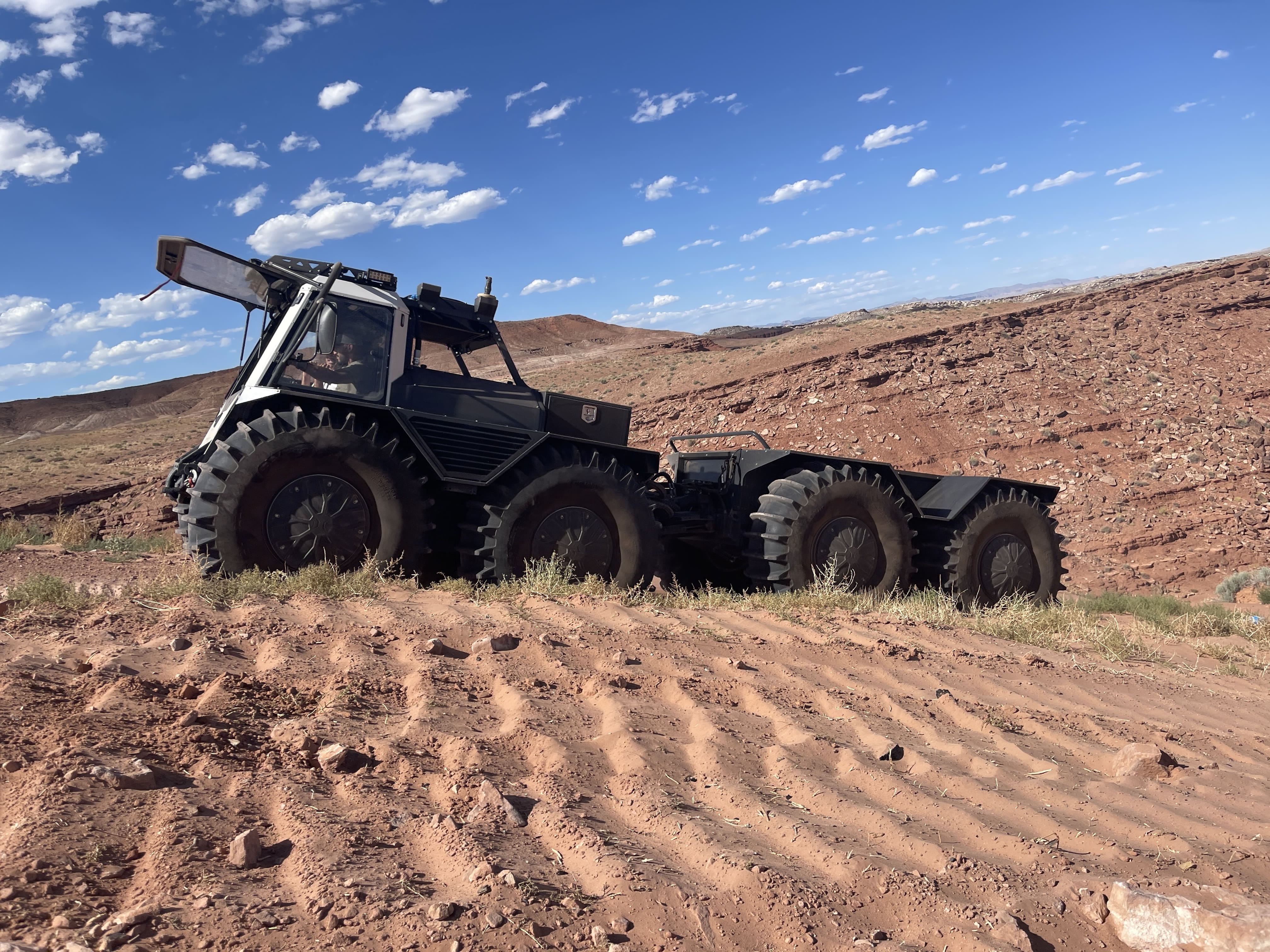
Oil and gas operations often take place in remote areas where access can change quickly based on weather, terrain, and site conditions. Pipeline routes, inspection points, and field locations are not always reachable with conventional vehicles, especially when soft ground, standing water, snow, or rugged terrain create delays.

Fat Truck rentals are commonly used for pipeline inspections, remote site access, crew transport, and moving tools or equipment across difficult ground. For operators and contractors, the ability to rent equipment for a specific project can be especially valuable when job locations vary from one assignment to the next.

Renting also helps support flexibility. Instead of purchasing specialized equipment for one route, one season, or one temporary project, teams can bring in the right vehicle when the need arises and return it when the work is complete.

Check Rental Availability

Utility and Infrastructure Work

Utility and infrastructure teams often deal with access problems that are urgent, unpredictable, or tied to difficult terrain. Storms, flooding, downed lines, remote maintenance sites, and off-road corridors can all create situations where standard fleet vehicles are not enough.

Common Fat Truck rental uses for utility work include storm response, recovery support, maintenance access in remote areas, crew transport, and off-road mobility for tools and equipment. When the work involves power, communications, water, drainage, or other critical infrastructure, delays can affect more than just the project schedule.

Renting allows teams to deploy quickly without waiting for a long procurement process. It also gives organizations the ability to add specialized off-road capability when they need it most, instead of carrying that cost throughout the year.

Emergency Response and Recovery

In emergency situations, speed and access are critical. Flooded roads, unstable ground, washed-out access points, and remote response zones can prevent traditional vehicles from reaching the people, property, or infrastructure that need attention.

Fat Truck rentals may be used for flood response, disaster recovery, rapid deployment, and access through unstable terrain. These vehicles are designed for challenging environments where mobility matters and where waiting for conditions to improve may not be realistic.

For emergency teams, contractors, municipalities, and support organizations, renting can provide immediate access to specialized equipment without requiring a permanent fleet expansion. When the situation is temporary but urgent, a rental can help bridge the gap between need and response.

Talk to Our Team

Seasonal or Intermittent Work

Some operations only need specialized access equipment during certain times of the year. Wet seasons, flooding, snow, thawing ground, and seasonal land management work can all create short-term mobility problems that do not justify year-round ownership.

Common seasonal rental scenarios include flooded terrain, marsh or wetland access, land management, remote property work, and occasional projects where access needs are hard to predict. In these cases, renting can help teams stay productive without maintaining a vehicle that may sit unused for long stretches.

Seasonal rentals also give organizations more control over costs. Instead of purchasing, storing, servicing, and insuring equipment all year, they can rent the vehicle during the period when it is most useful.

Upper Heading

Why Renting Works for These Situations

Renting works best when flexibility matters. If your access challenge is temporary, project-based, seasonal, or unpredictable, a rental can provide the capability you need without forcing your organization into a long-term commitment.

No Long-Term Commitment

Rent for the duration of your project and return the equipment when the work is complete.

Immediate Availability

Get specialized off-road capability when you need it, without waiting on procurement or delivery timelines.

Equipment Matched to Your Project

Choose the right Fat Truck configuration for your specific terrain, crew size, and operational requirements.

Lower Upfront Investment

Avoid the capital cost of ownership and allocate resources toward the work itself.