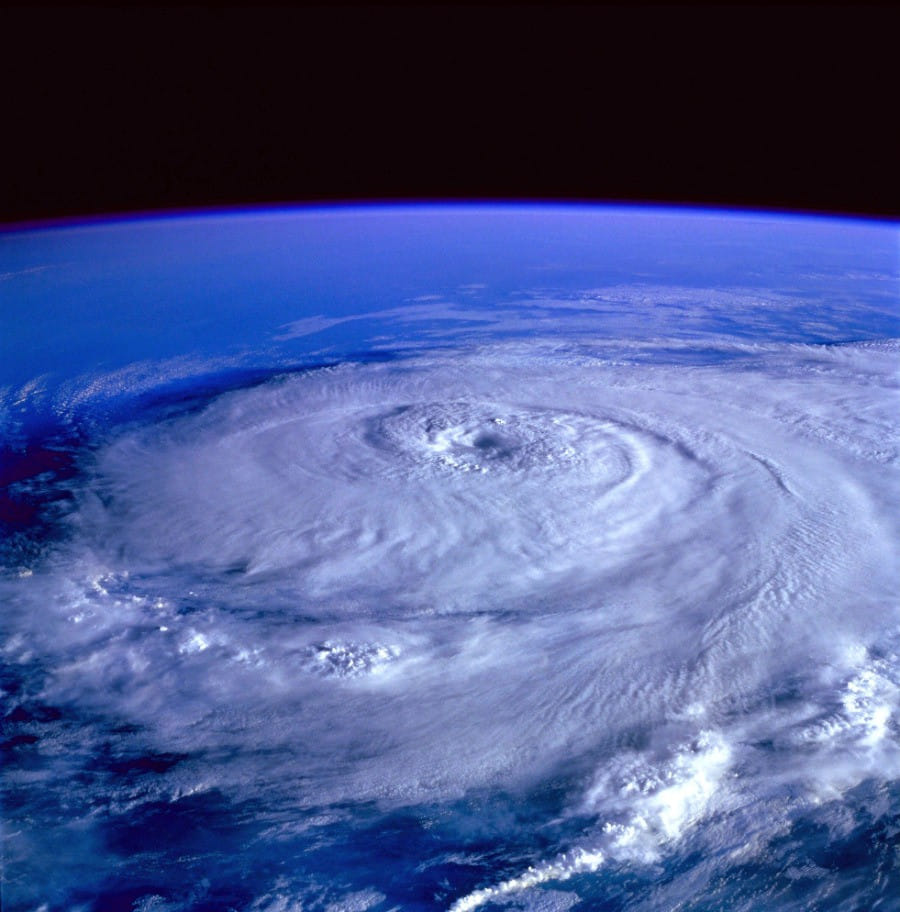
11 Steps to Prepare Your Worksite for Hurricanes
Hurricanes, synonymous with late-summer, officially starts on June 1st, as stated by the National Oceanic and Atmospheric Administration. To ensure your safety and that of your workplace, it's imperative to devise a plan well ahead of the hurricane peak season. Be it in construction or farming, here are Wetland Equipment’s 11 vital steps for hurricane readiness at your worksite.
1) Monitor Weather Patterns
While hurricanes typically provide ample warning, it's crucial to stay updated. Designate a supervisor or safety coordinator to check weather updates and track incoming storms consistently. Consider registering for alerts from the National Weather Service on your mobile device for real-time notifications.
2) Fortify Your Worksite
While you can't alter weather patterns, you can mitigate potential wind and debris damages by following Wetland Equipment’s hurricane worksite tips:
- Secure all vehicles in the designated area.
- Store all unsecured items, from small tools to movable toilets, indoors or fasten them securely.
- Ensure dumpsters are grounded and sealed tightly.
- Store essential documents in safes that are resistant to both water and fire.
- Deactivate electric connections and take out temporary links.
- Strategically position sandbags at ground-level entries.
- Seal wall gaps and secure windows with boards.
- Reinforce structural components.
- Dismantle non-permanent fixtures.
- Secure and take down any scaffolding.
- Fasten partial roofing securely.
- Shut down propane supplies.
- Protect open digging sites.
3) Secure or Shift Wetland Equipment
For sites close to water bodies, consider moving bulky machines to safer locations, away from possible floods. If equipment stays on-site, position it at the highest spot, preferably sheltered. Strap down machines, and compact them by pulling in any extensions. Clear cabs of loose items to prevent wind-induced damages.
4) Safeguard Materials
Items prone to becoming wind-borne, such as metal sheets or plywood, must be anchored. Prevent chemical leaks from contaminating water sources by securing hazardous substances, or shifting them to safer locations. Loose materials like sand, soil, feed, or mulch should be shielded. Setting up temporary wind barriers can help contain these materials.
5) Gather Essential Supplies
Potential post-storm access restrictions mean you should be well-stocked in advance. Essential items to store include:
- Battery-powered lights and extra cells
- Emergency power generator
- First aid essentials
- Mobile power banks
- Radio running on batteries
- Sealed water bottles
- Week-long stock of animal feed and water
6) Safeguard Livestock
If immediate evacuation of sizable livestock isn't feasible for farming worksites, release them in expansive pastures on elevated grounds. They should have adequate natural protection like large trees. Avoid confining them in closed areas. If displaced by the storm, animals should be easily identifiable via tags, brands, or unique markings.
7) Maintain Response Readiness
Ensure your response plan is robust and actionable during or after a hurricane by:
- Outlining emergency exits and strategies for every structure.
- Maintaining ready-to-use vehicles and machines with a full fuel tank.
- Testing backup power sources and stocking up on additional fuel.
- Formulating a response strategy for fires, floods, exposed wiring, hazardous spills, and structural harm.
- Compiling a contact list for emergencies, inclusive of utility services, emergency teams, and every staff member.
- Organizing debris and water removal equipment.
- Engaging a team skilled in handling toxic cleanups if chemical spill risks exist.
8) Prepare Your Workforce
Reiterate and review your hurricane strategy with all team members, ensuring each task is allocated, and practice drills are conducted. All personnel should be clear about their duties, exit plans, and the location of emergency kits and refuge areas. Display the plan prominently and establish a communication system to notify staff about critical updates. Maintain a regular count of present workers and stay connected with those off-site.
9) Coordinate with Key Contacts
As a hurricane nears, communicating with certain entities is essential:
- Insurance providers: Ensure you're insured against hurricane-related damages and know the claims process.
- Building or Agriculture Departments: Gain insights into safety suggestions specific to your region.
- Local Law Enforcement and Animal Control: Understand their protocols in advance.
- Adjacent businesses or farms: Collaborate on preparations and recovery.
- Clients: Keep them informed about worksite status and anticipated resumption timelines.
- Suppliers: Ascertain their contingency plans and emergency supply options.
10) Document with Photos
Before the storm approaches, capture the current state of your worksite. Post-storm, photograph the aftermath. This comparison provides a clear view of hurricane impacts, aiding you, your clients, and insurance adjusters.
11) Evaluate Post-Hurricane Conditions
After the storm's passage, it's crucial to document and evaluate potential dangers, such as fragile buildings or fallen power cables. Ensure the safety and well-being of all team members. For farms, be alert to animals possibly birthing around or during severe weather conditions, ensuring their safety too. For wetland areas, see how the hurricane might have affected the waterways and ground.
Get the Best Wetland Equipment for Sale Today
It’s not uncommon for plenty of cleanup to be done after a hurricane. Even in areas that are normally dry, displaced water and heavy rains means that amphibious equipment is needed to expedite the clearing process. That’s where Wetland Equipment comes in with the best custom amphibious excavation equipment and swamp buggies around, able to handle everything and more that you throw at them.
If you’re ready to elevate your equipment or get into the best wetland excavators around, reach out to Wetland Equipment today via phone or email to get started and learn more!

Why Attachments Matter More in Wet Work
Wetland projects rarely give you the luxury of perfect footing or wide open swing space, which means every movement needs to do real work instead of wasting time on repositioning. Attachments let you shape, cut, lift, pump, and place materials while the carrier stays as stable as possible, even when the ground wants to shift under load.
Attachments also protect your margins because they reduce rework. A bucket that grades cleanly, a cutter that leaves an even finish, or a grapple that controls awkward debris can save hours that would otherwise get burned on cleanup, material handling, and chasing a “good enough” result.
What Makes an Attachment Wetland-Ready?
A wetland-ready attachment is built for constant moisture, gritty sediment, and surprise impacts from submerged stumps or riprap. Better sealing, smarter hose routing, durable wear edges, and hardware that resists corrosion all matter, especially when the workday includes dunking and dragging through abrasive muck.
Design matters just as much as materials. In wetlands, you want attachments that shed mud instead of carrying it, that move volume without creating suction battles, and that keep the machine’s balance predictable when you are reaching over soft edges or working from mats.
Disclaimer: your personal information will not be shared.
About Us
Products
Copyright© 2025 Wetland Equipment | All Rights Reserved