

Fat Truck Demos at Our Louisiana Facility or Your Site
We'll Get You There
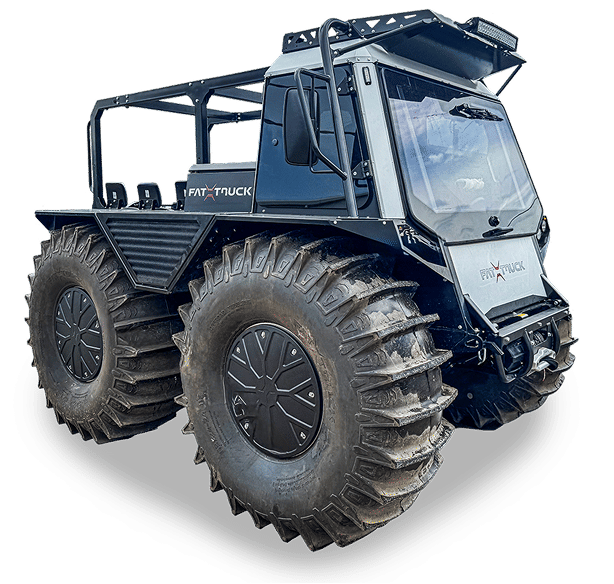
Choosing an amphibious machine is rarely a simple yes or no decision, because the real question is whether it will perform when the ground turns to soup, the route includes water, and the job still needs to stay on schedule. A Fat Truck demo gives you the clearest path to an answer because it moves the conversation from specs and opinions to real traction, real flotation, and real operator feedback. Wetland Equipment helps you run that demo with purpose, so you can compare amphibious and off-road options without guessing.
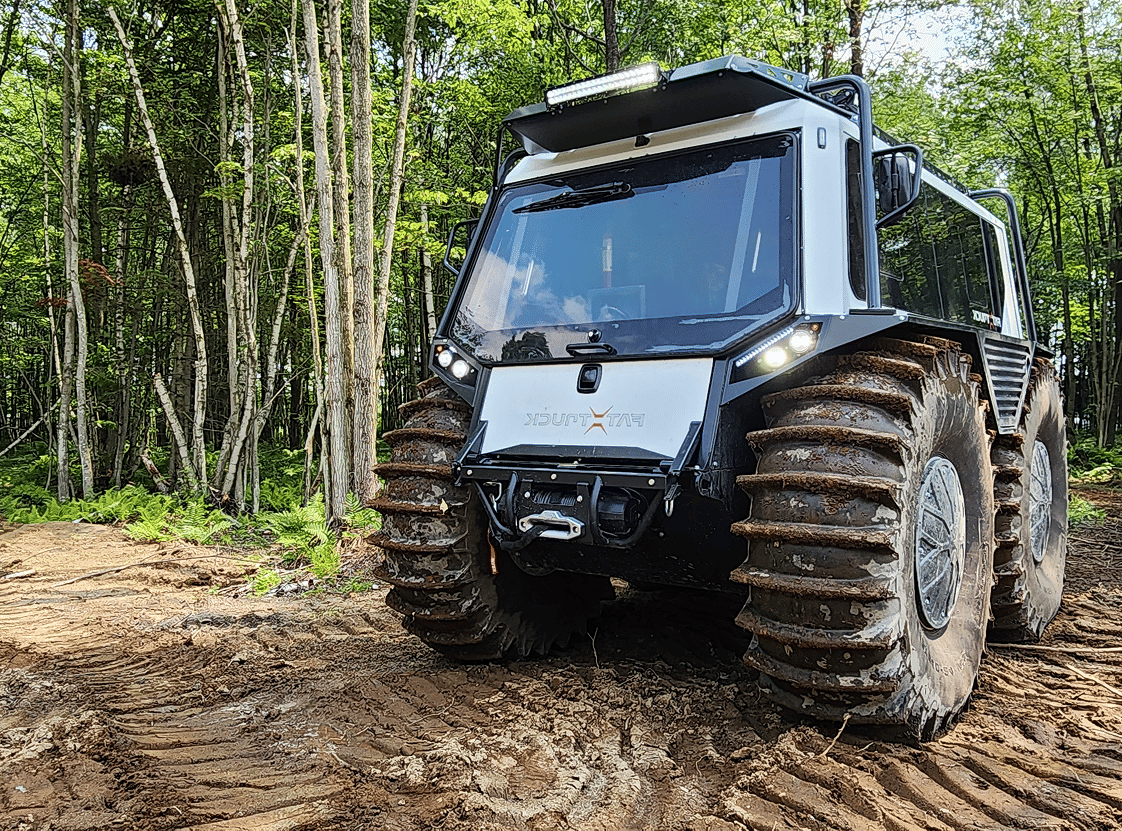
Why a Fat Truck Demo Beats a Spec Sheet
A spec sheet can tell you dimensions, ratings, and features, yet it cannot tell you how confidently an operator can hold a line through ruts, climb out of a slick low spot, or transition from shoreline to water and back without drama. A demo puts the machine where your problems live, which is the only place performance claims become meaningful. That shift matters when you are comparing amphibious solutions to conventional off-road vehicles that may look similar on paper but behave differently on soft ground.
A Fat Truck demo also protects you from overbuying or underbuying, since the best machine is the one that matches your site, your payload, your crew, and your operational tempo. Some teams need maximum confidence in water transitions, while others care most about low ground pressure and predictable mobility across boggy flats. A demo lets you weigh those priorities with your own eyes, then translate that experience into a purchasing decision you can defend internally.
Planning the Demo for Fast, Clear Decisions
1. Discovery Call
Wetland Equipment gathers site conditions, payload needs, access constraints, and the exact problems you want the demo to answer. Clear goals keep the demo focused and prevent wasted time.
2. Route and Scenario Design
The demo route is planned around your real terrain and workflows, including soft ground, transition points, and any water elements that are part of the job. This structure turns the demo into a true comparison, not a presentation.
3. On-Site Demonstration
The Fat Truck is demonstrated in a safe, controlled way that still reflects real conditions, with checkpoints that match your evaluation criteria. Your team gets meaningful observation time, not a rushed overview.
4. Operator Evaluation
When appropriate, operators can experience handling and control so feedback reflects real usability, not assumptions. Practical impressions often reveal details that specifications never show.
5. Debrief and Next Steps
Wetland Equipment helps translate what you observed into a purchase path, including configuration considerations and operational planning. The end goal is a decision you can stand behind.
What a Demo Shows You
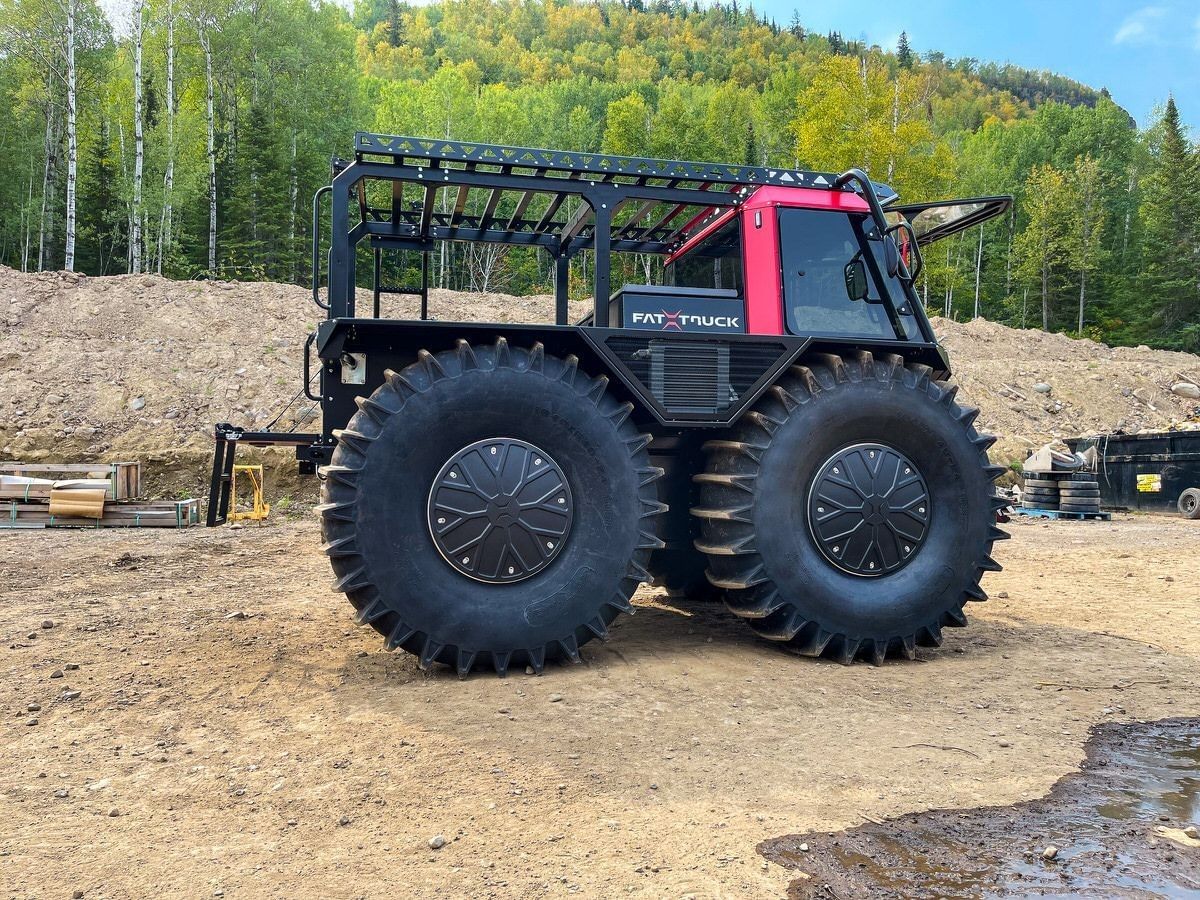
Wetland Equipment starts the demo process by learning how your work actually flows, so the route reflects real operating conditions instead of a staged scenario. Details like how often you stop, where you load, how terrain changes after rain, and which transitions create delays shape a more accurate demonstration. That alignment prevents a situation where a machine looks good in a controlled pass but fails to answer your real question. The goal is to understand how it performs under the same pressures your jobsite creates.
Planning continues with a practical route and clear performance checkpoints tied to your evaluation criteria:
- ✓ Terrain performance: how the machine handles saturated ground, uneven surfaces, and repeated passes without breaking down the route
- ✓ Load capability: how payload affects stability, flotation, and mobility in real conditions, not just rated specs
- ✓ Maneuverability: how easily operators can control the machine through tight areas, transitions, and changing terrain
- ✓ Real-world conditions: performance in mud, water, and mixed terrain where conventional equipment struggles
Wetland Equipment helps select an environment that is both safe and representative, then builds a sequence that shows capability without unnecessary risk. Operator comfort and control are also part of the evaluation, with time behind the controls when appropriate, so the demo leads to a confident, informed decision.
What to Have Ready Before the Demo
A quick description of your typical routes, including where the ground stays wet, where it breaks down after rain, and where recoveries tend to happen.
Your expected payload range and the kinds of loads you move, including whether the weight is static, shifting, or carried in repeated cycles.
Any known site limitations, such as narrow access points, slope concerns, sensitive areas, or water features that require careful entry and exit.
The number of operators who should evaluate the machine, plus the experience level of the crew that will use it most often.
Basic operational expectations, including frequency of use, distance traveled per day, and the consequences of downtime during critical windows.
See Real Performance in the Conditions That Matter
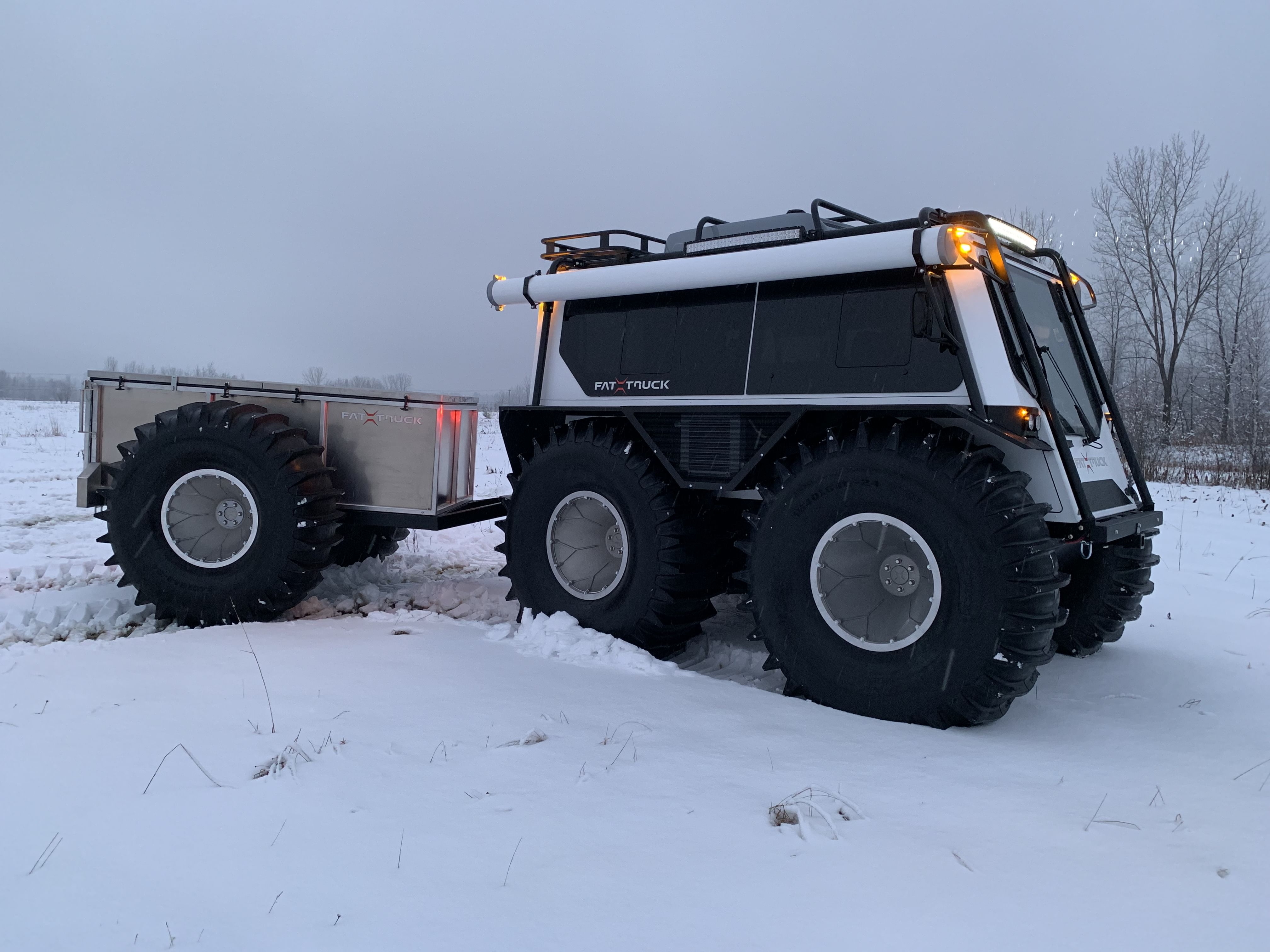
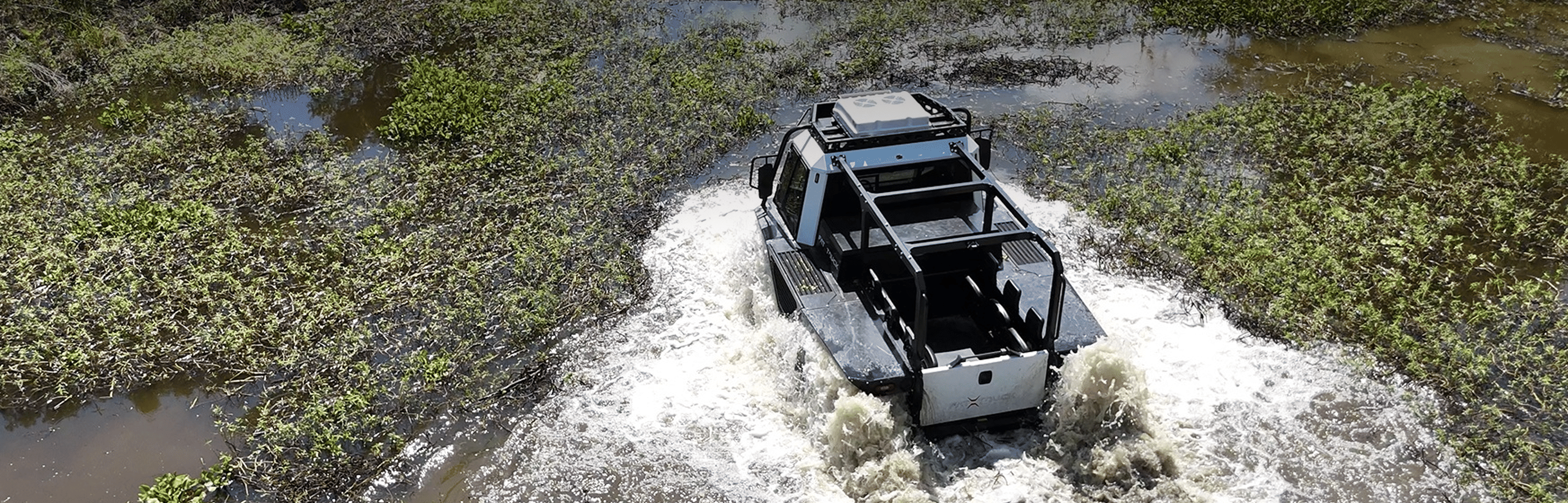
Soft ground performance is not a single number, because saturated soils behave differently depending on vegetation, layering, recent rainfall, and how often equipment has trafficked the area. A demo lets you watch how the machine carries itself, how it maintains traction without digging ruts, and how it stays composed when the surface gives way under load. Those observations are difficult to infer from general descriptions of “off-road capability.” Your project site, not a marketing phrase, is the true test.
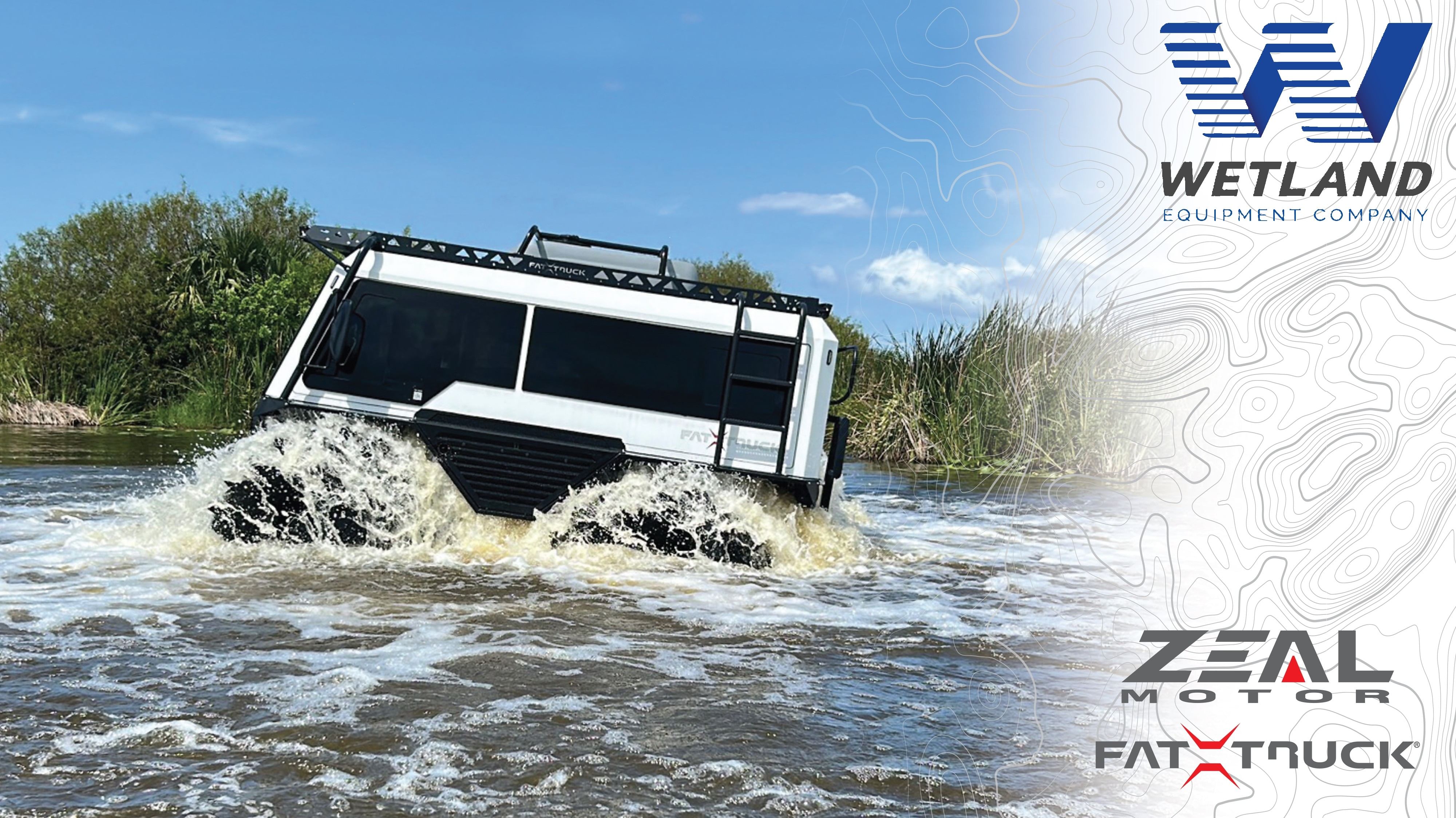
Water capability deserves the same real-world scrutiny, especially for teams that cross channels, work near shorelines, or operate in areas where the safest route involves water transitions. A demo shows how the machine enters and exits, how it tracks in water, and how predictable the experience feels for an operator who may need to do it repeatedly in changing conditions. That predictability is often the difference between a machine that looks amphibious and a machine that becomes a reliable part of the plan. Wetland Equipment structures the demo so your team can evaluate that reliability without forcing uncertainty.

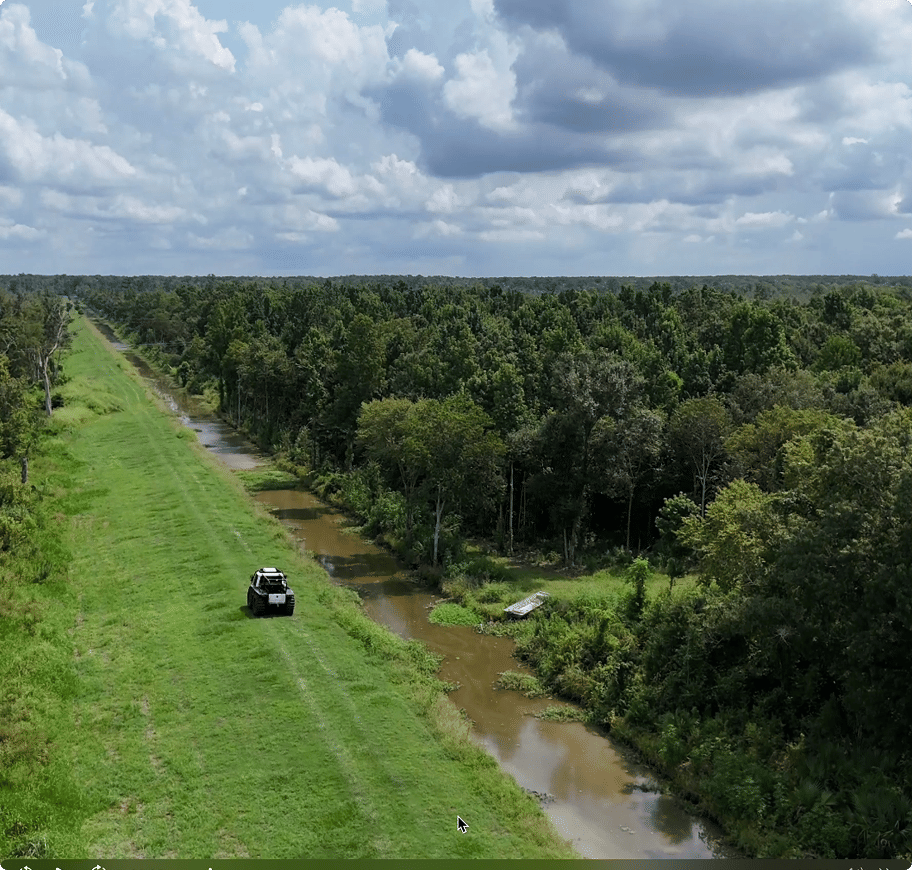
Wetland access and restoration work where saturated soils, soft approaches, and repeated trips create conditions that punish conventional wheeled equipment.

Utility and infrastructure support where crews need dependable mobility to move people, tools, and materials across challenging ground without constant recovery planning.

Oil and gas, pipeline, and right-of-way work where route variability demands a machine that can handle transitions from firm ground to marsh, then back again.

Search, rescue, and emergency response preparation where organizations need confidence that mobility remains available when conditions are worst, not when they are convenient.

Remote site support for environmental teams, survey crews, and maintenance groups that need a stable platform to reduce fatigue and keep productivity consistent.
Compare Amphibious and Off-Road Solutions the Smart Way
Comparisons get messy when the evaluation stays theoretical, because each category has strengths that can sound decisive in isolation. Tracked carriers can offer serious pull and stability, while wheeled off-road units may feel quick and simple on firm ground, yet both can hit hard limits when soils saturate or water becomes part of the route. A demo forces the comparison to focus on your constraints, including access points, recovery risk, transport logistics, and what happens after the site gets churned up mid-project. Decision-makers gain confidence when the evaluation reflects the reality of daily operations.
A strong demo also highlights hidden costs that rarely appear in a basic equipment comparison, such as the cost of ground remediation, delays from recoveries, crew fatigue, or the ongoing expense of workaround systems. Workarounds often become the plan by accident, because the machine cannot consistently reach the work area under all conditions. Wetland Equipment uses the demo to help you see whether the Fat Truck can simplify the plan by reducing those workarounds. A simpler plan usually means fewer surprises, which is often the real return on an amphibious platform.

Safety, Training, and Operator Confidence
A demo should build confidence without encouraging risky behavior, since a responsible evaluation still has to respect site hazards and crew experience. Wetland Equipment emphasizes safe operating practices during every demonstration, including controlled approaches to soft edges, mindful water transitions, and realistic use of payload so the evaluation stays relevant. Safety is not separate from performance, because the best machine is the one your operators trust enough to use correctly. Operator trust is earned through predictable handling and clear procedures, both of which become visible during a well-run demo.

UNMATCHED DURABILITY
Getting the Most Value From Your Demo Day
A demo delivers the most value when you treat it like a field test, which means observing with a checklist and capturing notes you can compare against other options. Wetland Equipment encourages teams to evaluate mobility, stability, and predictability across multiple passes, because single runs can hide the way terrain changes after repeated traffic. Observing how the machine performs after the ground has been disturbed often provides the most honest view of day-to-day reality. This approach helps you separate a machine that can do it once from a machine that can do it all week.
Decision-making also improves when the demo includes the people who live with the outcomes, including operators, site supervisors, and anyone responsible for safety and scheduling. Each group notices something different, which creates a fuller picture of whether the Fat Truck fits the operation. Wetland Equipment can help structure the day so everyone gets the right vantage point and time to evaluate without crowding the process. The result is a cleaner internal decision, because the demo answers objections before they turn into delays.

Fat Truck Demo FAQs
Yes, we offer free demos at our location. On-site demos are available for a fee, which may be reduced if combined with other demos or scheduled alongside transport routes.
Demos are structured around real-world performance, including terrain handling, maneuverability, and operational use based on your application.
Demo length varies depending on the terrain, evaluation goals, and scope of the demonstration.

Schedule Your Fat Truck Demo With Wetland Equipment
Choose Wetland Equipment for the best Fat Truck demo services around, then put real performance in front of your decision-makers. Reach out to schedule an amphibious vehicle demo that matches your terrain, your payload needs, and your real operating conditions. If the demo confirms the fit, the next step is typically a rental or configured unit based on your operation.
Disclaimer: your personal information will not be shared.
About Us
Products
Copyright© 2025 Wetland Equipment | All Rights Reserved