How Fat Truck Rentals Work

Renting a Fat Truck is designed to be straightforward, although the right rental setup depends on your project, terrain, timeline, and operational needs. Some jobs require short-term access to difficult ground, while others involve seasonal work, emergency response, or a longer evaluation before ownership.

Learn more about how the Fat Truck rental process typically works, what information helps move the process forward, and what you can expect before equipment is deployed. When you are ready, the next step is to check rental availability and talk through the details of your project.

Start With Your Project

The Fat Truck rental process begins with a clear understanding of where the vehicle will be used and what it needs to accomplish. Since every worksite is different, the goal is not simply to rent a machine, but to match the right equipment and configuration to the conditions you expect in the field.

Sharing these details early helps clarify which rental options may be available, how the equipment may need to be configured, and what logistics should be discussed before the rental begins.

Terrain Type

Wetlands, mud, water, snow, muskeg, sand, or soft ground the vehicle will need to cross.

Duration of Use

How long the rental is needed, including whether the timeline is fixed or flexible.

Type of Work

What your crew will be doing on site, including the operational demands placed on the vehicle.

Crew and Transport Needs

How many crew members may need transport, along with any tools, supplies, or specialized equipment that need to move with the team.

Equipment Configuration

Whether specific attachments, cargo capacity, or load requirements affect how the vehicle needs to be set up.

Access Route

The path from staging area to jobsite, including water crossings, soft ground, or other conditions the vehicle will encounter.

Rental Availability and Setup

Rental availability depends on inventory, scheduling, equipment configuration, project location, and transportation logistics. Because Fat Trucks are used in specialized environments, availability can vary, especially during busy seasons or for projects with urgent deployment needs.

Equipment may also need to be configured based on the intended use. A rental for remote utility access may not require the same setup as a rental for emergency response, environmental work, or amphibious operations, so it is important to discuss the full scope of the job before finalizing the rental.

The purpose of this step is to make sure the rental fits the real-world application. Rather than offering a one-size-fits-all solution, the process focuses on matching the vehicle, timing, and support expectations to your specific use case.
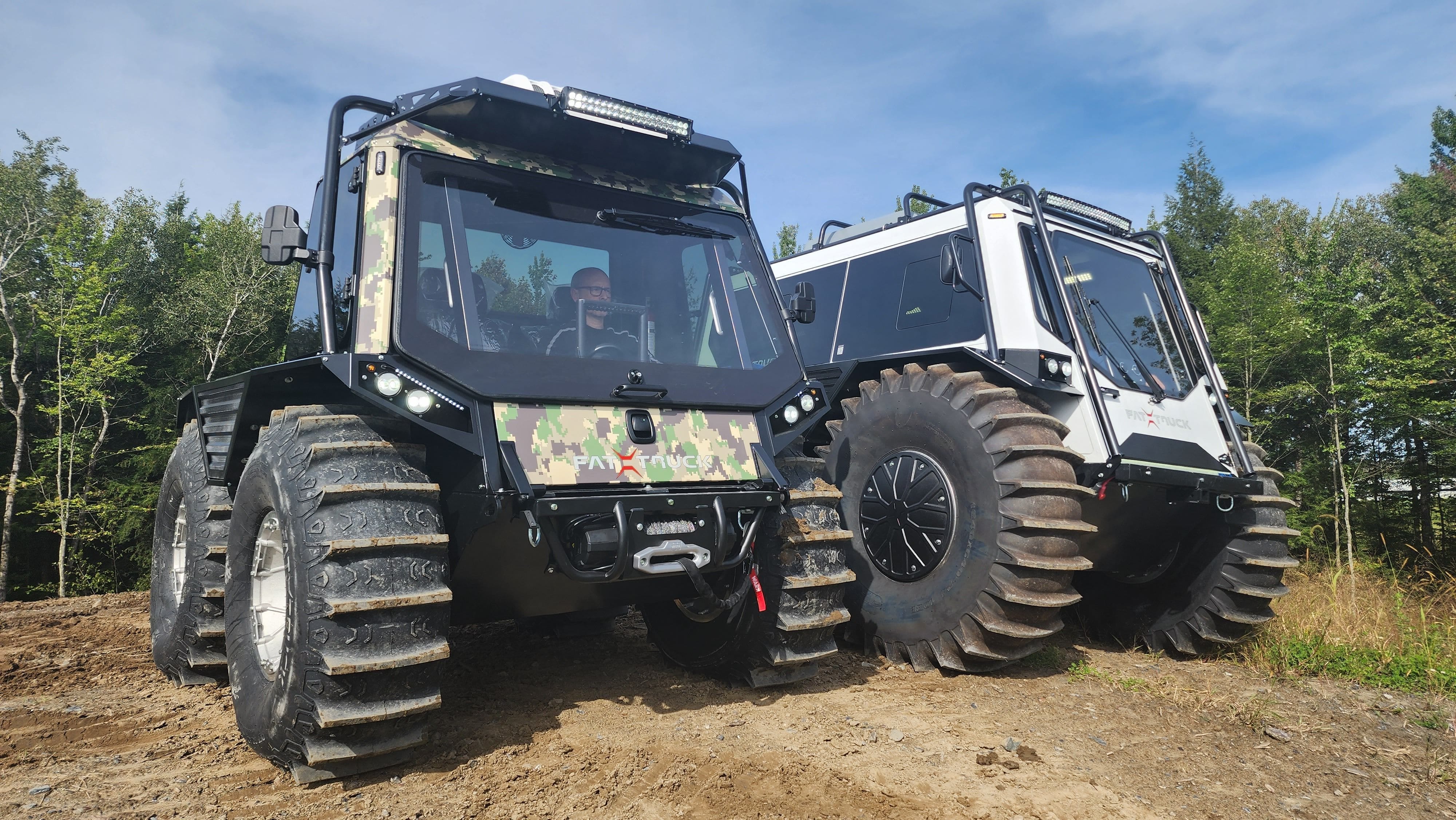
Employee sitting in fat truck waiting for insructions to begin project

Common Use Cases

What Rentals Are Typically Used For

Fat Truck rentals are commonly used when organizations need immediate access to challenging terrain without committing to a long-term purchase right away. This can be especially helpful when a project is temporary, seasonal, urgent, or tied to a specific jobsite.

Common rental use cases include:

Short-Term Fieldwork

Project-based access for a defined period without a long-term commitment.

Remote Site Transport

Moving crews and equipment to sites that standard vehicles cannot safely reach.

Emergency Response

Rapid deployment to flood zones, wetlands, or unstable terrain during active incidents.

Recovery Operations

Accessing and extracting equipment or personnel from difficult or inaccessible ground.

Utility Work

Inspection, maintenance, and repair work in remote or off-road utility corridors.

Environmental Support

Wetland surveys, habitat access, remediation, and conservation projects in sensitive terrain.

Seasonal Operations

Access when difficult ground conditions limit the effectiveness of standard vehicles.

Project-Based Access

Flexible rental periods aligned to the scope and duration of a specific project.

For many teams, renting provides a practical way to solve an access problem quickly while also gaining firsthand experience with how the vehicle performs in the field.

Rental vs. Demo vs. Purchase

A rental, demo, and purchase each serve a different purpose, so it helps to understand which option fits your current stage of decision-making:

Rental

Rent a Fat Truck

A rental is typically used when the equipment is needed for real work in the field. The vehicle is expected to support an active project, help a crew reach difficult terrain, or provide access for a defined period of time.

Demo

Schedule a Demo

A demo is usually focused on evaluation. Instead of supporting a full project, a demo helps decision-makers see how a Fat Truck performs, how it handles specific terrain, and whether it may be a fit for future operations.

Purchase

Buy a Fat Truck

A purchase is the right direction when an organization needs a long-term operational solution. If difficult terrain access is a recurring challenge, ownership may offer more control, availability, and continuity over time.

From Rental to Ownership

Renting a Fat Truck can also be part of a longer decision-making process. For organizations that are considering ownership, a rental may provide valuable real-world experience before a purchase decision is made.

Using a Fat Truck in actual field conditions can help your team evaluate performance, crew fit, terrain capability, operator needs, and configuration requirements. This information can be difficult to judge from specifications alone, especially when the work involves wetlands, water crossings, mud, snow, or remote access routes.

In some cases, rental costs may be applied toward a future purchase, depending on the rental arrangement and purchase terms. This can help reduce risk while giving your organization practical experience before making a larger investment.

Common Questions About Rentals

  • The first step is to share information about your project, including where the vehicle will be used, what terrain it will encounter, how long you expect to need it, and what type of work your crew will be doing. From there, availability, configuration, and logistics can be reviewed.

  • Transport and delivery depend on the rental location, project schedule, equipment availability, and logistics required to move the vehicle to your site. These details should be discussed early so expectations are clear before the rental is finalized.

  • In many cases, equipment setup depends on the project requirements. Crew transport, tools, supplies, terrain, and operational goals may all affect how the rental is configured. The goal is to align the equipment with the work being performed.

  • Fat Trucks are designed for difficult off-road access, including soft ground, mud, snow, wetlands, and amphibious environments. The right rental fit still depends on the specific terrain, route, water conditions, payload needs, and jobsite requirements.

  • Support expectations should be discussed during the rental planning process. Depending on the rental arrangement, project location, and operational needs, assistance may include setup guidance, general use information, or coordination before deployment.

  • A rental can be useful for organizations that want to evaluate performance in real field conditions before deciding whether ownership makes sense. It can also help identify the right model, configuration, and long-term equipment needs.

  • In some cases, rental costs may be applied toward a future purchase, depending on the terms of the rental and purchase arrangement. This should be confirmed during the rental discussion so your team understands the available options.

Ready to Get Started?

If your project requires access to remote terrain, soft ground, water, mud, snow, or other challenging conditions, the next step is to discuss your needs and check rental availability. A short conversation can help clarify your timeline, terrain, crew needs, and equipment requirements.

The more information you can provide about your project, the easier it is to determine whether a Fat Truck rental is available and suitable for the job.

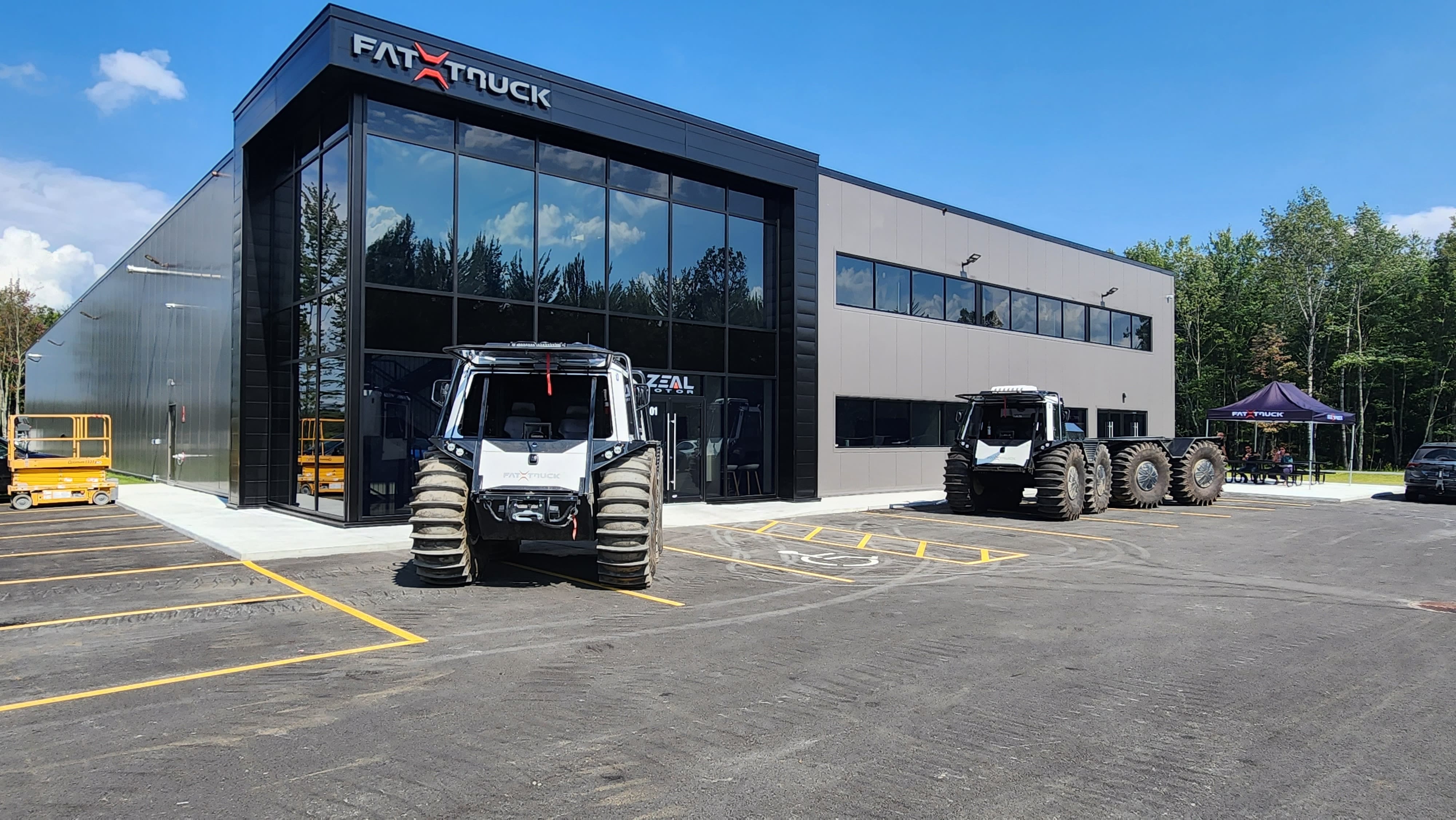
Fat Truck parking in lot for viewing by potential clients