
Do Amphibious Excavators Work in Deep Water?
While they are undoubtedly capable in shallow water, understanding their limitations and potential modifications for deep-water operations is key for determining their suitability.
While they are undoubtedly capable in shallow water, understanding their limitations and potential modifications for deep-water operations is key for determining their suitability.
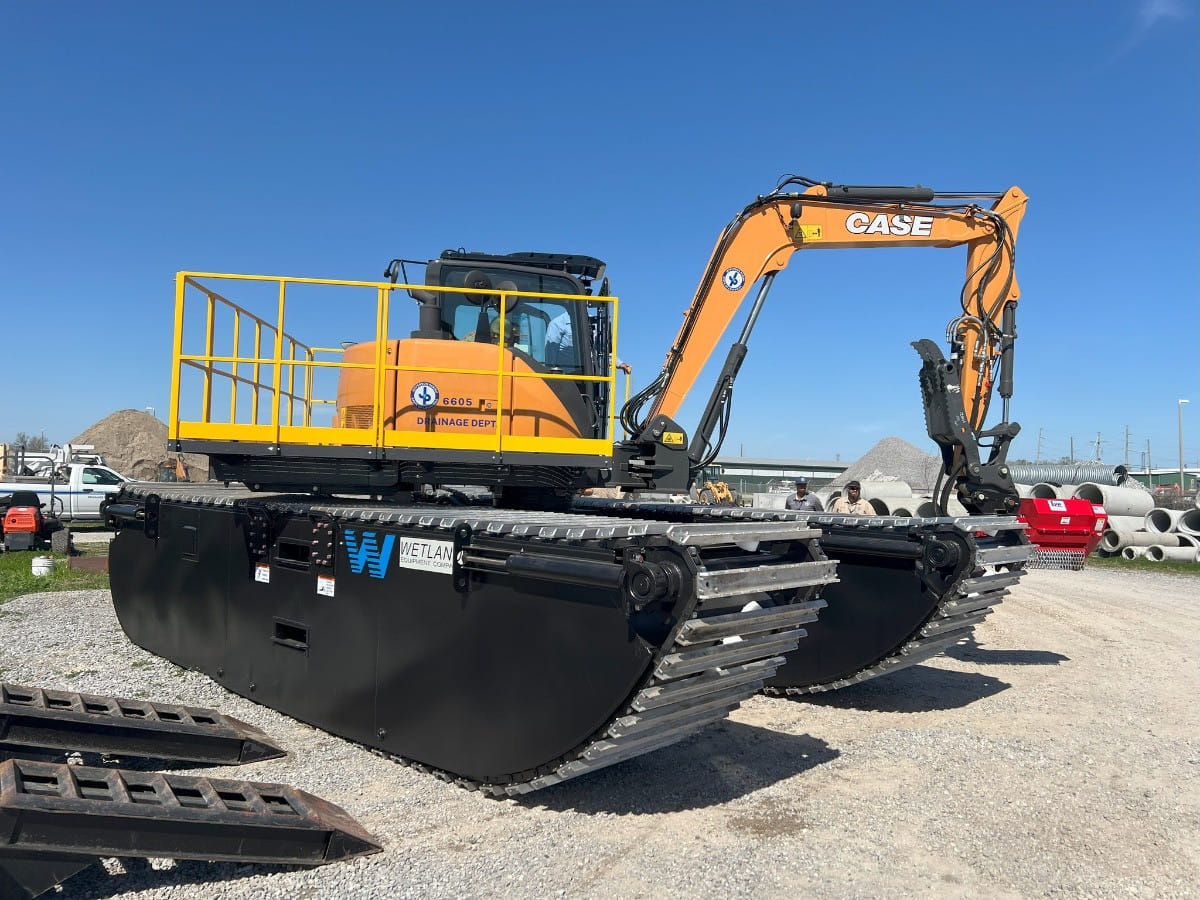
Wetland Equipment is a leader in the manufacturing and supply of amphibious excavators, offering innovative solutions for challenging wetland and aquatic environments.
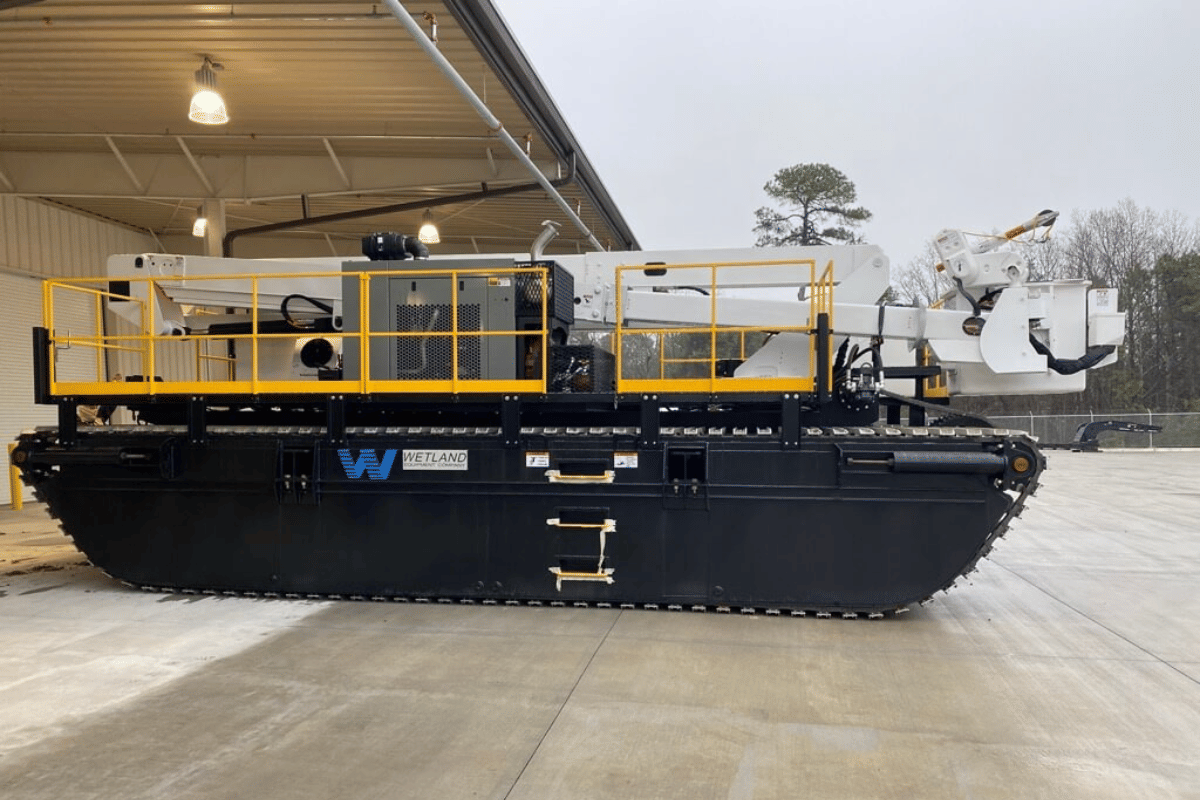
Amphibious carriers, in the context of construction, are heavy-duty vehicles designed with buoyant undercarriages that allow them to navigate both terrestrial and aquatic environments.

Dredging, the process of removing sediments and debris from the bottom of lakes, rivers, harbors, and other water bodies, has been a cornerstone of maritime development for centuries.

Winter presents unique challenges for wetland equipment maintenance, but proper preparation can protect amphibious excavators, swamp buggies, and other machinery from harsh cold conditions.
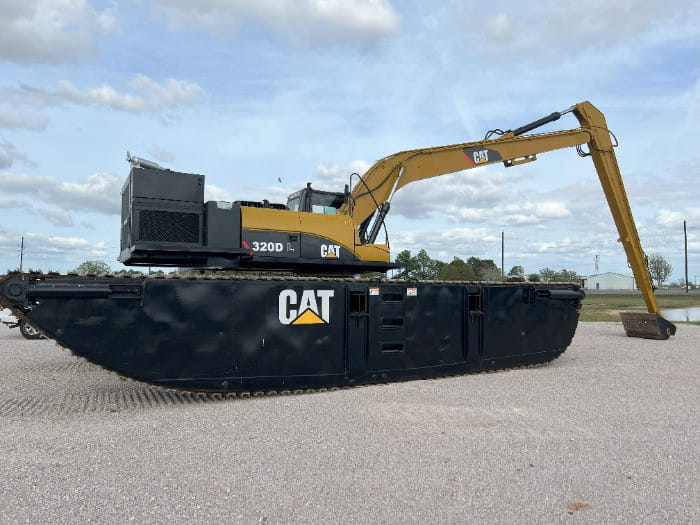
It is a WELL kept machine. 2148 hours and everything works perfectly.

Be it in construction or farming, here are Wetland Equipment’s 11 vital steps for hurricane readiness at your worksite.
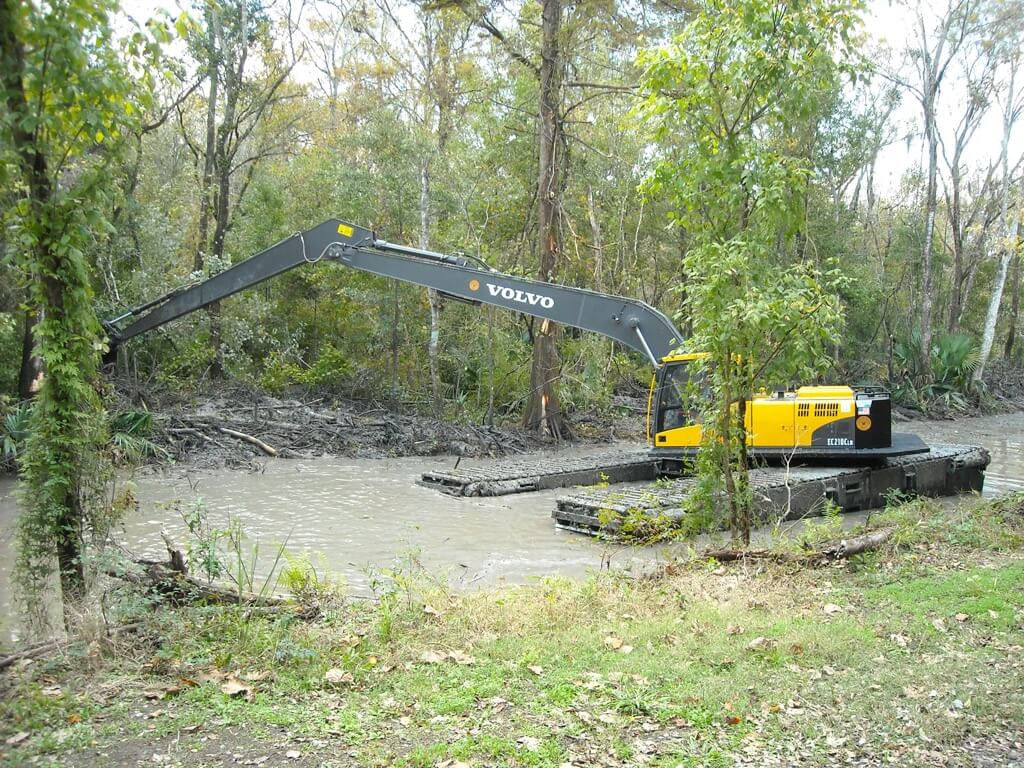
Are you seeking an equipment upgrade to manage challenging terrains with superior efficiency and control? Take a look at amphibious excavators!
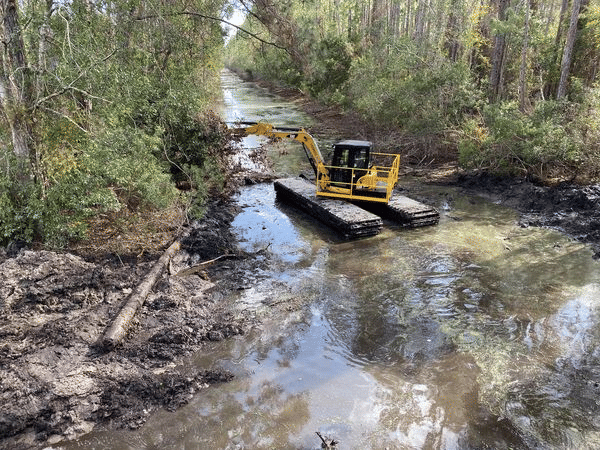
A swamp excavator, also known as an amphibious excavator, pontoon excavator, or floating excavator, is a type of digging machine that can perform dredging and similar tasks while remaining afloat in swampy terrain that would normally be inaccessible to traditional excavation machines.
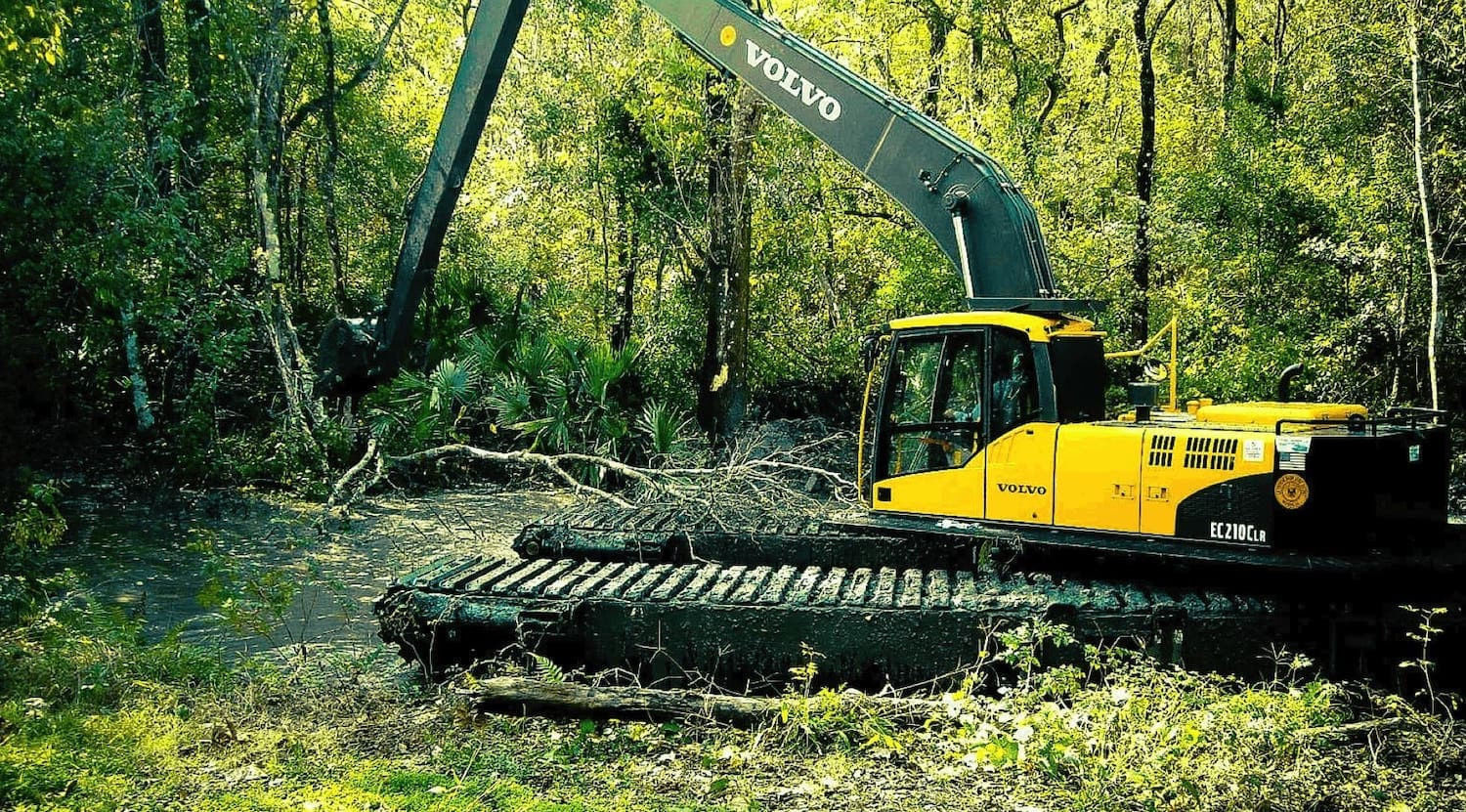
Can excavators float? If they’re Wetland Equipment’s custom swamp buggies, they sure can!
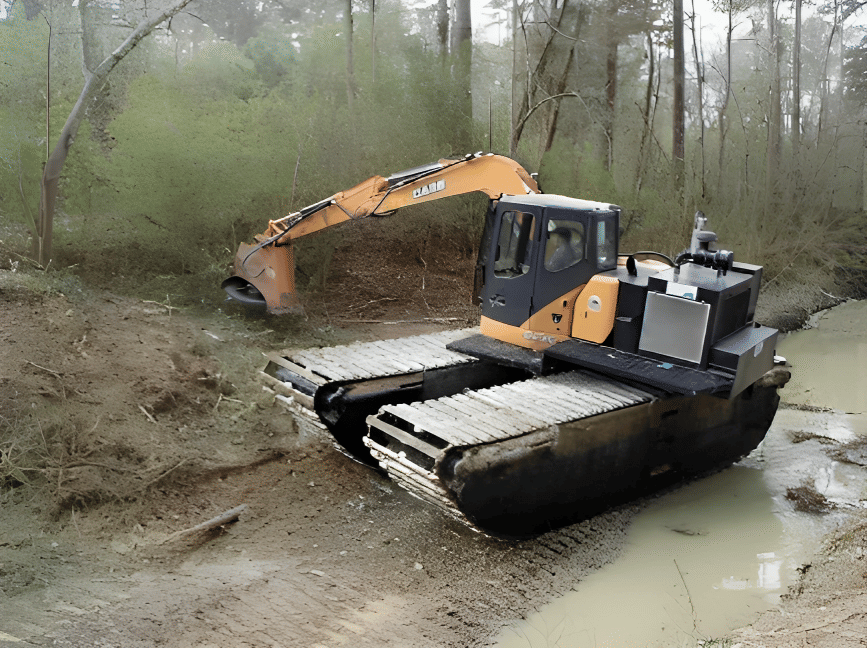
Amphibious excavators, as the name implies, have been designed to operate within wet areas where some serious mass-moving is needed. However, a wetland excavator is more than just a mechanical arm for leverage.
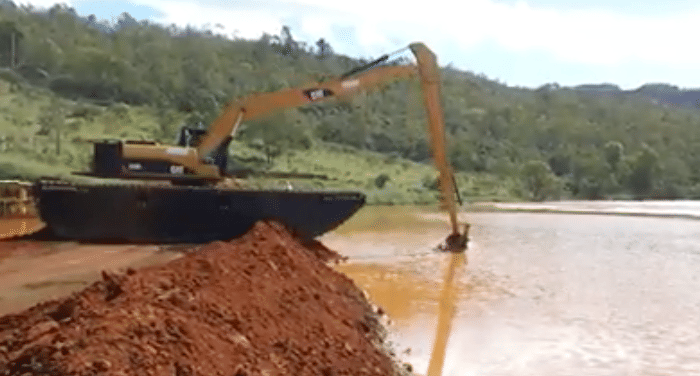
This is a Cat we did a few years ago for a great customer down South. Operator's first time on an amphibious excavator. Notice how he tests the depth of the water before entering.
Disclaimer: your personal information will not be shared.
Copyright© 2025 Wetland Equipment | All Rights Reserved