What is a Swamp Excavator?
What is a Swamp Excavator?
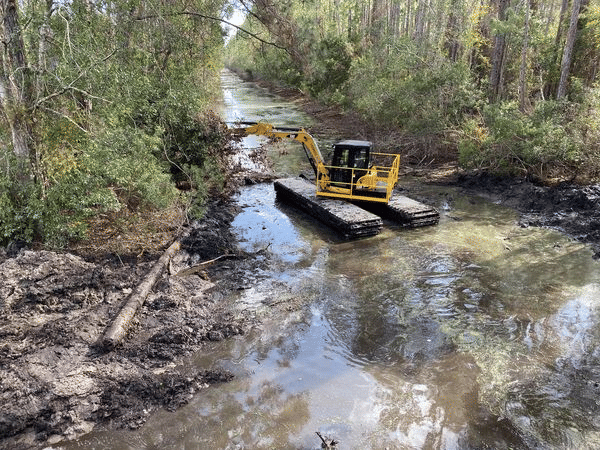
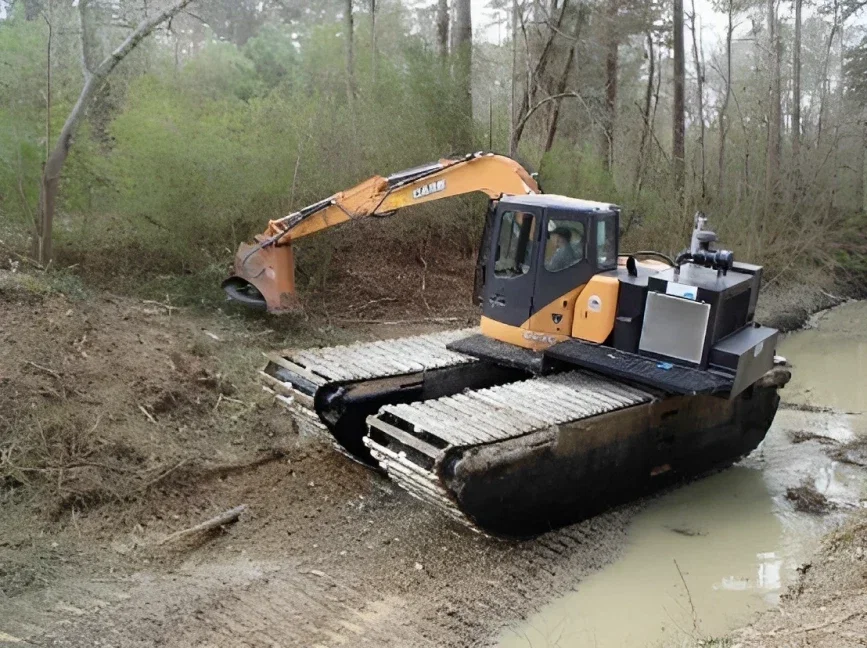
A swamp excavator, also known as an amphibious excavator, pontoon excavator, or floating excavator, is a type of digging machine that can perform dredging and similar tasks while remaining afloat in swampy terrain that would normally be inaccessible to traditional excavation machines. Swamp excavators are ideal for wetlands, swamp conditions, and shallow waters. Amphibious excavators make use of a variety of different pontoon systems and other accessories which make them invaluable for operating in even the most inhospitable conditions. When compared to barge-mounted dredgers, amphibious excavators are superior at removing silty clay, building terraces, and clearing slotted trenches.
How Does a Swamp Excavator Work?
How Does a Swamp Excavator Work? Amphibious excavators have a cab, boom, and attachment system similar to traditional excavation equipment. However, by making use of sealed pontoons to add buoyancy, the chassis crawler is able to work in especially swampy conditions. Additional weighted support prevents excessive arm swinging and rollovers during the excavation process. Buoyancy tanks in a dual-body boat form aid in movement across moderately deep waters. A reducer propels the crawler chain, allowing unrestricted and easy movement. An amphibious excavator's upper structure is modified to endure the wet conditions while still allowing for 360-degree rotation and full hydraulic operations.
Accessing Swamp Terrain Without Tracked Equipment
Swamp excavators are built to dig. Their pontoon undercarriage keeps them stable while they dredge, clear vegetation, and move material in ground that would swallow a standard machine. But not every swamp project calls for digging. Many jobs start with a simpler challenge: getting a crew to the site, hauling tools to a remote right of way, or inspecting a line deep in the marsh.
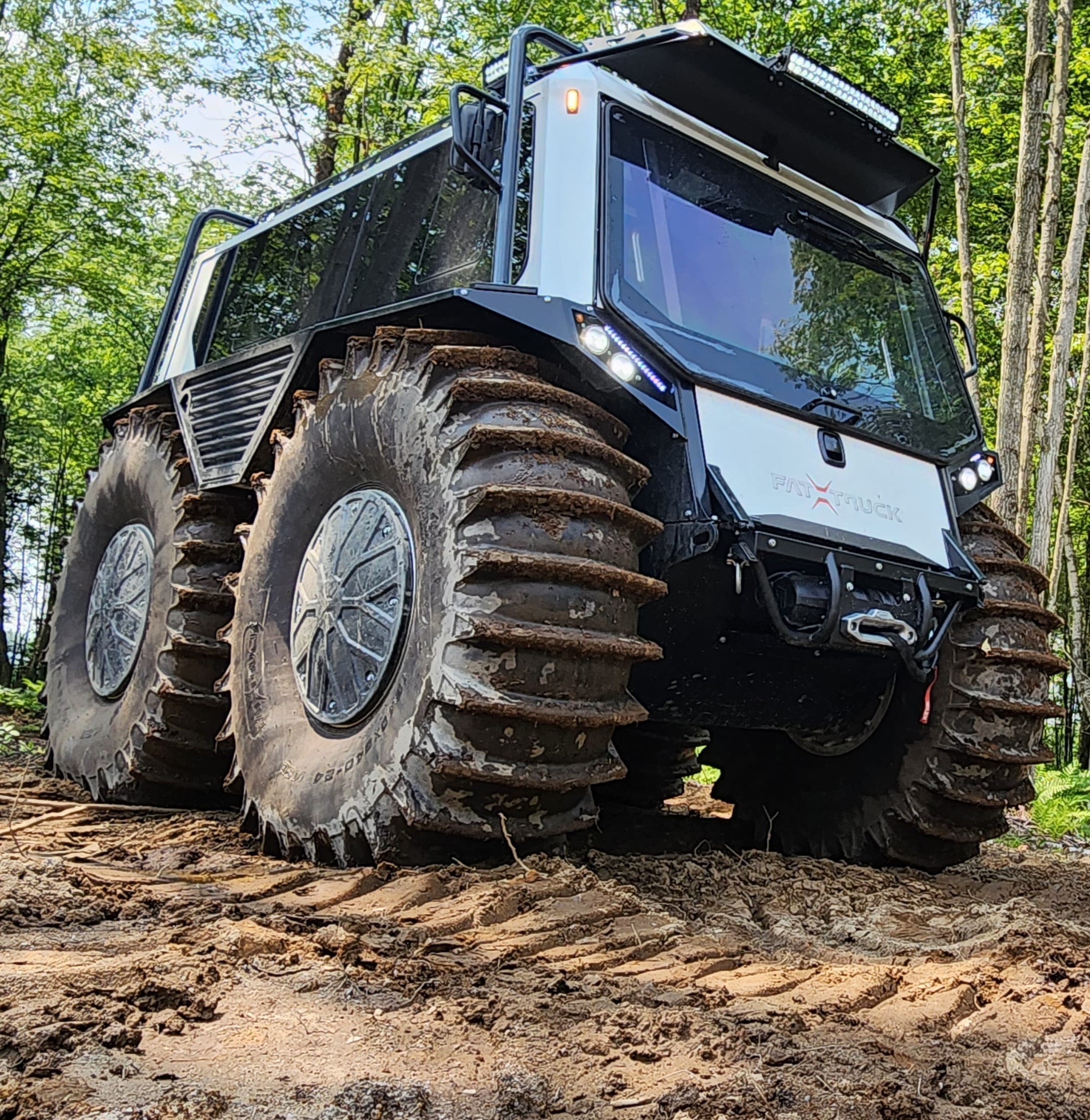
For that kind of work, wheeled amphibious vehicles are often the better fit. Instead of tracks or pontoons, they ride on oversized, low-pressure tires that spread their weight across soft mud and let them float through open water. They are lighter, quicker to mobilize, and easier on sensitive wetland ground than heavy tracked equipment.
Fat Truck amphibious vehicles are designed for exactly this role. They carry crews and gear across swamp, marsh, mud, and water. On larger projects, they pair naturally with a swamp excavator: the excavator handles the digging while the Fat Truck handles access and transport.
Planning work in swamp terrain? Explore our Fat Truck applications or see how crews are using them in the field in our Fat Truck case studies.
Sealed Pontoons
Sealed pontoons are the secret ingredients that allow swamp excavators to operate with ease in marshy environments. Typically manufactured from high-tension steel, the best amphibious excavator pontoons are resistant to saltwater and atmosphere corrosion. Multiple pontoons are used in order to better control an excavator’s balance. Each pontoon has multiple independent compartments that are watertight with various access points for maintenance. This allows for extra security which prevents the entire pontoon from becoming flooded with water in the rare event that the reinforced steel becomes compromised.
Since it's typically impossible to see what could possibly scrape the bottom of a pontoon in swampy waters, the best amphibious excavators will always have reinforced pontoons for operating in rough terrain. Hydraulic pumps with traveling motors, along with the excavator’s main engine, provide power for the pontoon tracks.
Common Swap Excavator Accessories
There are several different accessories that can be attached to a swamp excavator for increased versatility such as:
- dredging pumps
- demolition sorting grabs
- clamshells
- excavation buckets
- piling vibrators
- additional pontoons
- and more
The Best Swamp Excavators for Sale Today
Wetland Equipment customizes swamp excavators for several different industries so that construction can progress as planned. From swamp buggies to crew haulers and more, additional amphibious buggies and excavation equipment are also available for customization.
Reach out to us today via phone or email to learn more about how Wetland Equipment can help with the heavy lifting you need done on any terrain!
Disclaimer: your personal information will not be shared.
About Us
Products
Copyright© 2025 Wetland Equipment | All Rights Reserved