
How Noisy Are Amphibious Excavators?
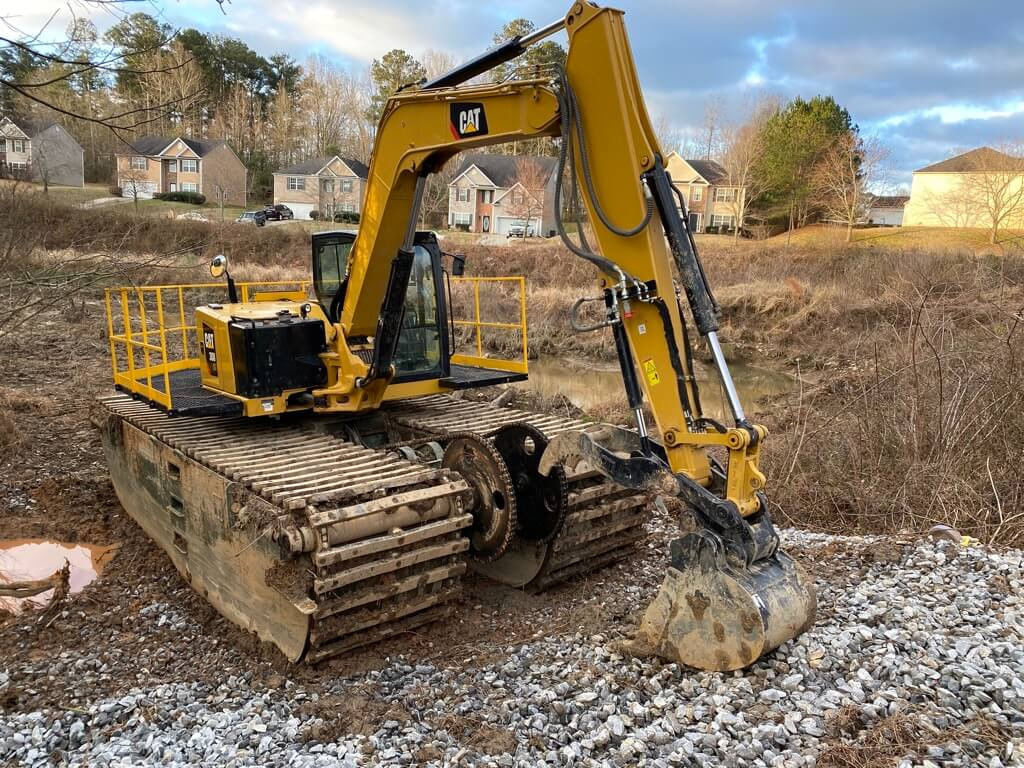
Noise is one of those jobsite realities that you only think about when it becomes a problem, which is why many crews ask how loud amphibious excavators really are before they commit to marsh, swamp, or shallow-water work. The short answer is that they are comparable to conventional excavators of similar size, yet the environment, attachments, and operator technique can make them seem louder or quieter than you expect. The longer answer is more useful, because it shows you how to plan for sound, protect your team and neighbors, and keep permits on track without slowing production.
What Counts as Noise on a Jobsite?
When people say “noise,” they are usually talking about airborne sound that reaches your ears, although what you feel through the controls or through the ground as vibration also matters. Crews notice engine roar, hydraulic hiss, undercarriage clatter, and attachment events like cutting, breaking, or pumping. Supervisors think about those sources, then add the setting itself, since wind, open water, tree lines, and nearby levees all shape how sound travels. Understanding the sources and the setting helps you choose the right machine and the right plan for the location.
Where Does Amphibious Excavator Noise Come From?
The main contributors mirror any modern excavator, with the diesel engine producing a steady broadband signature while the hydraulic system adds whine under load and the cooling fan spikes during hot conditions. Amphibious undercarriages contribute a different texture: pontoon shells, track shoes, and drive chains interact with water, mud, or peat to create slosh, suction release, and occasional chatter when debris clears the shoes. None of these sounds are exotic, yet the mix feels different on water because reflections and echoes change what operators and bystanders hear.
How Loud Are They in Decibels?
If you stand close to an amphibious excavator at full load, sound levels typically resemble a conventional excavator in the same weight class. Cabs designed for modern regulations often keep operator exposure below common occupational thresholds when doors and windows are closed. Outside the cab, you may see readings that climb under heavy load, especially during sustained pumping or cutting. What matters in practice is distance, shielding, and duty cycle, because a short burst at higher levels may be less impactful to neighbors than a continuous drone that carries across open marsh at night.
What Changes Noise on Water Versus Ground?
Open water can act like a mirror for sound, reflecting energy rather than absorbing it, which is why machines sometimes seem louder when they face a calm bay or canal. Soft banks, tall grasses, and stands of cypress, by contrast, scatter and absorb energy, making the same machine sound more subdued. Wind direction matters more than most crews realize, since a breeze can carry mid-frequency noise toward a neighborhood or a wildlife refuge. Smart task planning places the noisiest activities when the wind and the tide favor you.
Do Amphibious Tracks Make More Noise Than Tires?
Amphibious tracks produce a signature that is different, not automatically louder, than wheeled carriers or ground excavators on mats. On saturated peat or soft clay, the track footprint is broad and pressure is low, which reduces hard impacts and metallic ringing; you get more of a suction and release sound as shoes meet the surface. On shell banks or riprap approaches, metal-on-aggregate clatter will stand out, which is a placement and routing issue rather than a design flaw. Proper track tensioning and debris management keep the soundtrack controlled.
How Do Engine Tier Standards Affect Sound?
Engines that meet modern emissions standards are engineered for cleaner combustion and often come with improved acoustic treatments, which helps baseline noise. The bigger differentiator is how the engine and hydraulic system manage power under partial loads. Machines that modulate efficiently avoid unnecessary fan surges and pump strain, trimming the peaks that people notice in quiet zones. Fuel quality and maintenance play supporting roles, since clogged filters or poor injector performance can push a smooth engine into a harsher note.
Mufflers, Insulation, and Cab Design
Cab isolation mounts, multi-layer glazing, and well-sealed doors do a lot of work for the operator’s hearing and fatigue. Engine compartments lined with heat-resistant insulation that also absorbs sound reduce radiated noise, while tuned mufflers keep exhaust character controlled without choking power. The best results come from a system view: a quiet cab is undermined by panel rattles or loose guards, and a good muffler is wasted if engine covers leave direct line-of-sight from the source to nearby receptors. Detail work pays dividends every shift.
Operating Techniques That Quiet Things Down
Smooth inputs cut noise because hydraulics and cooling respond to energy demand. Operators who feather the joysticks, maintain steady travel speeds, and avoid sudden swings reduce hydraulic whine and fan ramping. Planning bucket paths that minimize hard stops and slams shortens the loudest moments of the cycle. Staging spoil, mats, or hoses so you avoid drag or snag events prevents the sharp clanks and snaps that carry across water. Technique is free, and the payoff includes lower fuel burn and less wear.
Attachments and Their Noise Profiles
Buckets and thumbs generate noise mainly through material impact and movement, so sound rises with rock, shell, or debris handling. Cutters, mowers, and mulchers add blade whir and striking noise that grows with density and diameter of vegetation. Dredge pumps tend to sound quieter at a distance than you expect, since much of their activity is submerged, although cavitation or air entrainment can introduce high-pitched episodes. Choosing the right attachment for the substrate, then running it at the recommended duty point, keeps decibels reasonable.
Wildlife and Community Considerations
Marsh jobs often sit near sensitive habitat, which means birds, amphibians, and mammals deserve as much planning attention as nearby homeowners or boaters. Many species tolerate predictable, daytime noise if it remains outside nesting or roosting areas, whereas sudden high peaks at dawn or dusk can trigger disturbance. Communities respond similarly: steady daytime work with clear communication fades into the background, while unannounced night operations prompt complaints. Respecting both audiences builds trust and reduces interruptions.
Night Work and Curfews: What Do You Need To Know?
Local jurisdictions may impose curfews or project-specific conditions when work happens near homes, parks, or refuges. Those rules often address hours, distance buffers, and measurement protocols rather than prescribing equipment, which gives you room to stage, shield, and sequence the job. Before the first bucket bites, review your permit language, check tide tables against quiet hours, and coordinate with stakeholders so you can stack tasks that tolerate limitations during restricted periods.
Can You Talk to a Spotter Without Shouting?
Modern radios, headsets, and in-cab intercoms make calm communication possible even when the machine is working. Clear hand signals still have a place when visibility is good and headsets are impractical, though they rely on pre-shift briefings and consistent practice. Teams that standardize a few signals, confirm them during the tailgate meeting, and keep chatter specific avoid the stressed, raised-voice exchanges that are noisy, unsafe, and counterproductive.
Sound Versus Vibration: Why It Matters
Airborne sound can bother neighbors and wildlife, while ground or structure-borne vibration affects levees, bulkheads, and nearby culverts. Amphibious excavators spread their load over a large footprint, which helps control transmitted vibration in soft ground. Hard approaches, sheet piles, or bridge decks change the picture, making travel technique and approach speed more important. Monitoring both sound and vibration during critical phases keeps you inside your permit and protects infrastructure.
Portable Barriers and Natural Buffers
Temporary sound curtains on portable frames can be staged on upland edges or along access points, knocking down line-of-sight noise toward homes or boat launches. Natural buffers, including berms, reed beds, or tree lines, work even better when you can place the machine so those features sit between the excavator and the receptor. On water, orientation matters: turning the exhaust and the open engine side away from the receptor can reduce perceived loudness more than you think.
Maintenance That Reduces Noise
A quiet machine is usually a well-maintained machine. Fresh belts, tight guards, clean cooling cores, and healthy bearings prevent squeal, rattle, and fan overrun. Proper track tension prevents slap while reducing wear on sprockets and idlers. Hydraulic systems that stay within spec avoid pressure spikes that sound like whines or growls, and they keep return temperatures low so the fan does not have to sprint all afternoon. Routine inspections catch the small things that later become the loud things.
Real-World Use Cases in Quiet Zones
Wetland restoration projects often run near residential canals where homeowners value mornings and evenings on their decks. Crews that schedule the highest sound activities for late morning and early afternoon, maintain steady cycles rather than stop-and-go movements, and use the shoreline as a natural barrier tend to complete scopes without complaints. Pipeline maintenance in marsh buffers presents a different challenge, since long travel distances tempt operators to rush, which increases noise; setting conservative travel speeds and clearing routes beforehand reduces chatter and slosh.
Dredging support work provides a third example, since pumps, winches, and boats join the soundscape. Teams that coordinate starts so machines do not peak simultaneously reduce overall loudness, even though individual components operate at similar loads. In every case, a few minutes of planning saves hours of conflict resolution, which protects timelines and budgets.
What About Electric or Hybrid Options?
Interest in lower-emission and lower-noise powertrains keeps growing, and certain auxiliary systems already benefit from electrification in support roles. Fully electric large excavators are still niche in amphibious configurations, yet the direction of travel is clear: more efficient engines, smarter cooling, and better acoustic treatments arrive with each generation. If your project faces strict sound limits, talk with your supplier about the latest platforms, since incremental gains across engine, fan, and cab can add up to meaningful reductions.
Permitting and Compliance Basics
Permits often reference community noise ordinances or state environmental guidance, which focus less on a single number and more on context, timing, and receptor sensitivity. Expect language about daytime versus nighttime thresholds, measurement distances, and complaint procedures. Documentation matters as much as performance, because regulators want to see that you measured, planned, and adjusted as conditions changed. Build those steps into your kickoff so you are not scrambling after a call from a neighbor.
Measuring and Documenting Noise on Your Project
Reliable measurement does not require a lab, although you should use calibrated meters and consistent methods. Choose representative locations, capture readings during typical and peak activities, and note wind, tide, and machine configuration. Photologs of meter placement and short notes on what was happening at the moment of each reading provide context that helps everyone make sense of the data. Good records turn subjective disputes into solvable problems.
Choosing the Right Amphibious Excavator for Quiet Zones
Machine selection should balance reach, flotation, and payload with the acoustic profile your site can tolerate. Larger machines can work faster at lower throttle in soft ground, which sometimes reduces noise compared with a smaller machine pushed to its limit. Cab spec, panel fit, and insulation packages deserve the same scrutiny you give to reach charts, because operator fatigue and community comfort both depend on sound control. The right pairing of machine and attachment makes the whole system calmer.
Practical Tips for a Quieter Day in the Marsh
Set a steady work rhythm that avoids unnecessary idling spikes, since engines often sound loudest when they surge rather than when they pull. Stage materials so the bucket moves cleanly without banging against piles or barges. Keep radios clear and concise, then hold a quick midday check-in to address any rattle, loose guard, or hose chatter that has emerged. Little adjustments layered together create a noticeable difference by the end of the shift.
Why Wetland Equipment Puts Noise Control Into the Design
A dependable amphibious excavator must float, travel, and dig with confidence, yet it also has to fit into sensitive places where people live and wildlife thrives. That is why attention to panel fit, insulation, and service access shows up alongside pontoon engineering and track selection. Building machines that are productive and considerate is not a tradeoff; it is a design principle that delivers better outcomes for crews, clients, and communities.
Ready To Plan a Quieter Marsh Operation?
If your next project sits near neighborhoods, parks, or habitat that demands a thoughtful acoustic approach, the right partner and the right machine will set you up for success. Wetland Equipment can walk your team through power, undercarriage, and attachment choices, then help you stage and sequence the work so production stays strong while sound stays in bounds. Bring your permit language, your noise goals, and your site map, and get a practical plan that keeps the peace while you get the job done.

Disclaimer: your personal information will not be shared.
About Us
Products
Copyright© 2025 Wetland Equipment | All Rights Reserved