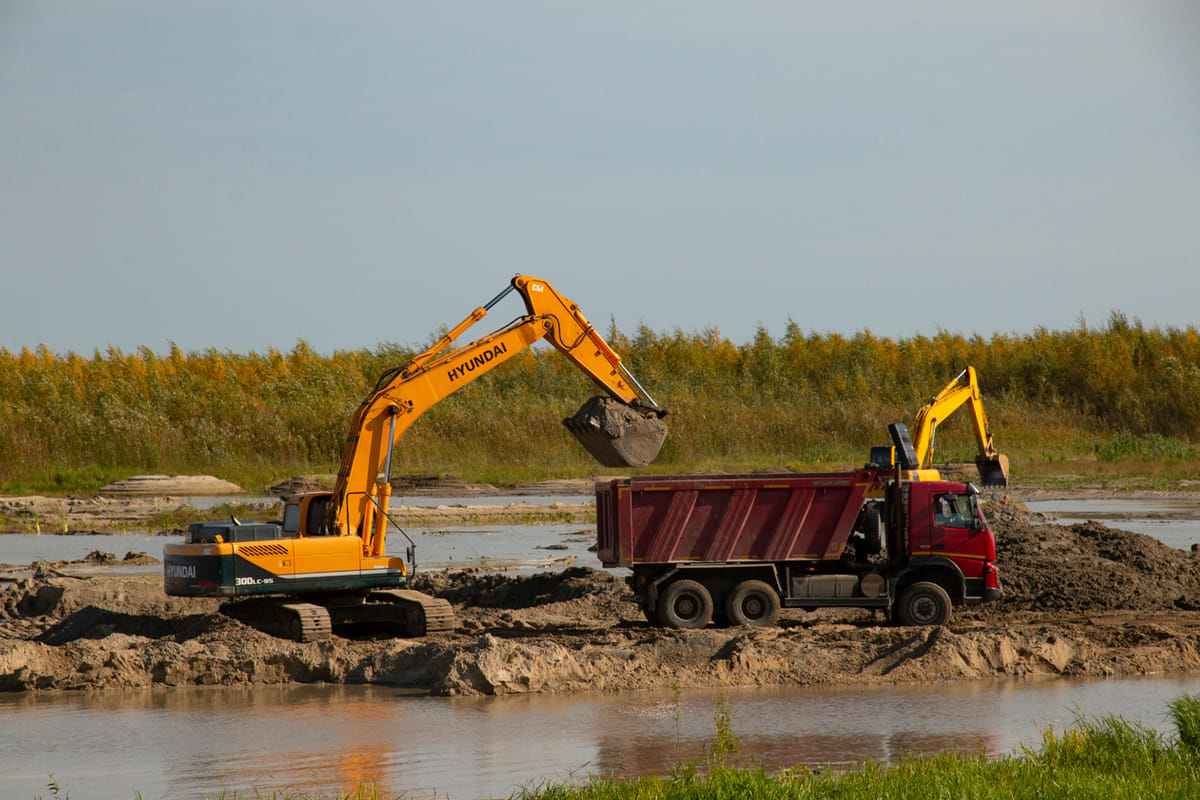
Types of Wetland Equipment Attachments and their Uses
Wet ground changes everything. A job that feels simple on dry soil can turn into a slow, messy puzzle once you add shallow water, soft peat, floating vegetation, and access that disappears after one storm.
That is why the right wetland equipment attachments matter as much as the machine itself. When you match the attachment to the conditions, you move faster, keep the site cleaner, and reduce the kind of strain that breaks pins, hoses, and schedules.

Why Attachments Matter More in Wet Work
Wetland projects rarely give you the luxury of perfect footing or wide open swing space, which means every movement needs to do real work instead of wasting time on repositioning. Attachments let you shape, cut, lift, pump, and place materials while the carrier stays as stable as possible, even when the ground wants to shift under load.
Attachments also protect your margins because they reduce rework. A bucket that grades cleanly, a cutter that leaves an even finish, or a grapple that controls awkward debris can save hours that would otherwise get burned on cleanup, material handling, and chasing a “good enough” result.
What Makes an Attachment Wetland-Ready?
A wetland-ready attachment is built for constant moisture, gritty sediment, and surprise impacts from submerged stumps or riprap. Better sealing, smarter hose routing, durable wear edges, and hardware that resists corrosion all matter, especially when the workday includes dunking and dragging through abrasive muck.
Design matters just as much as materials. In wetlands, you want attachments that shed mud instead of carrying it, that move volume without creating suction battles, and that keep the machine’s balance predictable when you are reaching over soft edges or working from mats.
Quick couplers turn attachment changes into a normal part of the workflow rather than a dreaded interruption. When operators can swap from a bucket to a grapple to a cutter in minutes, the machine stays productive instead of waiting on pins, hammers, and extra hands.
Couplers also support safer habits in wet areas where footing is poor and visibility can be limited by tall vegetation. A consistent coupling process, matched to the attachment style and pin dimensions, reduces the chance of misalignment or rushed hookups that lead to downtime later.
Buckets are still the foundation of most wetland work, although the “right bucket” shifts with the soil type, water content, and finish expectations. General-purpose buckets handle mixed digging and loading, which fits projects where you are moving from firm spots to softer pockets and want a single tool that does not feel fragile.
Mud and ditching buckets are built for volume and flow, which makes them ideal for shaping canals, pulling spoils, and widening ditches without fighting the suction that can stall narrow buckets. A wider profile spreads the load, cuts cleaner walls, and keeps the bucket from burying itself when the bottom turns to slurry.
Tilt buckets earn their keep when grades and slopes actually matter. A small tilt adjustment can shape a bank, trim a swale, or fine-tune drainage without repositioning the machine, which reduces track or pontoon movement and helps preserve the surrounding vegetation.
Cleanup buckets focus on smooth edges and controlled finishing rather than aggressive digging. They are useful when you are dressing spoil piles, leveling access routes, or restoring a work zone to a clean look that inspectors and landowners notice immediately.
Grading performance also improves when the bucket matches the machine’s reach and hydraulic response. The goal is predictable feathering, which helps operators maintain a consistent plane even when the base material is damp and wants to drag.
Skeleton buckets separate debris from soil in a single pass, which is valuable when you are pulling out roots, broken mats, or mixed vegetation while trying to keep as much native material on site as possible. The spacing determines whether you are screening fine sediment or keeping larger chunks, so choosing the right configuration changes the entire feel of the job.
This attachment shines during cleanup after clearing, erosion events, or storm damage, especially where disposal costs are high. Pulling out trash and woody debris while letting soil fall through can reduce hauling and speed up restoration.
Rakes excel at surface work, where the goal is to remove vegetation and loose material while leaving the underlying grade largely intact. In wetlands, that matters because over-digging can disrupt water flow, damage root structures you are trying to preserve, or create soft pockets that are harder to stabilize later.
Root rakes add strength and leverage for heavier clearing, including pulling shallow stumps, ripping up thick mats, and collecting tangled debris that would clog a standard bucket. The open design helps shed mud, which keeps the attachment from becoming a heavy, sticky block that wastes hydraulic effort.
A thumb changes a bucket from a digging tool into a handling tool, which is a big deal when you are grabbing logs, pulling brush bundles, or placing erosion control materials. In wet conditions, controlled handling is safer because it reduces swinging loads that can shift the machine’s balance.
Grapples provide dedicated clamping force and better visibility around the material, which helps when you are staging timber, loading debris, or placing mats. The right grapple style depends on whether you are handling long logs, loose brush, or mixed demolition material that needs a firm grip.
Brush cutters are built to take down thick growth quickly, which makes them useful for opening access, maintaining right-of-ways, and clearing overgrown edges where manual cutting would be slow and risky. In wetland work, a cutter can also reduce the need to push into unstable ground, since you can reach and cut rather than drive closer.
Mulchers go a step further by processing material into smaller pieces that settle into the surface layer, which can help with site management and reduce hauling. A mulcher is often the difference between “remove and dispose” and “process and move on,” especially when the goal is to reduce fuel load, control invasive growth, or prep for future work.
Hydraulic requirements matter here more than people expect. High-flow demands, heat management, and hose protection become critical in wet sites, because a single damaged line can end a day, and wet debris can hide hazards that would be obvious on dry ground.
Aquatic cutters focus on submerged and floating vegetation, which is common in canals, ponds, and marsh edges where plant growth restricts flow and access. These tools help restore water movement, reduce clogging around structures, and improve navigability without turning the bottom into a stirred-up mess.
A clean cut also supports better long-term results. When vegetation is trimmed evenly and removed or managed properly, you reduce the chance of rapid regrowth that comes from ripping and tearing plant mats into fragments that spread downstream.
Tree shears are designed for controlled removal, which reduces the chaos of pushing trees over in soft terrain. A clean grab and cut can limit ground disturbance, keep the work zone safer, and make it easier to stage material for hauling or processing.
Saws and cutting heads are useful when space is tight or when selective removal matters, such as along levees, banks, and utility corridors. In wetlands, the best approach often combines cutting with smart handling, because dropping material into water or thick vegetation creates time-consuming retrieval work.
Augers are ideal when the job calls for consistent holes, whether you are setting posts, installing signage, building small structures, or placing erosion control elements that require anchoring. Soft ground can collapse around a hole, so the right auger flighting and technique can make the difference between clean placement and a frustrating cycle of re-drilling.
Drilling attachments also support foundation work in areas where conventional equipment struggles to stay stable. When paired with the right carrier and access method, drilling becomes a predictable process rather than a gamble that depends on the weather.
Vibratory hammers help drive sheet piling, pipe, and other piling elements with less impact shock, which is useful near sensitive structures or where noise and vibration limits matter. In wetland applications, they are often part of building temporary or permanent access, stabilizing banks, or supporting marine construction.
Pile driving in soft ground is about control more than brute force. Proper alignment, steady force, and consistent placement help prevent lean, refusal, or premature wear on the attachment, which is why matching the hammer to the pile type and the ground conditions is critical.
This category also benefits from experienced setup and job planning. A small misstep in rigging, positioning, or sequencing can create a chain reaction of delays, especially when access is limited and moving the carrier is not easy.
Compaction wheels and tampers help densify material in conditions where the ground wants to pump and deform under load. In wetlands, compaction often supports access paths, berms, and restored grades where you need a surface that holds up under traffic and water movement.
Wet soil behaves differently than dry soil, so the goal is often to compact in lifts, manage moisture, and choose the right tool for the material type. A compaction wheel can knead and press material effectively, while a tamper can focus energy in tighter spots where you need firmness without excessive displacement.
Dredging attachments step in when buckets are inefficient, especially in deeper water, flowing channels, or projects where you need to move sediment over distance. Pump kits, suction heads, and dredge systems can relocate material to a spoil area or staging point without constant swinging and dumping.
This approach also helps control turbidity when used with good practices, because the process can be steadier than aggressive bucket work that churns the bottom. Better control supports environmental goals, helps with permitting expectations, and reduces downstream impacts that create complaints.
Dredging setups vary widely, so the best system depends on material type, distance, discharge method, and the desired end result. Sand, silt, peat, and organic muck all behave differently, which is why choosing components that match the job makes the work feel smooth rather than constantly clogged.
Clamshell buckets and specialty handling tools are useful when you need vertical control, precise placement, or efficient loading in tight quarters. A clamshell can scoop from below grade or handle loose material in a way that feels cleaner than a standard bucket in certain situations.
Handling tools also matter when the project involves placing riprap, setting structures, moving mats, or staging materials for crews working nearby. In wetlands, precise placement reduces the need to “fix it later,” which is important when later means fighting mud, water, and limited access all over again.
Sometimes the best attachment is more reach. Extensions and specialty sticks let you work farther from the machine, which is helpful when bank edges are unstable, water is deeper than expected, or you are trying to avoid driving into sensitive areas.
Extra reach also supports better staging. When you can place material exactly where it needs to go from a safer position, you reduce the number of repositioning moves that chew up time and increase the chance of getting stuck.
How to Build the Right Attachment Package for Your Site
A smart attachment package starts with the work type, then accounts for the soil, water depth, access method, and finish expectations. Clearing and restoration often call for rakes, grapples, and cutters, while shaping and drainage work leans toward ditching buckets and tilt buckets that can produce clean grades.
Hydraulics should guide the decision as much as the job description. Flow requirements, pressure limits, and heat management determine whether a mulcher will run smoothly or constantly fight the machine, and that same logic applies to hammers, pumps, and high-demand cutting heads.
Support matters too, especially in specialized environments. Wetland Equipment can help match attachments to the carrier, the site conditions, and the real-world workflow, which is usually where the best savings show up, because a well-matched setup reduces wear and helps crews stay productive.
Keep Attachments Reliable in Mud, Water, and Vegetation
Attachment life improves when maintenance is treated as part of the job, not an afterthought. Daily checks on pins, bushings, hose guards, and cutting edges catch the small problems that turn into expensive failures once grit and water get inside moving parts.
Cleaning practices also matter, since wet sediment hardens into concrete-like buildup. A consistent routine, paired with proper lubrication and careful inspection, keeps the attachment performing like it should, even when the work environment is constantly trying to grind it down.
Get the Right Setup From Wetland Equipment
The right attachment can turn a slow wetland project into a clean, predictable workflow, because the machine stays stable, the work stays controlled, and the crew spends more time producing results and less time wrestling the site. That is the real value of choosing attachments with purpose rather than collecting tools that do not fit the work.
Wetland Equipment helps contractors and land managers build attachment packages that match real conditions, from thick vegetation and soft peat to canal maintenance and dredging work, so you can show up prepared instead of improvising. Reach out to Wetland Equipment to talk through your site goals and get a setup that keeps your project moving from day one.
Disclaimer: your personal information will not be shared.
About Us
Products
Copyright© 2025 Wetland Equipment | All Rights Reserved